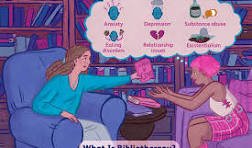

Bibliotherapy: Healing Your Mind with the Right Books
In an increasingly fast-paced world, mental well-being has become a paramount concern. While traditional therapy and medication play crucial roles, an age-old practice is gaining renewed recognition for its gentle yet profound impact: bibliotherapy. This innovative approach harnesses the power of literature to help individuals navigate emotional challenges, gain insights, and foster personal growth.
What is Bibliotherapy?
At its core, bibliotherapy is the guided use of reading as a therapeutic tool. It involves carefully selected books, stories, and poetry to facilitate healing and self-discovery. The term itself is a blend of “biblio” (meaning book) and “therapy” (meaning healing). This isn’t just about casual reading; it’s a structured process where individuals engage with narratives that resonate with their personal experiences, offering comfort, validation, and new perspectives.
How Does it Work?
The mechanism behind bibliotherapy is multifaceted. When we read, we often see aspects of ourselves reflected in characters and their struggles. This connection can lead to:
- Identification and Validation: Recognizing one’s own feelings and experiences in a character can be incredibly validating, reducing feelings of isolation and letting individuals know they are not alone in their struggles.
- Catharsis: Engaging with emotional narratives can provide a safe outlet for processing suppressed emotions, leading to a release of tension and stress.
- Insight and Problem-Solving: Stories can offer new ways of looking at problems, inspiring readers to consider different solutions or coping mechanisms.
- Emotional Literacy: Exploring a wide range of human emotions through literature can enhance empathy and improve an individual’s ability to understand and express their own feelings.
- Guidance and Support: Self-help books, a specific branch of bibliotherapy, can provide practical advice and strategies for managing specific conditions like anxiety or depression.
Types of Bibliotherapy
There are generally two main types of bibliotherapy:
- Clinical/Reactive Bibliotherapy: This form is typically facilitated by a trained therapist or counselor who recommends specific books based on a client’s therapeutic goals. The reading is often followed by discussions to process the material and apply insights to the client’s life.
- Developmental/Proactive Bibliotherapy: Often used in educational settings, this type focuses on promoting personal growth, character development, and general well-being. It can be implemented by educators, librarians, or parents to help individuals cope with normal life transitions and developmental challenges.
Choosing the Right Books
The effectiveness of bibliotherapy largely depends on selecting the appropriate literature. It’s not about reading just any book; it’s about finding narratives that:
- Address specific emotional or psychological issues.
- Feature relatable characters and situations.
- Offer hope, resilience, and constructive ways of coping.
- Are appropriate for the individual’s reading level and emotional maturity.
This often requires the guidance of a professional who can curate a reading list tailored to individual needs.
The Future of Healing Through Literature
As mental health awareness grows, so does the exploration of diverse therapeutic approaches. Bibliotherapy, with its accessibility and gentle nature, stands out as a powerful complementary tool. It reminds us that within the pages of a book, we can find not just stories, but mirrors to our souls, guides for our journeys, and pathways to profound healing.
So,
- chance. Sometimes the right book finds you.
- Be Open: Even genres you don’t usually read might surprise you with their wisdom.
Bibliotherapy is a therapeutic approach that uses the power of books to enhance mental health, provide solace, and foster personal growth. By connecting with the right literature, individuals can gain insights, process emotions, and find comfort in shared human experiences, making it a valuable tool for emotional and psychological healing.
What is Bibliotherapy?
Bibliotherapy is the practice of using books as a therapeutic tool to help individuals cope with life’s challenges, understand their emotions, and improve their mental well-being. It is grounded in the idea that words have the power to heal. Whether it’s a novel, a poem, or even a self-help guide, literature has a way of resonating with our innermost feelings, offering both understanding and perspective.
The concept is not new. Ancient Greeks had libraries with inscriptions that read, “A healing place for the soul.” Over time, the practice evolved, and now bibliotherapy is even employed by therapists and counselors to complement traditional treatments.
The Healing Powers of Books
Books are not just for learning; they are companions, teachers, and mirrors to our souls. Let’s explore how they can help:
1. Emotional Connection
When you read about a character facing struggles similar to your own, you feel less alone. Stories offer a sense of shared experience, reminding us that pain, joy, fear, and hope are universal emotions.
2. Insight and Perspective
Books can provide a new lens through which to view our problems. A memoir might show you how someone overcame adversity, while a philosophical text could help you question and understand life’s deeper meaning.
Stress Relief
Curling up with a good book is like wrapping yourself in a warm blanket. It transports you away from daily worries, reducing stress and promoting relaxation.
4. Growth and Learning
Through books, we learn about ourselves and the world. Whether it’s learning to cope with grief, navigating relationships, or building resilience, the lessons within their pages can empower us.
5. Improved Empathy
Reading fiction, especially, helps us step into others’ shoes. It broadens our understanding of different perspectives, making us more compassionate.
Types of Bibliotherapy
- Developmental Bibliotherapy Focuses on helping children and adolescents navigate developmental challenges like bullying, anxiety, or self-esteem issues through age-appropriate books.
- Clinical Bibliotherapy Used by therapists to support individuals dealing with mental health issues such as depression, anxiety, or trauma.
- Self-Help Bibliotherapy Involves selecting books on personal development, mindfulness, or specific challenges to aid in self-guided healing.
- Creative Bibliotherapy Utilizes novels, poetry, or creative works to inspire, comfort, and provoke reflection.
- How to Practice Bibliotherapy
- 1. Identify Your Needs
- Ask yourself: What are you struggling with? Anxiety, loss, self-doubt? This will help you choose the right type of book.
- 2. Choose the Right Book
- Books are like medicine; not every book works for every ailment. Here are some suggestions:
- For grief: “The Year of Magical Thinking” by Joan Didion
- For anxiety: “The Power of Now” by Eckhart Tolle
- For self-discovery: “Untamed” by Glennon Doyle
- 3. Create a Reading Ritual
- Set aside time daily to read. Choose a quiet, comfortable spot where you can immerse yourself without distractions.
- 4. Reflect and Journal
- After reading, jot down your thoughts. How did the book make you feel? Did it offer solutions or provoke new questions?
- 5. Discuss and Share
- Talk about the books with others. Join book clubs or therapy groups where bibliotherapy is practiced collaboratively.
- Recommended Genres for Healing
- Fiction: For escapism and empathy
- Memoirs: For inspiration and shared experiences
- Poetry: For emotional catharsis
- Self-Help: For practical strategies
- Philosophy: For deeper understanding
- Challenges in Bibliotherapy
- Overwhelm: With so many books available, choosing the right one can feel daunting. It’s okay to seek recommendations.
- Misinterpretation: Not every book’s message resonates with every reader. Give yourself permission to put a book aside if it’s not helping.
- Overdependence: While books are powerful, they’re not a substitute for professional help when needed.
- Bibliotherapy in Modern Times
- In today’s digital age, bibliotherapy has expanded beyond traditional books. Audiobooks, e-books, and even podcasts can serve the same purpose. Platforms like Goodreads or specialized bibliotherapy services can help you find books tailored to your needs.
- A Few Nuggets of Wisdom from Grandma
- Take Your Time: Healing is not a race. Savor each page and let the words sink in.
- Trust Your Instincts: If a book calls out to you, give it a
- chance. Sometimes the right book finds you.
- Be Open: Even genres you don’t usually read might surprise you with their wisdom.
- Q&A Section
- Ques 1: Can bibliotherapy replace traditional therapy?
- Ans: No, bibliotherapy is a complementary tool, not a replacement. It works best alongside traditional therapy, especially for serious mental health issues.
- Ques 2: How do I know if bibliotherapy is working for me?
- Ans: You might feel lighter, gain new insights, or find comfort in knowing you’re not alone. Journaling about your progress can also help.
- Ques 3: What if I don’t like reading?
- Ans: Try audiobooks or short stories. Even poetry can be a gentle introduction to the practice.
- Ques 4: Can children benefit from bibliotherapy?
- Ans: Absolutely! Age-appropriate stories can help children navigate emotions, understand their feelings, and develop coping skills.
- Ques 5: How do I find a bibliotherapist?
- Ans: Many licensed therapists incorporate bibliotherapy. You can also look for online directories or bibliotherapy-specific practitioners.

I don’t think the title of your article matches the content lol. Just kidding, mainly because I had some doubts after reading the article.
I want sell this site in 1 crore if Enybody interested they can buy I added many ebooks topic, graffic design, article in this website it can you you lots. Of earning in future and I also adede zazzle shopping centre so if Enybody interested you can contact me on this no 8447583214