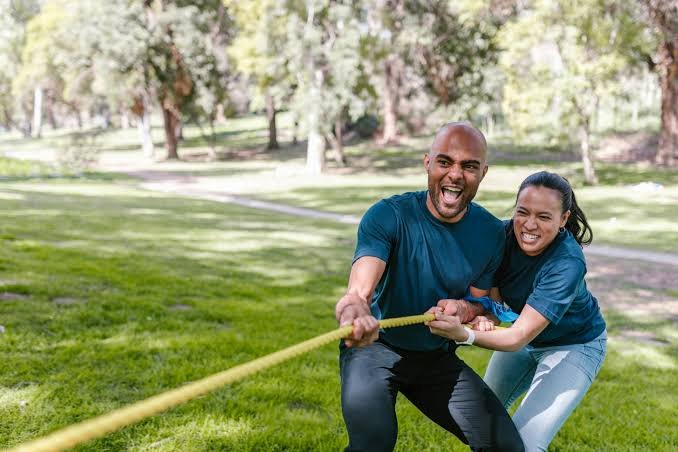
Play is crucial for adults as it can significantly improve mental and physical well-being by relieving stress, boosting creativity, enhancing social connections, improving cognitive function, and promoting overall happiness, essentially acting as a vital counterbalance to the demands of adult life.
Playing is just as important for adults as it is for children. Among its many benefits, adult play can boost your creativity, sharpen your sense of humor, and help you cope better with stress.
We all know that play is important for children. Kids need play to develop and we automatically add play time into their daily schedules. Research shows that play is critical for adults’ well-being too — but many of us don’t play enough anymore.
Anything you do recreationally that brings you joy or excitement counts as playing, whether it’s getting stuck into a video game, playing sports, collecting stamps, or writing short stories in your spare time.
Whatever style of play works for you, know that making time for it can have substantial benefits for your mental and physical well-being.
Key benefits of play for adults:
- Stress reduction:Engaging in playful activities releases endorphins, natural mood boosters that help alleviate stress and anxiety.
- Creativity enhancement:Play encourages imaginative thinking and problem-solving skills, which can spark new ideas and solutions in various aspects of life.
- Improved cognitive function:Playful activities, especially those involving learning new skills or strategies, can help maintain sharp memory and cognitive abilities.
- Social connection:Participating in group play or games fosters social bonds and strengthens relationships with others.
- Physical health benefits:Depending on the activity, play can provide physical exercise, improving cardiovascular health, flexibility, and overall fitness.
- Increased job satisfaction:Play can lead to a more positive outlook and renewed energy, potentially enhancing work performance and job satisfaction.
Examples of playful activities for adults:
- Outdoor activities: Hiking, biking, playing sports, gardening
- Creative pursuits: Painting, writing, dancing, playing music
- Board games and card games: Playing with friends and family
- Role-playing and improvisation: Engaging in imaginative scenarios
- Volunteering: Contributing to a cause while having fun and connecting with others
We often associate play with childhood, but it’s equally vital for adult well-being. Engaging in playful activities can reduce stress, boost creativity, improve relationships, and enhance overall quality of life. Reclaiming the joy of play allows us to reconnect with our inner child, embrace spontaneity, and experience the world with renewed enthusiasm. It’s not just about fun; it’s about fostering resilience and thriving.
Beyond Childhood Games: Redefining Play for Adults:
When we think of play, images of children laughing and running around often come to mind. But play for adults can take many forms. It’s not necessarily about structured games or competitive sports. It’s more about a mindset, a way of approaching the world with curiosity, spontaneity, and a sense of joy. Play can be found in a variety of activities, from pursuing hobbies and engaging in creative pursuits to simply spending time in nature or sharing a laugh with friends.
The Multifaceted Benefits of Adult Play:
The benefits of play for adults are far-reaching, impacting various aspects of our lives:
- Stress Reduction: Play is a natural stress reliever. Engaging in playful activities allows us to relax, unwind, and release tension. It provides a mental escape from the pressures of daily life, allowing us to recharge and return to our responsibilities with renewed energy.i
- Boosted Creativity: Play fosters creativity by encouraging us think outside the box, explore new ideas, and experiment without fear of judgment. It allows us to tap into our imagination and find innovative solutions to problems.
- Improved Relationships: Play can strengthen our relationships by creating shared experiences, fostering laughter, and promoting connection. Engaging in playful activities with others can deepen our bonds and create lasting memories.
- Enhanced Physical Health: While not all play involves physical activity, many playful activities do. Whether it’s dancing, hiking, or playing a sport, physical play can improve our cardiovascular health, strengthen our muscles, and boost our overall fitness.
- Increased Emotional Well-being: Play can have a profound impact on our emotional well-being. It can lift our spirits, reduce feelings of sadness or anxiety, and promote a sense of joy and contentment.
- Greater Resilience: Play helps us develop resilience by teaching us to adapt to change, embrace challenges, and bounce back from setbacks. It allows us to practice problem-solving skills and develop a more positive outlook on life.
- Reclaiming Play in a Busy World:
- In our fast-paced, goal-oriented society, it can be challenging to prioritize play. We often feel guilty about taking time for leisure activities, believing that we should be constantly productive. However, it’s important to recognize that play is not a waste of time; it’s an investment in our well-being. Here are some strategies for incorporating more play into your adult
- life:
- Schedule Play Time: Treat play time as a non-negotiable appointment in your calendar. Set aside specific times for activities you enjoy and stick to them.
- Embrace Spontaneity: Be open to spontaneous moments of play. If an opportunity arises to do something fun or playful, seize it!
- Pursue Hobbies: Engage in hobbies that bring you joy and allow you to express your creativity. This could be anything from painting and playing music to gardening and cooking.
- Connect with Your Inner Child: Tap into your childhood interests and revisit activities that you enjoyed as a child. This could be anything from playing board games to building with LEGOs.
- Spend Time in Nature: Nature provides endless opportunities for play. Go for a hike, explore a park, or simply relax in your backyard.
- Connect with Others: Engage in playful activities with friends, family, or your partner. This could be anything from playing games to going dancing.
- Find Joy in Everyday Activities: Bring a sense of playfulness to everyday tasks. This could involve listening to music while you cook or finding creative ways to solve problems at work.
- Play as a Source of Renewal:
- Play is not just about having fun; it’s about renewal. It allows us to recharge our batteries, reconnect with ourselves, and return to our responsibilities with a fresh perspective. It’s a way of nurturing our inner child and maintaining a sense of wonder and curiosity about the world.
- Play and the Pursuit of Happiness:
- Ultimately, play is an essential ingredient in a happy and fulfilling life. It allows us to experience joy, connection, and a sense of purpose. By embracing play, we can cultivate greater resilience, enhance our creativity, and live more fully in the present moment.
- Q1: I’m so busy. How can I possibly find time to play?
- Ans): Even short bursts of play can be beneficial. Schedule it like any other important appointment and start small.
- Q2: I feel silly playing as an adult. Is that normal?
- Ans): It’s common to feel self-conscious at first, but let go of those inhibitions. Embrace the joy and freedom of play.
- Q3: What are some examples of playful activities for adults?
- Ans): Hiking, dancing, painting, playing games, cooking, gardening, or simply spending time with loved ones.
- Q4: How can play benefit my mental health?
- Ans): It reduces stress, boosts creativity, improves mood, and enhances overall emotional well-being.
- Q5: Why is play important for adults?
- Ans): It enhances creativity, reduces stress, improves relationships, and contributes to a happier, healthier life. It’s not just for kids!
