
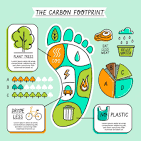
To create a sustainable lifestyle and reduce your environ
mental footprint, focus on practices like: conserving energy, minimizing waste through recycling and composting, choosing sustainable transportation options, opting for eco-friendly products, reducing food waste, and conserving water, all while making conscious choices in daily activities to lessen your impact on the planet.
Key areas to focus on:
- Energy Conservation:
- Use energy-efficient appliances
- Turn off lights and electronics when not in use
- Adjust thermostat settings
- Consider renewable energy sources like solar power
- Waste Reduction:
- Recycle properly
- Compost food scraps
- Avoid single-use plastics
- Buy products with minimal packaging
- Sustainable Transportation:
- Walk, bike, or use public transportation whenever possible
- Carpool when driving
- Consider electric vehicles
- Conscious Consumption:
- Water Conservation:
- Fix leaky faucets
- Take shorter showers
- Use water-efficient appliances
- Collect rainwater for gardening
- Food Choices:
- Reduce food waste by planning meals and storing food properly
- Eat less meat and prioritize plant-based options
- Buy organic produce when available
- Important Considerations:
- Calculate your carbon footprint: Understanding your individual impact helps identify areas for improvement.
- Educate yourself and others: Share knowledge about sustainable practices with friends and family.
- Support sustainable businesses: Choose companies with environmentally conscious policies
- Advocate for change: Get involved in local initiatives to promote sustainability
- 12 Ways to Live More Sustainably
- Every day we make choices in our lives that affect the environment, the climate and other species. From what we eat to how many children we decide to have, there’s a lot we can do to “choose wild” and reduce our environmental footprint to leave more room for wild animals and plants. Our individual actions matter — but we can’t do it alone. Share this page to inspire others and check out our action alerts for ways you can advocate for policy change.
- Think twice before shopping.
- Ditch plastic and switch to reuse.
- Take extinction off your plate.
- Simplify the holidays.
- Choose organic.
- Ditch fast fashion and animal-based textiles.
- Be water wise.
- Drive less, drive green.
- Green your home.
- Boycott products that endanger wildlife.
- Fight for the right to choose when and if to start a family.
- Take action. Use your voice.
Living sustainably is about making conscious choices that minimize our impact on the planet. It’s a journey, not a destination, involving small, everyday actions that collectively make a big difference. From reducing waste and conserving energy to supporting eco-friendly businesses and advocating for change, creating a sustainable lifestyle is a powerful way to protect our planet for future generations.This article will explore the importance of sustainable living, the various ways we can reduce our impact, and how even small changes can make a significant difference.
Understanding Our Impact:
Everything we do leaves a mark on the planet. Our “environmental footprint” encompasses the resources we consume and the waste we generate. Understanding the impact of our choices is the first step towards living more sustainably. This involves considering:
- Resource Consumption: How much water, energy, and raw materials do we use?
- Waste Generation: How much trash do we produce, and what happens to it?
- Carbon Emissions: How much greenhouse gas do we release into the atmosphere?
The Pillars of Sustainable Living:
Sustainable living is built on several key principles:
- Reducing Consumption: The less we consume, the less impact we have on the planet. This involves making conscious choices about what we buy and avoiding unnecessary purchases.
- Conserving Resources: Conserving water, energy, and other natural resources is essential for sustainable living.
- This involves adopting energy-efficient practices, reducing water usage, and using resources wisely.
- Minimizing Waste: Reducing waste is crucial for protecting our environment. This involves composting, recycling, and avoiding single-use plastics.
- Supporting Sustainable Practices: Supporting businesses and organizations that are committed to sustainability encourages environmentally responsible practices.
- Advocating for Change: Speaking up for environmental protection and advocating for sustainable policies can create systemic change.
- Practical Steps for a Sustainable Lifestyle:
- Creating a sustainable lifestyle is a journey of continuous improvement. Here are some practical steps we can all take:
- Reduce, Reuse, Recycle: This classic mantra is still relevant today. Reduce your consumption, reuse items whenever possible, and recycle whatever you can.
- Conserve Energy: Switch to energy-efficient light bulbs, unplug electronics when not in use, and consider renewable energy sources.
- Save Water: Take shorter showers, fix leaky faucets, and water your garden efficiently.
- Choose Sustainable Transportation: Walk, bike, or use public transportation whenever possible. Consider electric vehicles or carpooling.
- Eat Sustainably: Reduce your meat consumption, choose locally sourced food, and avoid food waste.
- Shop Consciously: Support businesses that are committed to sustainability. Choose products with minimal packaging and avoid single-use plastics.
- Compost: Composting food scraps and yard waste reduces the amount of trash going to landfills.
- Educate Yourself: Learn more about environmental issues and stay informed about sustainable practices.
- Advocate for Change: Speak up for environmental protection and support policies that promote sustainability.
- The Power of Collective Action:
- While individual actions are important, creating a truly sustainable future requires collective action. By working together, we can make a greater impact. This involves supporting environmental organizations, advocating for sustainable policies, and holding businesses accountable for their environmental practices.
- Sustainability and the Future:
- Creating a sustainable lifestyle is not just about protecting the planet for ourselves; it’s about ensuring a healthy and thriving planet for future generations. It’s a legacy we can leave behind, a gift we can give to those who come after us.
- Small Changes, Big Impact:
- It’s easy to feel overwhelmed by the scale of environmental challenges. But it’s important to remember that even small changes can make a big difference. Every time we choose to recycle, conserve energy, or support a sustainable business, we are contributing to a more sustainable future.
- The Journey Towards Sustainability:
- Creating a sustainable lifestyle is a journey, not a destination. It’s about making conscious choices every day and continuously striving to reduce our impact on the planet. It’s a journey of learning, adapting, and growing, a journey that ultimately leads to a healthier and more sustainable future for all.
- Q1: What are some easy ways to reduce my energy consumption at home?
- Ans): Switch to LED lights, unplug electronics when not in use, and use programmable thermostats.
- Q2: How can I reduce my food waste?
- Ans): Plan your meals, store food properly, and compost food scraps.
- Q3: Why is it important to support sustainable businesses?
- Ans): It encourages environmentally responsible practices and creates a market for sustainable products.
- Q4: What can I do to advocate for environmental change?
- Ans): Contact your elected officials, support environmental organizations, and educate others about sustainability.
- Q5: What if I feel overwhelmed by the idea of living sustainably?
- Ans): Start small! Focus on making one or two changes at a time. Every little bit helps.
