
How People Around the World Are Becoming Multipurpose in Style and Clothing Choices
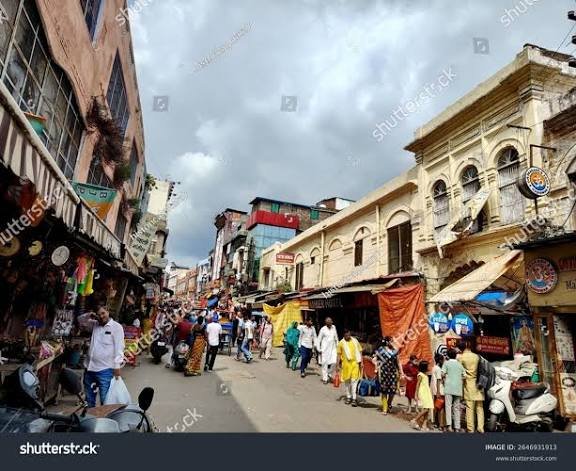
भारत लंबे समय से अंतरराष्ट्रीय पर्यटकों के लिए एक प्रमुख गंतव्य रहा है। प्राचीन आध्यात्मिक केंद्रों और रंगीन बाजारों से लेकर आलीशान मॉल और हस्तशिल्प बाजारों तक, विदेशी पर्यटक न केवल संस्कृति और इतिहास का पता लगाने आते हैं बल्कि और भी बहुत कुछ।
In this art
- Which Indian
- Which markets
- From which countries most tourist
- What they usually buy
- Whether they purchase spiritual jewelry like Rudraksha and gems
- Where they prefer to stay
- VIP
- Approximate tourism percentages and rush seasons
1. Why Foreign Tourists Love Indian Markets
India offers a unique shopping experience. Unlike many Western countries where malls dominate, India still has vibrant street markets, traditional bazaars, artisan villages, and temple-side stalls. Tourists enjoy:
- Handmade crafts
- Authentic cultural products
- Affordable pricing
- Bargaining culture
- Spiritual and traditional items
Indian markets are not just shopping places; they are cultural experiences.
2. Major Cities Foreign Tourists Prefer for Shopping
🕌 Delhi
Delhi
Delhi is one of the top entry points for foreign tourists.
Popular Markets:
- Connaught Place
- Chandni Chowk
- Dilli Haat
- Janpath Market
Tourists buy:
- Handicrafts
- Pashmina shawls
- Silver jewelry
- Spices
- Decorative items
Delhi is part of the famous “Golden Triangle” tourist circuit.
🏰 Jaipur
Jaipur
Jaipur is famous for gemstones and jewelry.
What Tourists Buy:
- Rashi gemstones (emerald, ruby, sapphire)
- Kundan and Meenakari jewelry
- Blue pottery
- Block-printed textiles
Jaipur attracts a large number of European tourists interested in gemstone shopping.
🕉️ Varanasi
Varanasi
Varanasi is one of the most spiritual cities in the world.
Tourists here often buy:
- Rudraksha beads
- Spiritual malas
- Brass idols
- Banarasi silk sarees
- Religious souvenirs
Many foreign visitors interested in yoga and meditation purchase spiritual items here.
🏖️ Goa
Goa
Goa attracts tourists mainly from Russia, Europe, and the UK.
Popular purchases:
- Beachwear
- Handcrafted jewelry
- Tibetan silver items
- Decorative items
🌊 Rishikesh
Rishikesh
Rishikesh is known as the Yoga Capital of the World.
Foreign tourists buy:
- Rudraksha malas
- Yoga clothes
- Spiritual books
- Healing crystals
Many long-term spiritual travelers stay here for weeks or months.
3. From Which Countries Do Most Tourists Come?
The majority of foreign tourists visiting India come from:
- United States
- United Kingdom
- Bangladesh
- Australia
- Canada
- Germany
- France
- Russia
According to government tourism data (pre-pandemic figures), India received around 10–11 million foreign tourist arrivals annually, and post-pandemic recovery is steadily increasing.
Peak seasons:
- October to March (winter season)
- Festival periods like Diwali and Holi
4. What Do Foreign Tourists Buy the Most?
1. Textiles and Clothing
- Sarees
- Shawls
- Cotton garments
- Handmade fabrics
2. Jewelry
- Silver jewelry
- Gemstones
- Traditional Indian designs
3. Spiritual Items
Yes, many foreign tourists purchase spiritual products such as:
- Rudraksha
- Karungali wood
- Zodiac gemstones (Pukhraj, Panna, Moti)
- Prayer beads and malas
- Brass statues of Hindu gods
Foreign visitors interested in yoga, astrology, and meditation are especially attracted to these items.
5. Do They Buy Spiritual Jewelry?
Yes, particularly tourists visiting:
- Rishikesh
- Varanasi
- Haridwar
- Bodh Gaya
Spiritual travelers often believe in:
- Energy healing
- Chakra balancing
- Meditation support
They purchase Rudraksha beads for protection and calmness. Gemstones are bought either for fashion or astrological belief.
However, many buyers treat them as cultural souvenirs rather than strictly religious objects.
6. Where Is the Highest Rush?
Major rush locations include:
- Agra (Taj Mahal area)
- Jaipur
- Delhi
- Varanasi
- Goa
The Golden Triangle (Delhi–Agra–Jaipur) sees the highest concentration of international visitors.
Approximately 35–40% of foreign tourists follow this route.
7. Where Do They Prefer to Stay?
Foreign tourists usually stay in:
Luxury Hotels
- Taj Hotels
- Oberoi Hotels
Boutique Heritage Hotels
- Rajasthan palace hotels
- Haveli-style accommodations
Spiritual Ashrams
- Rishikesh yoga ashrams
- Meditation retreats
Beach Resorts
- Goa beach properties
Budget travelers often choose:
- Guesthouses
- Hostels
- Homestays
8. VIP Facilities for Foreign Tourists
India provides several facilities:
- E-Visa system for easy entry
- Dedicated tourist police in major cities
- VIP darshan facilities in some temples
- Luxury travel packages
- Private guided tours
- 5-star accommodations
- Airport fast-track services
Some pilgrimage sites offer special darshan passes for quicker entry.
9. Percentage and Economic Contribution
Before COVID-19:
- Around 10–11 million foreign tourists annually
- Contributed significantly to GDP
- Shopping contributes a large share of foreign exchange earnings
Spiritual tourism alone forms a major segment of both domestic and foreign travel.
10. Why India’s Markets Are So Attractive
Foreign tourists are drawn to:
- Handmade authenticity
- Spiritual atmosphere
- Affordable luxury
- Rich culture
- Colorful experiences
Indian markets offer something unique: a blend of spirituality, tradition, craftsmanship, and human interaction.
Conclusion
Foreign tourists visit India not only for monuments and sightseeing but also for shopping experiences in vibrant markets. Cities like Delhi, Jaipur, Varanasi, Goa, and Rishikesh are top destinations. They purchase textiles, jewelry, handicrafts, and increasingly spiritual items like Rudraksha, gemstones, and malas.
The highest rush occurs during winter months and festival seasons. Tourists come mainly from the USA, UK, Europe, Russia, and neighboring Asian countries. Many prefer luxury hotels, heritage properties, or spiritual retreats depending on their travel purpose.
India’s rich culture, deep spirituality, and traditional craftsmanship continue to attract millions of visitors every year. Shopping here is not just a commercial activity—it is a cultural and emotional experience that connects visitors with India’s heritage and spiritual identity.
