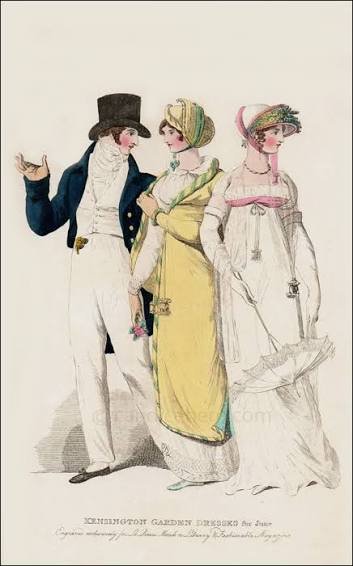

How People Around the World Are Becoming Multipurpose in Style and Clothing Choices
In today’s modern era, fashion has become global, flexible, and multipurpose. People are no longer limited to wearing traditional clothing from their own country. Instead, they mix and match styles from different cultures for daily wear, office use, parties, festival, and even formal events. Globalization, social media, travel, online shopping, celebrity influence, and. fashion weeks have transformed the way people dress.
Today, a person in Asia may wear European streetwear, someone in Europe may wear Indian ethnic attire for weddings, and. people in America may enjoy Japanese minimalist fashion. Clothing has become not just a necessity but a reflection of personality, lifestyle, and identity.
This article explores:
- Why people have become multipurpose in fashion
- Which types of clothing are most preferred globally
- Which country’s fashion is most famous
- What people wear daily versus at parties
- Which colors and fabrics are most used
- A balanced analysis of modern fashion
- proportions
1. The Rise of Multipurpose Fashion
In earlier times, clothing styles were mostly regional. Traditional outfits were worn daily, and western formal wear was limited to business or special events. However, today’s generation is highly influenced by global media platforms, international brands, and online marketplaces.
Reasons for multipurpose fashion trends:
- Social media exposure
- International travel
Cross-cultural marriages and events
Global brands expanding worldwide
Comfort-focused lifestyle
Hybrid work culture
People now choose clothing based on comfort, style, functionality, and occasions rather than nationality alone.
2. Most Preferred Clothing Styles Globally
Across the world, certain clothing categories dominate daily fashion trends.
A. Casual Wear (Most popular Worldwide)
Casual wear is the most preferred category globally.
Common items include:
- T-shirts
- Jeans
- Hoodies
- Sneakers
- Joggers
Countries like United States have strongly influenced global casual fashion. American streetwear culture, combined with sportswear brands, has made jeans and T-shirts universal clothing items.
Estimated proportion globally:
- Casuals wear: 50–60% of daily clothing use
People prefer casual clothing because it is:
- Comfortable
- Affordable
- Versatile
- Easy to style
B. Formal Wear
Formal clothing is widely worn in offices, corporate environments, and professional meetings.
Common formal attire:
- Suits
- Blazers
- Formal shirts
- Trousers
- Pencil skirts
European countries like Italy and France are famous for luxury formal fashion and tailored clothing.
Estimated proportion:
- Formal wear: 20–25% (varies by profession)
C. Athleisure Wear
Athleisure has become extremely popular in the last decade.
It includes:
- Leggings
- Sports bras
- Tracksuits
- Athletic sneakers
Athleisure combines comfort and fashion. People wear it not only for workouts but also for shopping, travel, and casual outings.
Estimated proportion:
- Athleisure: 15–20%
- D. Ethnic and Traditional Wear
- Traditional clothing remains important for cultural identity and festivals.
- For example:
- India – Saree, Kurta, Sherwani
- Japan – Kimono
- China – Qipao
- Scotland – Kilt
- Saudi Arabia – Thobe and Abaya
- Estimated daily usage:
- Traditional wear globally: 10–15% (higher during festivals and weddings)
3. Which Country’s Fashion Is Most Famous?
Several countries dominate global fashion influence.
France – Luxury and Elegance
France is considered the global fashion capital. Paris Fashion Week influences global trends. French fashion is known for elegance, minimalism, and luxury.
Italy – Tailoring and Craftsmanship
Italy is famous for suits, leather goods, and premium craftsmanship.
United States – Streetwear and Casual Culture
United States popularized jeans, sneakers, and urban fashion worldwide.
Japan – Minimalist and Street Fusion
Japan is known for innovative street fashion and clean minimalist aesthetics.
India – Ethnic and Wedding Fashion
India is globally admired for bridal couture, embroidery, silk fabrics, and vibrant colors.
4. What Do People Wear Daily vs. At Parties?
Daily Wear:
- Neutral-colored T-shirts
- Denim jeans
- Comfortable sneakers
- Cotton shirts
- Simple dresses
Daily wear prioritizes comfort and ease.
Party Wear:
For parties and celebrations, people prefer:
- Shiny fabrics
- Bold colors
- Designer dresses
High heels
Blazers or tuxedos
Ethnic outfits during cultural weddings
For example:
Indian weddings feature sarees and lehengas.
European parties often feature cocktail dresses and suits.
Beach parties favor light linen outfits.
Which Colors Are Most Used Globally?
Color trends change yearly, but certain
colors remain dominant.
Most Popular Everyday Colors:
- Black (25%)
- White (20%)
- Blue (15%)
- Grey (10%)
- Neutral tones (15%)
- Bright colors (15%)
Black is especially popular because it is versatile and elegant.
White is associated with simplicity and freshness.
Blue, especially denim blue, is universal due to jeans
6. Most Used Fabrics Worldwide
Fabric choice depends on climate, comfort, and occasion.
Cotton (40%)
- Most widely used
- Breathable
- Affordable
- Ideal for daily wear
Polyester and Blends (25%)
- Durable
- Wrinkle-resistant
- Used in sportswear
Denim (15%)
- Popular for jeans
- Casual and stylish
Silk (5–10%)
- Used in luxury and party wear
- Common in traditional clothing
Linen (5–10%)
- Preferred in warm climates
- Popular in beach fashion
Cotton remains the most dominant fabric globally due to comfort and affordability.
7. Why Do People Mix
Global Styles?
Modern consumers prefer:
- Versatility
- Comfort
- Unique identity
- Social media trends
- Celebrity inspiration
For example:
- A woman in Europe may wear an Indian-inspired embroidered jacket.
- A man in Asia may wear an Italian-cut suit.
- Young people worldwide wear American-style sneakers.
Fashion has become borderless.
8. Influence of Social Media and Celebrities
Instagram, TikTok, and fashion influencers play a major role in shaping clothing preferences.
Global fashion shows in Paris, Milan, New York, and Tokyo influence seasonal colors and designs.
Celebrities and movie stars significantly impact party and wedding fashion trends.
9. Regional Preferences
North America:
- Casual and athleisure dominate.
Europe:
- Mix of formal elegance and street style.
Asia:
- Blend of western casual and traditional clothing.
Middle East:
- Modest fashion combined with luxury brands.
Africa:
- Vibrant prints and colorful fabrics remain strong.
10.Comfort vs. Fashion
Modern consumers prioritize comfort almost as much as style.
Remote work culture increased:
- Demand for soft fabrics
- Stretch materials
- Relaxed fits
Tight and uncomfortable clothing is gradually being replaced by flexible and breathable options.
11. Sustainable Fashion Trend
Eco-conscious fashion is growing.
People now prefer:
- Organic cotton
- Recycled fabrics
- Sustainable brands
- Slow fashion over fast fashion
Environmental awareness is influencing buying decisions.
12. Balanced Global Proportion Summary
Approximate global fashion proportion:
- Casual wear: 55%
- Formal wear: 20%
- Athleisure: 15%
- Traditional/ethnic: 10%
- Color distribution:
- Neutral colors: 60%
- Bright colors: 25%
- Pastels: 15%
- Fabric distribution:
- Cotton: 40%
- Synthetic blends: 25%
- Denim: 15%
- Silk and luxury fabrics: 10%
- Linen and others: 10%
Conclusion
In today’s globalized world, fashion has become multipurpose and international. People are no longer limited to their own country’s clothing style. Casual wear dominates daily fashion worldwide, influenced heavily by the United States. France and Italy lead luxury and formal fashion, while India stands out in traditional and wedding attire. Japan contributes minimalist and innovative street fashion.
Black, white, and blue remain the most popular colors globally. Cotton is the most widely used fabric due to comfort and affordability. Athleisure is rapidly growing, and sustainable fashion is becoming more important.
Fashion today reflects freedom, personality, cultural exchange, and practicality. People mix styles from different countries to create unique identities. In modern times, clothing is not just about covering the body — it is about expressing who we are in a connected and global world.
