Harjod, also commonly spelled Hadjod or Harjor, is a well-known medicinal plant in India. Its scientific name is Cissus quadrangularis. In Ayurveda, it is traditionally associated with bone health, which is why it is also known as Asthisamharaka or the bone-healing plant.
Unlike many medicinal plants that grow as bushes or trees, Harjod is a climbing, succulent vine with distinctive four-sided green stems. Its stems are the most commonly used part in traditional preparations.
1. What Is the Harjod Plant?
Harjod is a perennial medicinal climber belonging to the grape family, Vitaceae. It grows for several years in suitable conditions and is known by different names across India.
Common names:
- Harjod, Hadjod or Harjor
- Asthisamharaka
- Veld grape
- Cissus quadrangularis (scientific name)
The plant is valued in traditional Indian medicine, especially for its association with bones, joints and physical recovery. Scientific studies have investigated its chemical compounds and possible effects on bone health, inflammation and other conditions, but the strength of evidence differs for each use.
2. What Does Harjod Look Like?
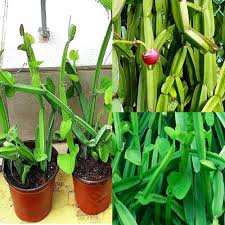
Harjod is easy to distinguish from many ordinary vines because of its unusual, thick, four-sided stems.
Cissus quadrangularis Hadjod whole medicinal vine plant”,”Cissus quadrangularis four angled succulent green stem close up”,”Cissus quadrangularis small leaves tendrils flowers botanical plant
Its main features are:
- Plant type: A climbing or spreading succulent vine.
- Stem: Green, fleshy and divided into segments, with four prominent edges or angles.
- Leaves: Usually small, simple leaves that may be heart-shaped or broadly oval. Leaf size and shape can vary.
- Flowers: Small flowers that grow in clusters and may be greenish, yellowish or reddish depending on their stage and growing conditions.
- Fruits: Small, rounded berries that change colour as they mature, commonly becoming reddish to dark purple.
- Roots: Fibrous roots that anchor the plant in the soil.
The stems are the most recognisable feature. The plant may climb over a fence, grow along a support or spread across nearby vegetation.
3. Where Is Harjod Found in India?
Harjod grows in tropical and subtropical regions. It is found in many parts of India and is also known in other countries across South Asia and tropical regions.
It can grow in:
- Warm gardens and home courtyards.
- Dry or seasonally dry areas.
- Fences, hedges and places where a climbing plant can spread.
- Fields and uncultivated land.
- Areas with well-drained soil and sufficient warmth.
Published botanical and medicinal reviews describe its occurrence in several Indian states, including parts of central, southern and eastern India. Its distribution is not limited to a single state.
4. What Are Its Stems, Leaves, Flowers, Fruits and Roots Used For?
A. Stem
The stem is the most important part of Harjod in many traditional preparations. It is thick, succulent and segmented.
Traditionally, the stem is:
- Dried and ground into powder.
- Processed into herbal extracts.
- Used in some traditional pastes and decoctions.
- Included in tablets, capsules and other herbal preparations.
Harjod’s traditional association with bone health is mainly connected with the use of its stem. However, it should not be used as a substitute for a medical examination, fracture immobilisation or other treatment prescribed by an orthopaedic professional.
B. Leaves
The leaves may be used in some regional traditional remedies and plant preparations. They contain plant compounds that have been studied for their potential biological activities.
Leaves are not as prominent as the stem in many commercial Harjod products. The plant part used depends on the particular formulation.
C. Flowers
Harjod produces small flowers in clusters. These are important for the plant’s reproduction, but they are not the main commercial medicinal ingredient in most commonly marketed Harjod products.
D. Fruits
The plant produces small berries containing seeds. Their main role is reproduction and the spread of the plant.
Harjod fruits should not automatically be treated as edible fruit like grapes. Their safety and suitability for eating depend on correct plant identification and reliable information about preparation. Avoid eating unidentified wild berries.
E. Roots
The roots are used in some traditional practices, although the stem is more commonly associated with Harjod’s medicinal use. The plant part and preparation should always be checked against a reliable formulation.
5. What Is Harjod Traditionally Used For?
1. Bone fractures and bone health
This is Harjod’s best-known traditional use. In Ayurveda, it is associated with supporting bone healing and is traditionally used in preparations for fractures and other bone-related complaints.
Modern research has examined whether extracts may influence bone formation, bone turnover and recovery. A systematic review of clinical trials reported some promising findings, but the overall evidence remains limited by the number and quality of studies. Harjod has not been established as a replacement for standard fracture treatment. <Cite refs={[“turn841875search1″,”turn841875search5”]}/>
2. Joint discomfort and inflammation
Traditional medicine uses Harjod for certain joint and musculoskeletal complaints. Researchers have investigated possible anti-inflammatory and pain-related effects.
The available findings are not enough to establish it as a proven treatment for arthritis, severe joint pain or other chronic conditions.
3. Digestive complaints
Some traditional preparations use Harjod for digestive discomfort, reduced appetite or constipation. It has also been investigated for possible effects on the stomach and digestive system.
However, evidence for treating digestive diseases in humans is not strong enough to recommend it as a replacement for established care.
4. Weight management and metabolic health
Harjod has appeared in some supplements marketed for weight management and metabolic health. Some clinical studies have examined combination products containing Cissus extracts.
5. Other traditional uses
Traditional records also mention Harjod for various complaints, including piles, stomach discomfort and inflammatory conditions. These uses vary across traditions, and research evidence is uneven.
A traditional claim is not the same as a clinically proven treatment. Persistent symptoms, unexplained pain, bleeding, fever or a suspected fracture need proper medical assessment.
6. Which Medicines and Products Are Made from Harjod?
Harjod is sold as a raw medicinal herb and as an ingredient in different herbal preparations.
| Product type | Typical use or purpose |
|---|---|
| Harjod powder | Dried and ground plant material used in traditional preparations |
| Harjod tablets | Measured herbal preparations marketed for bone or joint support |
| Harjod capsules | Powder or extract in capsule form |
| Herbal extract | Concentrated plant material used in supplements or formulations |
| Herbal juice or liquid preparation | A processed liquid product, depending on the manufacturer |
| Multi-herb Ayurvedic formulations | Harjod combined with other herbs according to a particular formula |
| Herbal research ingredients | Extracts used in laboratory and scientific investigations |
The actual ingredients, concentration and intended use vary from one product to another. Some products contain only Harjod, while others combine it with minerals or other herbs. Read the label carefully and choose products from manufacturers that provide clear ingredient and quality information.
Important: The word “Ayurvedic” or “natural” does not guarantee that a product is safe or effective for every person.
7. What Compounds Does Harjod Contain?
Scientific studies have reported several groups of plant compounds in Harjod, including:
- Flavonoids.
- Triterpenoids and phytosterols.
- Phenolic compounds and tannins.
- Various other plant chemicals, including compounds being investigated for possible effects on bone and inflammation.
Researchers study these constituents to understand how the plant might work. The composition of an extract can vary according to the plant part, growing conditions and manufacturing process.
Finding a compound in a plant does not prove that a supplement containing that plant will cure a disease. More high-quality human studies are needed for many proposed uses. <Cite refs={[“turn841875search5″,”turn841875search7”]}/>
8. How Is Harjod Grown?
Harjod can be cultivated in a home garden or grown as a medicinal plant, provided that the local climate and growing conditions are suitable.
Step 1: Select a healthy plant
Obtain a correctly identified Harjod plant from a reliable nursery or medicinal-plant supplier.
Step 2: Propagate through stem cuttings
Harjod is commonly propagated using stem cuttings. Choose a healthy, mature segment and plant it in suitable, well-drained growing medium. Allow the cutting to establish before handling it repeatedly.
Step 3: Choose suitable soil
Use soil that drains well. The plant can tolerate relatively dry conditions once established, but prolonged waterlogging can damage the roots.
Step 4: Provide warmth and sunlight
Harjod generally grows well in warm weather with plenty of light. In extremely hot conditions, protect young plants from severe drying.
Step 5: Provide support
Because Harjod is a climber, a fence, trellis or other support can help guide its growth. It may also spread along the ground if no support is available.
Step 6: Water carefully
Water during establishment and dry periods, but avoid keeping the soil continuously waterlogged. The exact watering schedule depends on temperature, rainfall and soil type.
Step 7: Harvest responsibly
For herbal processing, stems should be harvested from correctly identified, healthy plants. Commercial growers should follow suitable harvesting, cleaning, drying and storage standards.
Step 8: Dry and store the material properly
Dry the harvested plant material in clean conditions and protect it from dust, insects, moisture and mould. Herbal raw material intended for commercial use may require laboratory quality testing.
9. Can Harjod Be a Business or Farming Opportunity?
Harjod may be of interest to medicinal-plant growers, nurseries and herbal-product manufacturers.
Possible business activities include:
- Selling rooted plants and stem cuttings.
- Growing and supplying fresh stems.
- Supplying dried plant material to herbal manufacturers.
- Processing the stems into powder or extract through suitable facilities.
- Developing compliant herbal products through an appropriately qualified manufacturer.
Before investing, speak to potential buyers and check their requirements for plant identity, moisture, purity, pesticide residues, microbial contamination, packaging and supply volume.
There is no guaranteed profit. Returns depend on local demand, crop yield, labour, processing expenses, quality standards and the price a buyer is willing to pay. Do not plant a large commercial crop until you have confirmed that suitable buyers are available.
10. Safety Precautions
Although Harjod has a long history of traditional use, it can still cause unwanted effects or interact with medicines.
- Do not use it as the only treatment for a broken bone.
- Do not take high doses or concentrated extracts without professional advice.
- Consult a qualified healthcare professional before using it internally during pregnancy or breastfeeding, or if you have a chronic condition or take regular medicines.
- If you take medication for blood sugar or other metabolic conditions, ask your clinician or pharmacist about possible interactions.
- Stop using a product if you develop an allergic reaction or other concerning symptoms.
- Avoid homemade preparations made from unidentified plants or contaminated material.
A suspected fracture requires proper medical assessment and appropriate immobilisation. A supplement cannot reliably ensure that a bone heals correctly.
Conclusion
Harjod (Cissus quadrangularis) is a distinctive medicinal vine with thick, four-sided green stems, small leaves, clustered flowers and small berries. It grows in warm regions, including many parts of India, and is especially well known in Ayurveda for its traditional association with bone health.
Its stems are used in powders, tablets, capsules, extracts and multi-herb formulations. It has also been studied for joint discomfort, inflammation and metabolic health, but the evidence varies and many proposed benefits require further research.
For anyone interested in growing Harjod, the most important steps are correct plant identification, suitable growing conditions, clean processing and finding reliable buyers. Its traditional value is worth understanding, while its limits as a medicine should also be respected.