

1. What Is Bidari Kand?
Bidari Kand, more commonly written as Vidarikand or Vidari Kand, is the underground tuber of a climbing plant known scientifically as Pueraria tuberosa. It belongs to the legume family, Fabaceae.
The plant is known in traditional Indian medicine, particularly Ayurveda. Its large underground tuber stores nutrients and is traditionally valued for nourishing and strengthening preparations.
The plant is a climber rather than a tree. Its stems can spread across the ground or climb over shrubs and trees. The tuber develops beneath the soil and may become quite large as the plant matures.
Important: Local plant names can vary between regions. Before buying or using a wild tuber, confirm that it is actually Pueraria tuberosa. Different plants may be sold under similar names.
2. What Does the Bidari Kand Plant Look Like?
The plant has several identifying features:
- Plant type: A perennial climbing vine.
- Stems: Long, spreading or climbing stems that can become woody with age.
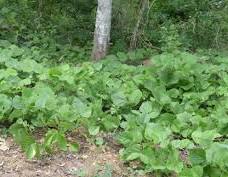
- Leaves: Usually compound leaves made up of three broad leaflets.
- Flowers: Clusters of pea-like flowers, commonly purple or bluish-purple.
- Fruit: A legume pod containing seeds.
- Roots and tubers: Thick underground tubers that store nutrients and are the principal medicinal part used in many traditional preparations.
The leaves are quite different from those of a typical tree. Each leaf is divided into three leaflets, giving the plant a distinctive appearance.
The tuber grows below the surface, so it is not visible when the vine is growing above ground. Its size and shape depend on the age of the plant, soil and growing conditions.
3. Where Is Bidari Kand Found in India?
Pueraria tuberosa is native to the Indian subcontinent and grows in suitable tropical and subtropical environments.
It may be found in:
- Forests and forest margins.
- Scrubland and open woodland.
- Shrubby areas and places where climbing plants can spread.
- Fields and uncultivated land near natural vegetation.
- Areas with sufficient seasonal moisture and suitable soil.
The plant is recorded in different parts of India, but its abundance varies by location. It should not be assumed that every region has enough naturally growing plants for commercial harvesting.
For identification and regional distribution, the Indian medicinal-plant databases maintained by botanical institutions are useful resources.
4. What Is the Underground Tuber Used For?
The tuber is the most important part of Vidarikand in traditional medicine.
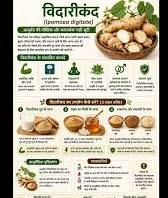
After the plant is correctly identified, the tuber may be cleaned and processed for use in traditional preparations. Depending on the formulation, it may be dried, powdered or made into an extract.
Traditionally, Vidarikand is associated with:
- Nourishing and restorative preparations.
- Supporting general strength and wellbeing.
- Traditional preparations for reproductive health.
- Formulations intended to support recovery and nutrition.
- Certain preparations for urinary and digestive complaints.
These are traditional uses rather than proof that the tuber cures the conditions mentioned. Strong clinical evidence for many of these claims remains limited.
5. What Are the Leaves, Flowers, Stems and Seeds Used For?
Leaves
The three-part leaves are important for identifying the plant and helping it produce energy through photosynthesis. Some traditional practices may use other parts of the plant, but the underground tuber is the part most commonly associated with Vidarikand.
Flowers
The plant produces clusters of pea-like flowers. These help the plant reproduce and are useful for botanical identification. They are not the main ingredient in most Vidarikand products.
Stems
The long stems allow the plant to climb and spread. They can become woody as the plant matures.
Fruit and seeds
The plant produces pods containing seeds. These contribute to reproduction, although propagation methods may vary depending on the growing conditions.
Underground tuber
The tuber stores nutrients and is the principal part harvested for many traditional herbal products. Harvesting it generally means digging up part or all of the underground structure, so commercial cultivation needs a plan for replanting and sustainable production.
6. What Diseases Is Vidarikand Traditionally Used For?
A. General weakness and nutritional support
In Ayurveda, Vidarikand is traditionally regarded as a nourishing herb and is included in preparations intended to support strength and recovery.
However, it is not a substitute for a balanced diet or medical evaluation when weakness is persistent. Anaemia, thyroid disorders, infections and other conditions may require specific treatment.
B. Reproductive health
Some traditional formulations use Vidarikand in preparations associated with reproductive health and vitality.
This traditional reputation does not establish that the plant treats infertility, erectile dysfunction, hormonal disorders or other reproductive diseases. People experiencing these problems should seek appropriate medical advice rather than relying on a herbal supplement alone.
C. Urinary health
Certain traditional uses associate Vidarikand with urinary wellbeing. Reliable human evidence is insufficient to establish it as a treatment for urinary infections, kidney disease or other urinary disorders.
Pain during urination, blood in urine, fever or difficulty passing urine needs medical assessment.
D. Digestive health
Vidarikand appears in traditional preparations associated with digestion and nourishment. Nevertheless, evidence that it treats specific digestive diseases in humans remains limited.
Persistent diarrhoea, severe abdominal pain, vomiting or unexplained weight loss should not be managed solely with herbal products.
E. Other traditional uses
Traditional systems may include Vidarikand in restorative or multi-herb preparations for various health complaints. The intended use depends on the particular formulation.
Scientific caution: A plant’s traditional use and laboratory research are not the same as proof of clinical effectiveness. Vidarikand should not replace prescribed treatment for a diagnosed disease.
7. Which Medicines and Products Are Made from Vidarikand?
Vidarikand is used as an ingredient in traditional herbal preparations and is sold in several forms.
| Product | How it is used |
|---|---|
| Vidarikand powder | Dried and ground tuber used in traditional formulations |
| Herbal capsules | Powder or extract placed in capsules |
| Herbal tablets | Formulated products containing Vidarikand, sometimes alongside other ingredients |
| Herbal extracts | Processed extracts used by supplement manufacturers |
| Ayurvedic compound preparations | Formulations combining Vidarikand with other herbs |
| Traditional nourishing preparations | Products intended for restorative use according to traditional practice |
The exact ingredients, concentration and intended use depend on the manufacturer and formulation. A product that contains Vidarikand may also contain other herbs, sweeteners or additional ingredients.
Always check the full label and consult a qualified healthcare professional before using it medicinally, especially if you take regular medicines or have a chronic illness.
8. What Natural Compounds Does Vidarikand Contain?
Researchers have investigated the plant’s chemical constituents, including:
- Isoflavones and related plant compounds.
- Other flavonoids.
- Starch and other stored nutrients in the tuber.
- Additional compounds that may vary with plant part and processing.
These substances are of interest in botanical and pharmacological research. Their presence does not prove that a Vidarikand supplement will cure a particular illness.
The composition of the final product can also change according to the plant’s growing conditions, the part used and the method of extraction.
9. How Is Vidarikand Cultivated?
Vidarikand can be grown as a medicinal climber, but commercial cultivation requires patience because the valuable tuber develops underground.
Step 1: Identify the plant correctly
Obtain planting material from a reliable nursery or medicinal-plant supplier. Confirm the botanical identity before investing in a crop.
Step 2: Choose suitable land
Select land with sufficient space for the vine to spread and soil that allows the underground tuber to develop. Avoid sites where water remains stagnant for long periods.
Step 3: Prepare the soil
Loosen the soil and incorporate suitable organic matter where needed. Deep, workable soil can help underground growth, although the best conditions depend on the local environment.
Step 4: Plant suitable material
Propagation may be done using seeds or appropriate planting material, depending on the method recommended by a knowledgeable grower. Use healthy material and follow locally appropriate planting guidance.
Step 5: Provide support
Because the plant climbs, a trellis, fence or suitable support may help manage its growth. In natural settings, it may climb nearby shrubs and trees.
Step 6: Manage moisture and weeds
Provide moisture during establishment and dry periods, while avoiding prolonged waterlogging. Control competing weeds so that young plants can establish properly.
Step 7: Allow the tuber to develop
The underground tuber needs time to grow. The correct harvest age depends on the variety, local conditions and the buyer’s quality requirements. Do not assume that a large tuber will develop in only a few months.
Step 8: Harvest and process responsibly
Digging the tuber can damage or kill the plant. Commercial growers should plan harvesting and replanting carefully, and should dry and store the harvested material in clean conditions.
10. Can Vidarikand Be a Farming or Business Opportunity?
Vidarikand may be of interest to medicinal-plant growers, herbal raw-material suppliers and Ayurvedic product manufacturers.
Possible business activities include:
- Growing and selling authenticated planting material.
- Supplying fresh or dried tubers to herbal manufacturers.
- Processing tubers into powder through suitable facilities.
- Supplying quality-tested raw material for herbal formulations.
- Developing products through a properly licensed manufacturer.
Before planting on a large scale, speak to potential buyers and confirm the required botanical identity, quality specifications, expected volume and purchase price.
Profit is not guaranteed. The crop may take time to mature, and harvesting, cleaning, drying, transport and quality testing all add costs. Wild harvesting can also put natural populations under pressure, so cultivation and sustainable sourcing are important.
11. Safety Precautions
- Do not eat an unidentified wild tuber.
- Do not assume that a traditional remedy is safe at every dose.
- Seek professional advice before taking Vidarikand internally during pregnancy or breastfeeding, or if you have a chronic illness or use regular medicines.
- Avoid using it as a substitute for prescribed treatment.
- Purchase products from reliable manufacturers with clear ingredient labels and quality information.
A qualified Ayurvedic practitioner or healthcare professional can help assess whether a particular product is appropriate for your circumstances.
Conclusion
Bidari Kand, commonly known as Vidarikand, is the underground tuber of the climbing plant Pueraria tuberosa. The plant has three-part leaves, clusters of pea-like flowers, seed-bearing pods and a substantial underground tuber.
In Ayurveda, the tuber is traditionally valued in nourishing and restorative preparations and is used in some multi-herb products. It is available in forms such as powder, capsules, tablets and extracts, but its benefits for specific diseases have not all been established by strong clinical evidence.
For anyone interested in cultivation or business, correct identification, sustainable harvesting, quality control and confirmed buyers are essential.