…
Chhath Puja: History, Religious Beliefs, 36-Hour Fasting, Sun Worship, Traditional Rituals and Its Growing Popularity in Modern India


Introduction: Why Is Chhath Puja So Special?
India celebrates many religious festivals throughout the year, but Chhath Puja holds a special place in the hearts of millions of people. It is particularly popular in Bihar, Jharkhand, eastern Uttar Pradesh and parts of Nepal. Today, people living in Delhi, Noida, Mumbai, Kolkata and other metropolitan cities also celebrate it with great devotion.
Chhath Puja is dedicated to Surya Dev (the Sun God) and Chhathi Maiya (Shashthi Devi). Devotees pray for the health, happiness, long life and prosperity of their children and families.
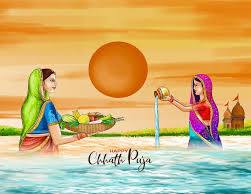
One of the most remarkable features of this festival is that devotees worship both the setting Sun and the rising Sun. They offer water, fruits and traditional food while standing in rivers, ponds or other water bodies.
The festival is also an example of how religion and nature are connected in Indian culture. The Sun provides energy, water supports life, and plants and fruits provide food. Chhath Puja reminds people to express gratitude for these gifts.
Unlike some other festivals, Chhath does not require expensive idols or elaborate decorations. Cleanliness, discipline, traditional food, devotion and family participation are its most important elements.
1. What Is Chhath Puja and Why Do People Observe It?
Chhath is a traditional Hindu festival in which devotees worship the Sun God and Chhathi Maiya.
People traditionally observe the fast for several reasons:
- For the good health and long life of their children.
- For happiness and prosperity in their families.
- For the well-being of husbands, wives, parents and relatives.
- To express gratitude to the Sun, water and nature.
- To fulfil religious vows and family traditions.
- To seek blessings during difficult periods of life.
Women have traditionally observed this fast in large numbers, but men also participate. It is not a festival exclusively meant for women.
An important point is that people do not all observe Chhath for exactly the same reason. Some follow an old family tradition, some make a religious promise, and others participate because of their personal faith.
2. Which Gods Are Worshipped During Chhath Puja?


Surya Dev: Surya is worshipped as the source of light, warmth and energy. In Hindu religious traditions, he represents life, health and vitality.
The Sun is also essential for agriculture. Plants need sunlight for photosynthesis, and agricultural production depends on natural conditions such as sunlight, water and soil.
Chhathi Maiya: Chhathi Maiya is associated with Shashthi Devi, who is traditionally worshipped as a protector of children and families.
In popular regional beliefs, Chhathi Maiya is regarded as the sister of Surya Dev.
During Chhath Puja, devotees offer prayers to both and seek blessings for their families.
3. What Is the History of Chhath Puja? Where Did It Originate?

Chhath Puja is particularly associated with the Middle Gangetic Plains, especially Bihar and eastern Uttar Pradesh. It is also deeply rooted in the traditions of Jharkhand and neighbouring Nepal.
Its exact beginning is not known. There is no universally accepted historical record identifying one person, village or year as the founder of Chhath Puja.
However, its history is connected with three important traditions:
- Ancient Sun worship in Indian religious literature.
- Agricultural communities expressing gratitude for sunlight, water and harvests.
- Religious stories associated with the Ramayana and Mahabharata.
An interesting feature is that Chhath is not simply a temple-based festival. Its rituals are performed in direct contact with natural elements such as sunlight and water.
The use of seasonal fruits, rice, sugarcane, bamboo baskets and traditional food also reflects the agricultural culture of the region.
According to research and cultural discussions, the festival preserves several traditional practices associated with farming communities. However, it would be incorrect to claim that archaeologists have established its exact prehistoric starting date.
Allahabad Academic Press Journals+2
4. Religious Stories Connected with Chhath Puja
There are several stories associated with Chhath. These stories have been passed from generation to generation through religious texts, folk songs and family traditions.
Story of Karna in the Mahabharata

Karna was the son of Kunti and Surya Dev. He was known for his bravery, generosity and dedication.
According to the Mahabharata, Karna worshipped his father, Surya Dev, and offered prayers to him.
Popular traditions connect his Sun worship with the rituals of Chhath Puja. However, Karna is not historically established as the founder of the festival.
Story of Draupadi and the Pandavas

Another popular story connects Chhath with Draupadi.
During the Pandavas’ difficult period of exile, Draupadi is believed in traditional accounts to have prayed to Surya Dev for help and protection.
The story represents faith, patience and hope during difficult circumstances.
Story of Lord Rama and Goddess Sita

Some regional traditions say that Lord Rama and Goddess Sita worshipped Surya Dev after returning to Ayodhya from their exile.
According to these accounts, they performed religious rituals and offered prayers for peace and well-being.
Another regional belief associates Goddess Sita’s Chhath observance with Munger in Bihar.
These accounts are important in popular religious tradition, although different communities narrate them differently.
Sahapedia+1
5. Why Is Chhath Puja Celebrated for Four Days?
Chhath Puja is a four-day festival. Each day has its own name, importance and religious procedure.


The 2026 festival dates are:
| Day | Date | Ritual |
|---|---|---|
| First | 13 November | Nahay Khay |
| Second | 14 November | Kharna |
| Third | 15 November | Sandhya Arghya |
| Fourth | 16 November | Usha Arghya and Parana |
These dates are based on the 2026 festival calendar.
Incredible India+2
Day One: Nahay Khay
The first day begins with cleaning the house and kitchen.
The devotee takes a bath, wears clean clothes and prepares a traditional meal.
Common foods include rice, chana dal and bottle gourd (lauki).
The food is prepared with special attention to cleanliness.
Day Two: Kharna
On the second day, the devotee observes a fast throughout the day.
In the evening, after prayers, the devotee prepares jaggery kheer and roti.
After offering the food, the devotee eats the prasad.
This is the meal after which the strict fast begins.
Day Three: Sandhya Arghya
The third day is one of the most important parts of the festival.
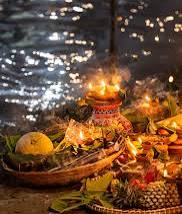
Families prepare bamboo baskets filled with fruits, thekua, sugarcane and other offerings.
In the evening, devotees gather at rivers, ponds and specially arranged ghats.
They stand in the water and offer Arghya to the setting Sun.
This ritual is known as Sandhya Arghya.
Day Four: Usha Arghya

On the final morning, devotees reach the riverbank before sunrise.
They wait for the first rays of the Sun and offer Arghya to Surya Dev.
After completing the prayers, they break their fast. This is known as Parana.
Prasad is distributed among relatives, neighbours and other devotees.
6. How Long Do People Fast During Chhath Puja?
One of the most discussed aspects of Chhath is its strict fasting tradition.
The complete observance lasts four days, but the strict Nirjala fast is generally around 36 hours.
Here is how the fasting process works:
- On Nahay Khay, the devotee takes a traditional meal.
- On Kharna, the devotee fasts during the day and eats the evening prasad.
- After Kharna, the strict fast begins.
- The devotee avoids food and water during the approximately 36-hour period.
- The fast ends after offering Arghya to the rising Sun on the fourth day.
Not every family follows exactly the same practice. Some people observe a less strict fast according to their health and family customs.
It is important to understand that a Nirjala fast can be physically demanding. Pregnant women, elderly people and those with medical conditions should not undertake prolonged fasting without medical advice. Faith should never require someone to risk their health.
7. What Materials Are Needed for Chhath Puja?


Traditional materials include:
| Item | Purpose |
|---|---|
| Bamboo soop | Arranging offerings |
| Bamboo daura | Carrying puja materials |
| Coconut | Religious offering |
| Banana | Fruit offering |
| Sugarcane | Offering and Kosi ritual |
| Thekua | Traditional prasad |
| Rice | Kheer and food preparation |
| Jaggery | Traditional sweets |
| Milk | Kheer preparation |
| Seasonal fruits | Offering to Surya Dev |
| Ginger and lemon | Regional offerings |
| Flowers | Decoration and worship |
| Earthen diyas | Lighting |
| Turmeric | Traditional puja material |
| Clean cloth | Covering and arranging offerings |
The materials can differ according to regional and family traditions.
Special Foods Prepared During Chhath


Thekua: A popular sweet made using wheat flour, jaggery or sugar and ghee.
Kharna Kheer: Rice pudding generally prepared using milk and jaggery.
Kasar: A traditional preparation made using rice flour and jaggery.
Seasonal fruits: Bananas, coconuts, sweet potatoes and other fruits are included in the offerings.
Many households prepare these items at home using separate, clean utensils and traditional cooking methods.
Bihar Tourism+1
8. What Is Kosi Bharna?

Kosi Bharna is a special ritual observed in many Chhath families.
People arrange sugarcane sticks to make a small canopy-like structure. Earthen lamps are placed underneath, and offerings are arranged in baskets.
Some devotees perform this ritual after the fulfilment of a wish or as a prayer for the health and happiness of their children.
It is a beautiful part of regional Chhath traditions.
9. Which Temples Are Famous for Sun Worship?


Several historic temples are dedicated to Surya Dev.
- Deo Sun Temple: One of the most important Sun temples in Bihar. It attracts many devotees during Chhath.
- Konark Sun Temple: A famous historic temple dedicated to Surya Dev.
- Modhera Sun Temple: Known for its remarkable architecture and sacred water tank.
- Martand Sun Temple: An important historical Sun temple.
However, devotees do not need to visit a temple to observe Chhath. The main rituals are performed near water bodies, where people can offer prayers to the Sun.
10. What Preparations Do Families Make Before the Festival?
Preparations usually begin several days before Chhath.
Families clean their houses, kitchens and courtyards. Some people also clean nearby roads, ponds and riverbanks.
They purchase bamboo baskets, fruits, sugarcane, jaggery, rice, wheat flour and other ingredients.
Women and other family members prepare thekua and arrange the offerings.
In cities, community organisations and government departments prepare temporary ghats, arrange lighting, drinking water, medical facilities and crowd management.
One special feature of Chhath is that people from the neighbourhood often work together. They help one another with food preparation, cleaning and arrangements.
11. The Vvaan: Sidharth Malhotra’s Film and Chhath Puja


Recently, Chhath Puja has also received attention through Hindi cinema.
The film The Vvaan: Force of the Forest features Sidharth Malhotra and Tamannaah Bhatia.
The film was scheduled for theatrical release on 25 September 2026, according to its promotional material.
One of its important cultural elements is a devotional song titled Chhathi Maiya.
The song features Tamannaah and brings the traditions of Chhath into the film’s story.
Tamannaah has spoken about studying the festival and understanding its importance before performing the sequence. The song is sung and composed by Vishal Mishra, with lyrics by Kaushal Kishore.
The film’s presentation connects Chhath with its wider folklore and supernatural storyline.
It is worth remembering that films sometimes change or simplify rituals for dramatic effect. Therefore, a movie should not be treated as a complete guide to the actual religious procedure.
Nevertheless, bringing Chhath Puja into a mainstream Hindi film can help audiences from different regions understand this important cultural tradition.
Bollywood Hungama+2
12. Has the Number of Chhath Devotees Decreased Compared with Earlier Generations?
This is an important question, especially because many people feel that religious traditions were followed more strictly in earlier times.
Some families may have fewer people observing the complete fast today. Younger generations often have jobs, education, business responsibilities and different lifestyles.
Some people participate in the prayers but do not undertake the 36-hour Nirjala fast.
However, it would be wrong to conclude that Chhath Puja has generally lost its popularity.
There are several reasons to believe that its public presence has expanded:
- People from Bihar and eastern Uttar Pradesh have taken the festival to cities across India.
- Large-scale celebrations take place in Delhi, Mumbai, Kolkata and other cities.
- Indian communities abroad also organise Chhath celebrations.
- Local authorities increasingly make special arrangements at public ghats.
- Television, social media and cinema have introduced the festival to wider audiences.
The important distinction is between the number of people celebrating Chhath and the number of people observing the complete strict fast.
There is no reliable nationwide historical census comparing the number of people who observed Chhath 30 or 50 years ago with the number today. Therefore, claims that the number of devotees has definitely increased or decreased by a particular percentage should be avoided.
It is possible for strict fasting to decline in some families while overall participation in public celebrations increases.
13. Why Is Chhath Puja Important for Nature and Society?

Chhath Puja is not only about religious rituals. It also offers important lessons for society.
Respect for nature: The Sun, water, fruits and plants are central to the celebration. They remind us that life depends on natural resources.
Respect for family: Families come together to prepare food, arrange offerings and support the person observing the fast.
Respect for women: Women have traditionally played a major role in preserving and passing on Chhath traditions.
Discipline and cleanliness: The festival encourages people to maintain cleanliness in their homes and surroundings.
Community participation: People from different economic backgrounds work together to organise celebrations.
Environmental protection: Bamboo baskets, earthen lamps and natural offerings can reduce the need for artificial decorations. Devotees should also avoid plastic waste and pollution in rivers and ponds.
14. Health and Safety During Chhath Fasting
A strict fast without water for approximately 36 hours can be difficult for the human body.
Dehydration, dizziness, weakness and low blood pressure can become serious concerns.
People with diabetes, heart or kidney problems, pregnant women and elderly people should consult a medical professional before attempting strict fasting.
Children should never be pressured into undertaking a demanding fast.
Devotion is a personal matter, and different families may follow different practices. Good health and safety should always remain important.
15. Conclusion: Chhath Puja Is a Celebration of Faith, Gratitude and Tradition
Chhath Puja represents an important part of India’s religious and cultural heritage.
Its connection with Surya Dev, Chhathi Maiya, rivers, agricultural products and family traditions makes it different from many other festivals.
Although its exact historical origin is uncertain, its customs have been preserved through generations.
Today, people celebrate it not only in Bihar and eastern Uttar Pradesh but also in major Indian cities and abroad.
The festival reminds us to respect nature, care for our families, maintain cleanliness and express gratitude for the resources that make life possible.
Whether someone observes the complete fast or participates by helping with the arrangements, the spirit of Chhath is rooted in devotion, responsibility and togetherness.
The rising Sun teaches us about new beginnings, while the setting Sun reminds us that every stage of life deserves respect. This is one of the most beautiful messages of Chhath Puja.
Suggested SEO details for publication
SEO title: Chhath Puja 2026: History, 36-Hour Fast, Rituals, Significance and Sun Worship
Meta description: Discover the history of Chhath Puja, its four-day rituals, Surya Dev and Chhathi Maiya worship, fasting rules, traditional prasad, famous temples and modern celebrations.
Suggested keywords: Chhath Puja 2026, Chhath Puja history, Chhathi Maiya, Surya Dev, 36-hour Chhath fast, Nahay Khay, Kharna, Sandhya Arghya, Usha Arghya, The Vvaan movie.
Suggested URL: mycirclehub2030.com/chhath-puja-history-rituals-fasting-significance/
Research sources: