
Health Benefits of Curd, Uses And Its Side Effects
Health Benefits of Eating Curd/Dahi in Your Diet
-
Improved Digestion:Curd is a great source of probiotics, which are beneficial bacteria that help maintain a healthy gut flora, aiding digestion and preventing digestive issues like bloating and constipation.
-
Enhanced Immunity:The probiotics in curd also play a crucial role in boosting the immune system by fighting off harmful bacteria and pathogens in the gut.
-
Blood Sugar Regulation:Curd, especially unsweetened and homemade varieties, can help regulate blood sugar levels, making it beneficial for individuals with diabetes.
-
Weight Management:Curd’s high protein content can promote feelings of fullness, potentially reducing overall calorie intake and aiding in weight management.
-
Heart Health:Curd can help lower blood pressure and cholesterol levels, thus reducing the risk of heart disease.
-
Strong Bones and Teeth:Curd is rich in calcium and phosphorus, essential minerals for building and maintaining strong bones and teeth, reducing the risk of osteoporosis and fractures.
-
Skin and Hair Health:Curd can be used topically to moisturize and exfoliate the skin, and its nutrients can also contribute to healthier hair.
-
Stress and Anxiety Reduction:Improved gut health through curd consumption may positively impact mental well-being, potentially reducing stress and anxiety.
-
Digestive Issues:Individuals with lactose intolerance may experience bloating, gas, or diarrhea from consuming curd, especially if it’s full-fat or consumed in large quantities.
-
Weight Gain:Consuming sweetened or high-fat curd regularly in large portions can contribute to weight gain.
-
Respiratory Issues:Curd’s cooling properties may worsen mucus production, potentially aggravating conditions like sinusitis or asthma, especially when consumed at night or in cold weather.
-
Increased Joint Pain:Some individuals with arthritis may experience increased joint pain with regular curd consumption.
Instruction
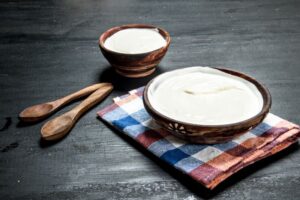
Curd is a popular food in many cultures. It has a calming, nourishing, and cooling effect, and can be eaten on its own or combined with many dishes. Curd is known for its versatility and ability to enhance the taste of gravies, curries, marinades, salads, and smoothies with its creamy texture.
Description
In addition to its culinary value, curd is also considered a nutritional powerhouse. It contains many essential vitamins and minerals that are good for the body. Keep reading to learn more about the health benefits of curd and why it should be a part of your daily diet.
What is Curd/Dahi?
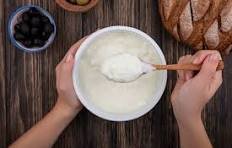
Curd, also known as dahi, is cherished for its tangy flavour and creamy texture. It offers a satisfyingly refreshing consistency produced by fermenting milk with lactic acid bacteria. Its versatility allows it to be enjoyed plain, as a base for dips and sauces, or incorporated into a wide range of sweet and savoury dishes, making it a staple in many culinary traditions worldwide.
Is Curd Good for Health?
Curd is beneficial for health as it contains probiotics that support digestion and gut health. It’s a good source of protein, calcium, and vitamins, which aid in bone health and weight management. To maximise the benefits of dahi, choose plain, unsweetened curd.
Nutrition Value of Curd
Take a look at the nutrition in curd.
Nutrition is shown here as per serving basis:
The nutritional value here is per 100 grams of plain curd that is made out of whole milk.
- Calories – 61
- Carbohydrates – 4.7 grams
- Protein – 3.5 grams
- Fat – 3.3 grams
- Fibre – none
Benefits of Curd for Health
Here are some of the benefits of curd that you can get when you start consuming it on a regular basis:
1. Great to boost your overall immunity
- One of the biggest benefits of having curd on a regular basis is that it can strengthen your immunity and give it a boost.
- Curd contains live active cultures that can help to fight off the various germs that could otherwise make you ill.
- Improving your immunity will help fight regular coughs and colds as well as any other health concerns.
-
Improves your digestion
- Curd is a type of probiotic milk product.
- The term probiotic here means that curd contains live microorganisms which, when used in the required amount can help add a lot of health benefits to the host. The host here is the final product, which is curd, which, when consumed, can have a positive impact on your health, especially your digestive health.
- This is one of the reasons why you can have a plate of Dahi rice on days when you feel bloated, have a stomach ache, or have loose motions, and it can help you get better naturally.
3. Helps strengthen bones and teeth
- Curd is naturally a very rich source of calcium.
- Curd also contains a very high amount of phosphorus.
- Both calcium and phosphorus will help to strengthen your teeth as well as bones.
- This is good for the entire family, from young children who are still developing their bones and teeth, as well as adults and seniors who want to keep their teeth and bones healthy and strong.
- Regularly eating curd can prevent the onset of osteoporosis, especially in women and senior members of the family.
- 4Can help keep your blood pressure in check
- Curd also contains a high amount of magnesium.
- Magnesium is a key component when it comes to controlling your blood pressure levels and keeping them within a healthy range.
- Magnesium can help the blood vessels to relax, which helps your blood pressure levels too.
- 5. May prevent vaginal infections
-
- For those who regularly experience urinary tract infections or other infections in the vaginal area, adding curd to your diet could be a natural way of reducing and preventing the same.
- Including curd in your diet can inhibit the growth of yeast that could otherwise lead to yeast infection.
- Curd contains lactobacillus bacteria.
- This can help to restore the balance of yeast in the vaginal area.
12 Benefits of Eating Curd Daily in Your Diet
Curd is rich in vitamin B2, vitamin B12, calcium, magnesium and potassium. It is not only good for one’s health but is also a great moisturiser for the skin. Here are a few impressive health benefits of curd.
1. Strengthens Your Immune System
Curd has many active bacteria, which help it fight disease-causing germs. It is also filled with protein, vitamins, and lactobacillus, which boosts immunity. Curd also contains probiotics, which keep one’s gut healthy. However, before buying curd, one should look for ‘live active culture’ on the label to purchase only curd with probiotics.
2. Supports Healthy Digestion
Curd is easy to digest, and even lactose-intolerant people can consume it. The lactose breaks down during the fermentation process. It also contains beneficial bacteria, which can help soothe an individual’s inflamed digestive system and treat an upset stomach.
3. Help Promotes Glowing and Healthy Skin
Curds are an excellent ingredient for face packs. They contain lactic acid, which acts as an exfoliator and helps shed dead skin cells. Curds can also moisturise skin and heal dry skin naturally. Consuming curd regularly can add glow and shine to one’s skin and hair.
4. Good for Heart Health
Another advantage of eating curd daily is that it helps reduce cholesterol levels, lowering hypertension and the risk of high blood pressure. By balancing cholesterol levels, it keeps the heart healthy and lively.
5. Prevents Vaginal Infections
Curd has a good bacterial culture, which is important for a healthy vagina. It helps to balance out the vaginal PH and improves its health. It consists of lactobacillus that restores the yeast balance in the vagina. Additionally, it helps to control the growth of infections in one’s body and produces a chemical called hydrogen peroxide that aids in killing the yeast.
6. Help Improves Bone and Teeth Health
Regular consumption of yoghurt provides the body with a substantial amount of calcium, strengthening bones and teeth and preventing the development of arthritis and other bone-related issues.
7. Aids in Weight Loss
Consumption of curd can trigger less production of cortisol and help reduce weight due to it being rich in calcium. Due to an imbalanced lifestyle and imbalance in the hormone known as cortisol, the waistline accumulates more fat. Curd controls the production of cortisol. It also provides the feeling of fullness for a long time, thereby reducing calorie intake.
8. Provides Energy
Curd also serves as an energy booster since it is rich in vitamins and minerals. It serves as an excellent pre- and post-workout session. Moreover, it also works as an antioxidant and aids in fast recovery after an intense workout session.
9. Controls Blood Sugar Levels
Blood sugar levels are controlled by easily digestible protein and live yoghurt culture in curd. Greek yoghurt is especially known for reducing the risk of heart disease and controlling blood sugar in people with diabetes.
10. Enhances Muscle Health
Curd’s high protein content aids in muscle repair and growth, making it an ideal dietary addition for those engaged in physical activities or strength training. Additionally, the amino acids found in curd help maintain muscle mass.
11. Supports Brain Function
Curd contains essential nutrients like vitamin B12, which play a crucial role in maintaining brain health and cognitive function. Regular consumption of curd may help improve memory and concentration, which can be beneficial for individuals.
12. Promotes Dental Health
The calcium and phosphorus in curd contribute to dental health by strengthening tooth enamel and preventing tooth decay. Incorporating curd into your everyday diet can help maintain oral hygiene and reduce the risk of dental problems.
How to Include Curd in Your Daily Diet?
Now that people are aware of the benefits of eating curd, they must learn how to include it in their regular diets. Here are a few ways to do so:
- Refreshing Buttermilk: Curd strengthens your immune system, individuals can enjoy the cooling relief of homemade buttermilk or lassi, which is particularly refreshing during hot summers. This healthy beverage helps beat the heat and aid digestion.
- Delicious Curd Rice: Curd rice, a popular dish in South India, offers a delightful blend of flavours and textures. Individuals can create a satisfying and nutritious meal that satisfies both the palate and the stomach by combining rice with curd and a mix of spices such as red chillies, salt, rye seeds, and curry leaves.
- Healthy Curd Sandwiches: Curd’s creamy texture and tangy flavour make it a perfect spread for sandwiches. By incorporating various vegetables and curd into sandwich fillings, individuals can create delicious and nutritious snacks or meals that are both satisfying and wholesome.
- Refreshing Curd Raita: Curd serves as the base for raita, a versatile side dish that pairs well with a variety of main course dishes such as parathas and biriyani. With the addition of fresh vegetables, herbs, and spices, raita adds a burst of flavour and freshness to any meal.
- Street-style Dahi Chaat: Dahi chaat, a popular street food in India, offers a tantalising combination of flavours and textures. Made with curd, crispy snacks, and a medley of chutneys and spices, dahi chaat provides a delightful culinary experience that is both satisfying and indulgent.
- Curd Parfait: Layering curd with granola, nuts, seeds, and fruits creates a delicious and nutritious parfait that serves as a wholesome breakfast or snack option. This simple yet versatile recipe can be customised to suit one’s taste preferences and dietary restrictions.
- Curd Smoothies: Blend curd with fruits, vegetables, and a dash of honey or maple syrup to create creamy and nutritious smoothies. These smoothies are perfect for a quick and energising breakfast or post-workout snack.
- Curd Salad Dressing: Mix curd with herbs, spices, and a squeeze of lemon or vinegar to create a creamy and tangy salad dressing that adds flavour and nutrition to your favourite salads. Conversely, the veggies add a dose of vitamins and minerals to the Curd salad
- Simple and Nutritious: Curd can be eaten on its own as a light and healthy snack or meal or added to certain dishes. Fresh fruit and a bowl of curd combine to create a filling and healthy dessert or snack. Curd also adds richness and depth to a variety of dishes by acting as a natural thickening agent in gravies and curries.
- Different Ways to Include Curd in Your Diet
- Eating curd can provide you with several health benefits if you include it in your diet. To get the most out of curd, here are some ways to eat curd, along with the best timing for maximum benefits:
- As a Standalone Snack: Curd is an easy and nutritious snack. Its tangy flavour and creamy texture can help stave off hunger between meals.
- With Breakfast: Adding curd to your breakfast is a great option. It is a protein-packed and creamy addition that energises and satisfies until lunchtime.
- As a Side Dish: Curd is a great side dish that adds flavour, texture, and nutrition to your meals. It can be served as a raita alongside curries, promoting digestion and gut health.
- Post-Workout: Curd is a great post-workout snack as it’s high in protein, which helps repair muscle tissues, and natural sugars provide energy to refuel and recharge.
- Before Bed: Eating curd before bed can induce peaceful sleep. Its protein content provides sustained energy and promotes satiety, while its probiotic qualities support gut health.
Curd is a versatile and nutritious addition to any diet, best consumed according to individual preferences and dietary needs. Experiment with different ways of consuming it to find what works best for you and enjoy the numerous dahi benefits.
-
Side Effects of Overeating Curd
Overindulging in curd can cause discomfort, especially for those with lactose intolerance. It is also high in calories and fat, which can lead to weight gain if consumed in excess. Here are the side effects of eating curd every day, as follows:
- Digestive Discomfort: Eating too much curd can cause the digestive tract to become overworked, which can cause gas, bloating, and discomfort in the abdomen.
- Weight Gain: If it is not balanced with a healthy diet and regular exercise, overeating curd can lead to weight gain due to its high calorie and fat content and increase the risk of joint pain.
- Symptoms of lactose intolerance: After consuming a lot of curd, people with lactose intolerance may have digestive problems like diarrhoea, bloating, and cramping in their abdomens.
- Disturbance of Gut Flora: Consuming excessive amounts of curd can upset the delicate balance of gut flora, which may affect general gut health as well as digestive issues.
- Possible Allergic Reactions: People who are allergic to dairy products may occasionally experience allergic reactions when consuming curd. These reactions can cause symptoms like hives, skin rashes, or breathing problems.
-
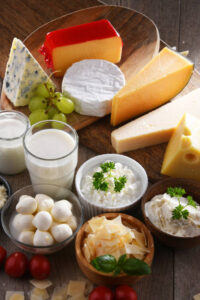
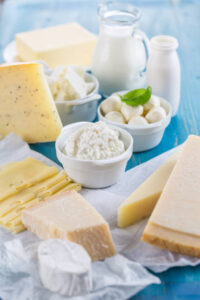
A variety of dairy products including cheese, milk and yogurt.
While curd can be a nutritious addition to one’s diet when consumed in moderation, it is essential to be mindful of portion sizes and individual tolerance levels. This can help to avoid potential side effects.
Consulting with a healthcare professional or nutritionist can help determine the appropriate amount of curd consumption based on individual dietary needs and health status.
Who Should Avoid Eating Curd?
There are many dahi benefits, but they may not suit everyone. Obese people should limit their intake, while those with arthritis may experience joint pain. They should consider alternatives or moderate their intake for optimal health.
- Individuals with Lactose Intolerance: Curd contains lactose, a sugar found in dairy. Lactose intolerant people lack the enzyme lactase required to digest lactose. Eating curd can cause digestive discomfort in those with lactose intolerance.
- People with Dairy Allergies: Some people are allergic to dairy products, including curd. Allergic reactions can range from mild discomfort to severe symptoms like hives, swelling, or difficulty breathing.
- Those Prone to Acid Reflux or GERD: Curd’s acidity may worsen acid reflux symptoms or GERD in some people by irritating the oesophagus, causing heartburn or regurgitation.
- Individuals Susceptible to Respiratory Issues: Dairy products like curd can cause increased mucus production and worsen respiratory symptoms in people with conditions such as asthma or COPD.
- People with Specific Dietary Restrictions: Vegans and those on plant-based diets avoid curd because it’s derived from animals. They can opt for other sources of probiotics and nutrients found in fermented plant-based products or supplements.
- Those with Specific Health Conditions: Curd may worsen symptoms or disrupt gut health in people with certain health conditions like autoimmune disorders or inflammatory bowel diseases.
When deciding whether or not to include curd in their diet, people should take into account their tolerance levels, health, and dietary preferences.
Curd is a nutritious food that offers a range of health benefits. It is high in protein, calcium, and vitamins, which help with immunity, digestion, and skin health. Curd benefits also promote weight loss, heart health, and blood sugar regulation.
Conclusion
However, it should be consumed in moderation, especially by those with lactose intolerance, dairy allergies, acid reflux, or other respiratory disorders.
[WPSM_AC id=4420]
