

The Importance of Utensils in Human Life
How Clean and Beautiful Dishes Influence Health, Positivity, and Daily Living
Utensils (burten) play a very important role in human life. Every day, we eat, drink, cook, and serve food using different types of vessels. Though they may seem like ordinary objects, the type, cleanliness, and condition of utensils can affect our health, mood, and even our sense of positivity.
Clean and Beautiful Utensils Bring Positive Vibes
When we eat food in clean, shiny, and attractive utensils, it naturally creates a pleasant feeling. A well-presented meal in beautiful dishes:
- Improves appetite
- Creates a positive mindset
- Shows respect for food
- Makes guests feel welcomed
On the other hand, eating in dirty or broken utensils can reduce enjoyment and may even feel uncomfortable. Cleanliness reflects discipline and self-care.
Different Types of Utensils and Their Importance
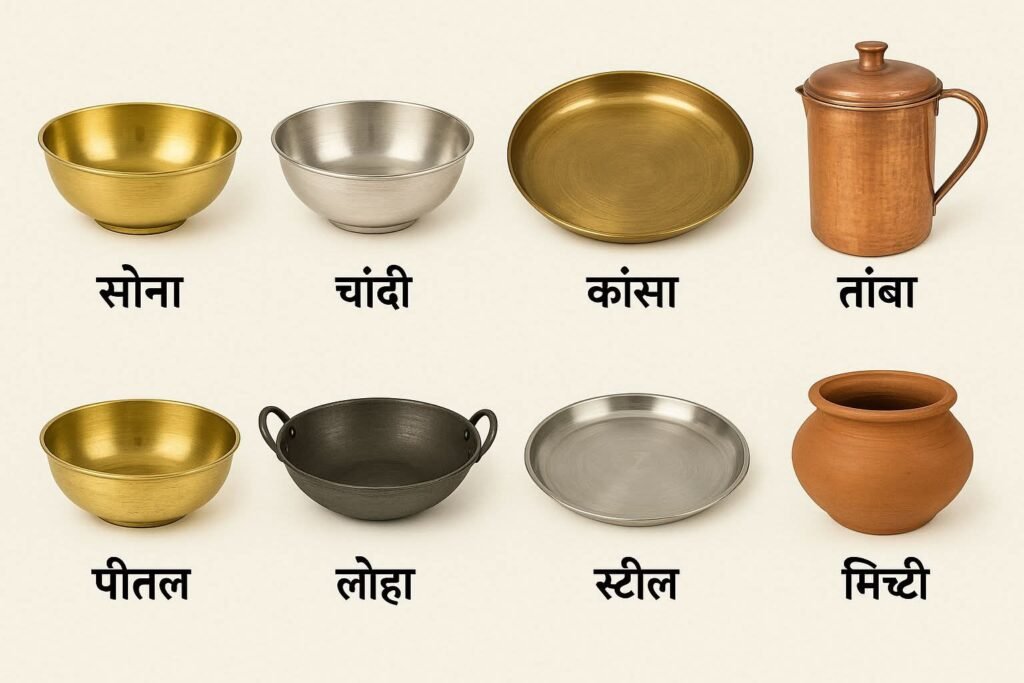
Today, utensils come in many materials and designs. Each type has its own benefits and challenges.
1. Stone Utensils
Some people prefer stone vessels for traditional cooking. They are believed to enhance taste and maintain natural flavors. However:
- They are heavy.
- They are difficult to clean.
- They can crack if not handled carefully.
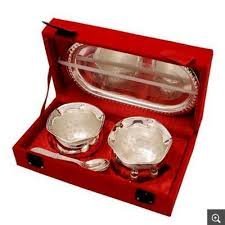
2. Gold and Silver Utensils
In ancient times, royal families used gold and silver utensils. Even today, some people use them for special occasions or religious offerings.
- They are considered pure and auspicious.
- Silver has natural antibacterial properties.
- They require special cleaning methods.
- They are expensive and delicate.
3. Brass (Pital) Utensils
Brass utensils are traditional and still used in many households.
- They are durable.
- They need special cleaning powders.
- If not maintained properly, they can lose shine.
4. Glass Utensils
Glass plates and cups look elegant and modern.
- They are attractive and stylish.
- They are fragile and can break easily.
- They require careful handling.
5. Plastic Utensils
Plastic utensils are lightweight and affordable.
- Easy to carry.
- Not always safe for hot food.
- May release harmful chemicals over time.
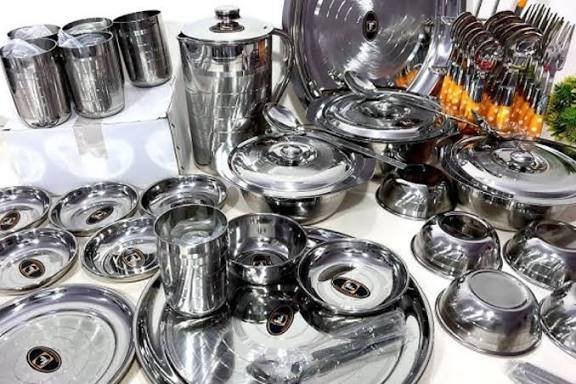
6. Steel Utensils
Stainless steel utensils are among the most commonly used today.
- Easy to clean.
- Affordable and long-lasting.
- Safe for cooking and eating.
- Do not react with most foods.
Because of these advantages, steel utensils are widely preferred for daily use.
The Importance of Cleaning and Maintenance
No matter which material you choose, cleanliness is essential. Different utensils require different cleaning methods:
- Stone needs gentle scrubbing.
- Brass and silver need special polish or cleaning agents.
- Glass requires careful washing to avoid cracks.
- Steel can be cleaned easily with regular dish soap.
Proper maintenance ensures hygiene and long life of utensils.
Health and Hygiene Connection
Using clean utensils prevents infections and food contamination. Poorly maintained dishes can carry bacteria, which may affect health. Therefore:
- Wash utensils properly after every meal.
- Dry them completely to avoid moisture buildup.
- Avoid using cracked or damaged vessels.
Healthy eating is not only about nutritious food but also about clean serving.
Emotional and Cultural Value
Utensils also have cultural and emotional value. In many traditions:
- Special utensils are used for serving food to guests.
- Beautiful vessels are reserved for offering food to deities.
- Families pass down traditional utensils as heritage items.
This shows that utensils are not just tools; they are part of culture and daily rituals.
Conclusion
Utensils are an essential part of human life. Clean, beautiful, and well-maintained dishes create positivity and enhance the eating experience. Different materials like stone, silver, brass, glass, plastic, and steel each have their own advantages and limitations.
Among them, stainless steel is widely preferred for daily use because it is safe, affordable, and easy to clean. However, whatever type of utensil one chooses, hygiene and care are most important.
In the end, respecting food also means respecting the vessels in which it is prepared and served. A clean utensil reflects a clean lifestyle — and that brings both health and positivity into life.