


Keeping Animals at Home: Benefits, Risks

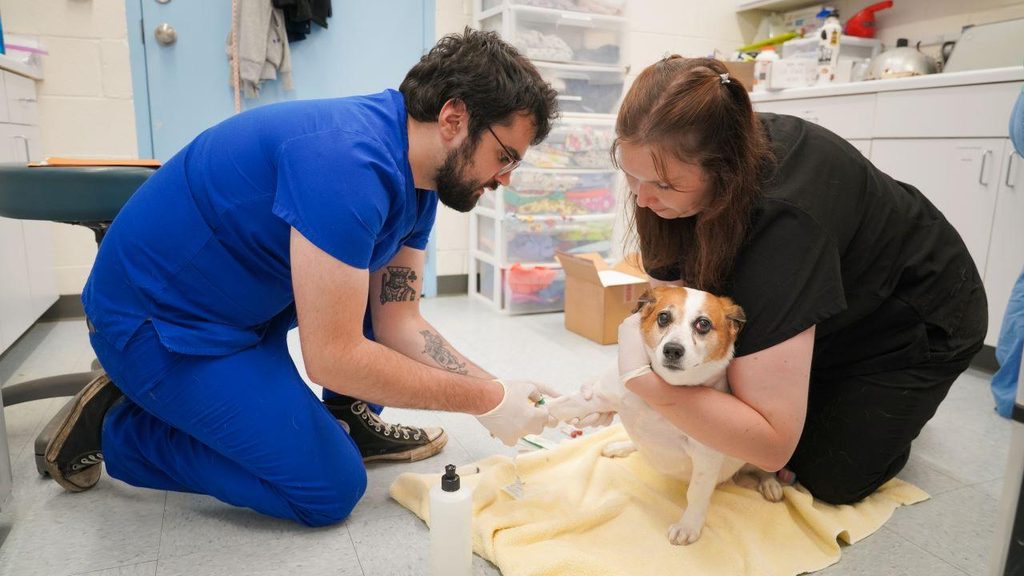
For thousands of years, human beings have lived alongside animals.
Benefits, Risks, Hygiene, Animal Welfare and the Human-Animal Connection
A cow in a village courtyard, buffaloes kept for milk, goats near a farmhouse, chickens in a backyard, fish in ponds, and dogs protecting a home are all familiar examples of the relationship between humans and animals.
Today, this relationship has changed in many ways.
Some people keep animals for food or agricultural purposes. Others keep dogs, cats, birds or fish as companions. For many families, a pet gradually becomes more than an animal—it becomes part of the household.
But an important question remains:
Is keeping animals at home harmful for humans or harmful for the animals themselves?
The answer is not simply yes or no.
It depends on which animal is being kept, how much space it has, how clean the environment is, what it eats, whether it receives veterinary care, and whether its natural needs are respected.
Animals can bring companionship and positive experiences, but they can also carry germs that can sometimes spread to people. Good hygiene, vaccination, parasite control and veterinary care greatly reduce avoidable risks.
1. Why Do Humans Keep Animals?

There are many reasons.
Historically, animals were often kept because they provided:
- milk
- eggs
- meat
- wool
- transportation
- agricultural assistance
- protection
- companionship
Today, companion animals are also kept for emotional connection.
A dog may wait for its owner at the door.
A cat may sleep near a family member.
Fish can make a home feel peaceful.
Birds can become part of the daily routine.
This relationship can create a genuine emotional bond between humans and animals.
CDC notes that pets can provide companionship and may encourage exercise, outdoor activity and social interaction.
2. Is Keeping a Cow, Buffalo or Goat Harmful?
Not necessarily.
Cows, buffaloes and goats can be kept safely when they have:
- appropriate shelter
- clean drinking water
- suitable food
- enough space
- protection from extreme weather
- regular veterinary attention
- clean surroundings
- proper waste management
A dairy animal is not simply a “milk-producing machine.”
It is a living animal with nutritional, physical and behavioural needs.
If a person wants to keep a cow or buffalo for milk, the animal should receive proper care throughout its life—not only when it is producing milk.
This is where responsible animal keeping becomes important.
3. Why Is Natural Food Important for Animals?
Every species has different nutritional requirements.
A cow’s digestive system is different from a dog’s.
A goat’s nutritional needs are different from a chicken’s.
A fish cannot simply be fed the same food as a mammal.
Therefore, “natural food” should not mean giving an animal anything that appears natural.
It means providing a diet appropriate for that species.
For farm animals, this can include appropriate forage, grasses, fodder and supplementary feed according to nutritional needs.
For pets, a veterinarian can help determine an appropriate diet.
The basic principle is:
Feed the animal according to its biology, not according to human taste.
4. Does an Animal Need a Separate Space?
This is an important question.
Different animals need different environments.
A cow needs considerably more space and facilities than a small aquarium fish.
A large dog needs opportunities to move and exercise.
A cat needs places where it can rest, climb or hide.
Chickens need appropriate housing and ventilation.
Fish need water of suitable quality, temperature and chemistry.
Therefore, simply saying “I love my animal, so I can keep it anywhere” is not enough.
Love must also include suitable living conditions.
5. What About Dogs Living Inside the House?
Dogs can live with humans, and many families treat them as members of the household.
This is not automatically unhealthy.
However, responsible ownership is important.
A dog should receive:
- appropriate food
- fresh water
- exercise
- vaccination
- parasite prevention
- veterinary checkups
- grooming
- mental stimulation
- safe socialization
- appropriate training
CDC specifically recommends routine veterinary care, vaccination, parasite prevention and handwashing after handling dogs, their waste, food or supplies.
6. Does a Dog’s Breath or Body Heat Harm Humans?
A healthy dog’s normal body heat or ordinary breathing is not generally considered a health hazard simply because the dog lives in the same home.
The concern is different.
Animals can carry microorganisms even when they appear completely healthy.
Dogs can sometimes carry bacteria, parasites, fungi or viruses that can cause illness in humans.
Therefore, there is no need to fear every breath or touch.
Instead, basic hygiene is sensible.
For example:
Pet → touch → wash hands → eat
is a safer routine than:
Pet → touch → immediately handle food.
7. Can Dogs and Cats Transmit Diseases?
Yes, some diseases can pass between animals and humans.
These are called zoonotic diseases.
They can involve:
- bacteria
- viruses
- parasites
- fungi
Examples associated with dogs and cats include certain gastrointestinal infections, ringworm, parasites and rabies.
But this does not mean that every dog or cat is dangerous.
A healthy, vaccinated, regularly examined animal living in a clean environment is very different from an unvaccinated animal with untreated disease and poor hygiene.
8. What About Rabies?
Rabies deserves special attention, particularly in countries where dog-mediated rabies remains a public-health concern.
Rabies is transmitted mainly through the saliva of an infected animal, commonly through bites or scratches.
WHO states that dogs are responsible for the vast majority of human rabies transmission globally and emphasizes dog vaccination, responsible ownership and prompt medical care after potential exposure.
Therefore:
Dog vaccination is not just about protecting the dog. It also protects people.
If a person is bitten or scratched by an animal that could have rabies, the wound should be washed thoroughly and medical advice should be sought promptly. Rabies prevention after exposure is highly effective when given appropriately and without delay.
9. What About Cats?
Cats can also live successfully with people.
They can provide companionship and become closely attached to their owners.
But cats need appropriate:
- food
- water
- litter facilities
- veterinary care
- vaccination
- parasite prevention
- safe resting spaces
CDC recommends washing hands after handling cats, their food, waste, dishes or litter, and keeping up with veterinary care and vaccination.
One important point is the litter box.
It should be cleaned regularly and placed away from food-preparation areas.
10. What About Birds Inside the House?
Birds can be beautiful companions.
People may keep:
- parrots
- budgerigars
- finches
- canaries
- other domesticated birds
But birds need appropriate cages or aviaries, ventilation, nutrition, clean water, stimulation and species-specific care.
A tiny cage may be convenient for the owner but unsuitable for the bird.
This leads to a bigger principle:
The convenience of the human should not become the suffering of the animal.
11. What About Chickens?
Chickens can be kept in backyard or farm settings, but they need suitable housing.
A good poultry environment should provide:
- adequate space
- ventilation
- clean water
- appropriate feed
- protection from predators
- hygienic bedding
- regular cleaning
Crowding large numbers of birds into a very small area can create welfare and disease-management problems.
So keeping chickens is not automatically harmful.
Poorly managed poultry keeping is the problem.
12. What About Fish?
Fish are different because their entire environment is water.
People may keep fish in:
- aquariums
- ponds
- managed tanks
But an aquarium is not simply a glass box filled with water.
Fish need suitable:
- water quality
- oxygenation
- temperature
- filtration
- tank size
- species compatibility
- feeding
If too many fish are placed into a small aquarium, water quality can deteriorate rapidly.
Therefore, even a small pet requires serious responsibility.
13. Is Keeping Animals at Home Bad for the Animal?
It can be, if the animal’s natural and behavioural needs are ignored.
Consider a simple example.
Suppose someone keeps a large, energetic dog inside a very small room all day.
The owner may say:
“I love my dog.”
But love alone does not provide enough exercise.
The animal may become:
- bored
- overweight
- stressed
- destructive
- poorly socialized
Responsible ownership means asking:
“What does this animal need to live a healthy life?”
rather than only asking:
“What do I want from this animal?”
14. Do Animals Need Open Space?
Many animals need regular movement and environmental enrichment.
But “open space” does not mean that every animal must live outside.
For example:
A dog living indoors may still have a healthy life if it receives sufficient exercise, mental stimulation, social interaction and appropriate care.
A cat can live indoors with suitable environmental enrichment.
A cow requires very different facilities.
A fish requires an aquatic environment rather than open land.
So there is no single rule for every species.
The correct environment is species-specific.
15. Can Animals Become Dependent on Humans?
Yes.
Domesticated animals often depend heavily on people for:
- food
- water
- shelter
- medical care
- protection
- reproduction management
- exercise or enrichment
That creates a moral responsibility.
If a person chooses to keep an animal, they should not suddenly abandon it when caring for it becomes inconvenient.
Animal ownership is therefore not just a hobby.
It is a responsibility.
16. What Happens When People Feed Stray Dogs and Monkeys Outside?
Many people feed animals because they feel compassion.
Feeding a hungry animal can be an expression of kindness.
But feeding should be done responsibly.
Problems can arise when food is:
- left beside busy roads
- thrown into dirty areas
- given in excessive quantities
- allowed to spoil
- placed where it attracts rats or other pests
- given without considering the animal’s nutritional needs
With monkeys and other wildlife, there is an additional concern.
Wild animals should generally remain wild rather than becoming dependent on people.
CDC advises people not to touch or adopt wild animals and recommends contacting appropriate wildlife professionals when intervention is needed.
17. Why Can Feeding Wild Monkeys Become a Problem?
A wild monkey that repeatedly receives human food can begin associating people with food.
That can change its behaviour.
It may:
- approach homes
- enter buildings
- become aggressive when food is unavailable
- steal food
- become dependent on human feeding
There can also be disease and injury risks for both people and animals.
Therefore:
Helping wildlife does not always mean feeding it directly.
Sometimes protecting its natural habitat is a better form of help.
18. Can Pets Make Humans Sick Even When They Look Healthy?
Yes.
This is an important point.
CDC explains that animals can carry germs even when they look healthy and clean. People can be exposed through contact with animals, feces, urine or contaminated objects and environments.
That is why basic hygiene matters.
But this does not mean that people should be afraid of pets.
It means:
Love the animal + maintain hygiene + provide veterinary care.
19. Which People Need Extra Caution?
Some people have a higher risk of becoming seriously ill from certain animal-associated infections.
This includes, among others:
- young children
- older adults
- pregnant women for certain infections
- people with weakened immune systems
CDC specifically identifies young children, older adults and people with weakened immune systems as groups who can be more vulnerable to illnesses associated with animals.
Families with vulnerable members should discuss appropriate precautions with a healthcare professional and veterinarian when necessary.
20. Can Pet Hair Cause Disease?
Pet hair itself is not automatically a source of disease.
However, hair, skin flakes, saliva and the animal’s environment can contain allergens or microorganisms.
Some people may also have allergies to animals.
Therefore, if someone repeatedly develops:
- sneezing
- itchy eyes
- skin irritation
- coughing
- breathing difficulties
around a particular animal, they should discuss the symptoms with a healthcare professional rather than assuming it is simply “normal pet allergy.”
21. What About Hormonal Problems From Living With Animals?
There is no general scientific basis for saying that simply living with a healthy dog, cat, cow or fish causes a human hormonal disease.
This is an important distinction.
Animals do produce hormones because they are living organisms, but ordinary household contact is not equivalent to receiving those hormones into the human body at disease-causing levels.
Health concerns around animals are more realistically related to:
- infections
- allergies
- bites or scratches
- parasites
- animal waste
- environmental contamination
- poor hygiene
rather than a general “hormonal disease” caused by living near pets.
22. Can Animals Actually Benefit Human Health?
Yes, there can be benefits.
Pets can provide:
- companionship
- emotional support
- opportunities for exercise
- social interaction
- daily routine
Walking a dog can encourage a person to go outside and become physically active.
However, we should not say that pets are a universal medical treatment.
A pet may support wellbeing, but it does not replace professional treatment for a medical or mental-health condition.
CDC notes associations between pet ownership and benefits such as increased activity, social interaction and companionship.
23. When Does Pet Ownership Become Harmful?
Pet ownership can become problematic when:
1. The home is too small for the animal’s needs
2. The animal is not exercised
3. Waste is not cleaned
4. Vaccinations are ignored
5. Parasites are untreated
6. The animal is overfed
7. The animal is kept in unsuitable temperatures
8. Too many animals are kept together
9. An animal is purchased without understanding its needs
10. A wild animal is treated like a domestic pet
The problem is therefore often irresponsible ownership rather than animal ownership itself.
24. What Does a Responsible Pet Owner Need to Do?
A responsible owner should think about five basic areas:
Food
Give species-appropriate nutrition.
Water
Provide clean drinking water.
Shelter
Provide safe and comfortable living conditions.
Healthcare
Maintain vaccination, parasite control and veterinary care.
Behaviour
Provide exercise, stimulation and appropriate social interaction.
CDC recommends regular veterinary care, appropriate diet, fresh water, exercise, vaccination, deworming and flea/tick control as part of keeping pets healthy.
25. What Hygiene Rules Should Families Follow?
Simple rules can make a major difference.
Rule 1: Wash hands
Wash hands after touching animals, feeding them or handling their waste.
Rule 2: Keep animal waste away from food
Do not allow feces, litter or dirty animal equipment near food preparation.
Rule 3: Clean bowls
Food and water bowls should be cleaned regularly.
Rule 4: Clean bedding
Wash or clean animal bedding and habitats regularly.
Rule 5: Maintain vaccinations
Follow veterinary recommendations.
Rule 6: Control parasites
Fleas, ticks and worms should not be ignored.
Rule 7: Keep sick animals under veterinary guidance
Do not assume every illness will disappear naturally.
CDC recommends handwashing after animal contact and regular cleaning of pet equipment because these items can sometimes become contaminated with germs.
26. Should Dogs Be Allowed Everywhere Inside the House?
That depends on the household.
There is no universal rule that a dog must never enter a house.
But areas used for food preparation should be kept hygienic.
The dog’s sleeping area, bowls and waste should be managed properly.
If a family member has significant allergies or a health condition that increases infection risk, additional precautions may be appropriate.
The goal is not to create a fear-based separation between humans and animals.
The goal is clean boundaries.
27. Should Children Be Allowed to Play With Dogs?
Children can have positive experiences with animals, but supervision is important.
Even a familiar dog can react unexpectedly if it is frightened, injured, eating or protecting something.
CDC specifically recommends supervising young children around dogs, including trusted family pets.
Children should learn:
- don’t pull an animal’s tail
- don’t disturb it while eating
- don’t suddenly hit or frighten it
- don’t approach an unknown animal
- don’t put their face close to an animal’s mouth
- wash hands afterward
28. What About Bathing Animals?
Bathing can be useful for some animals, but not every animal needs frequent bathing.
Dogs, for example, may need bathing according to their coat, lifestyle and veterinary advice.
Over-bathing can sometimes irritate the skin.
Cats often groom themselves and may not require routine bathing unless there is a particular reason.
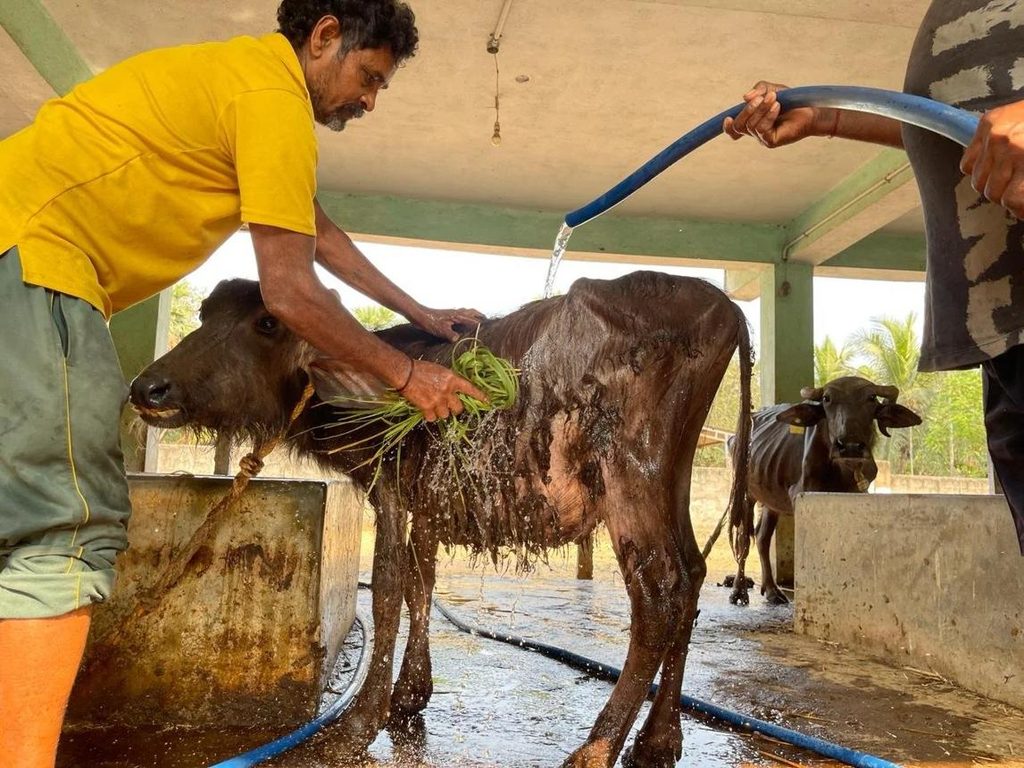
Farm animals need cleanliness too, but their management should focus on appropriate housing, hygiene and species-specific care.
Again:
Animal care should follow veterinary and species-specific needs rather than human ideas of cleanliness alone.
29. Should Animals Become “Family Members”?
Emotionally, many families already consider them family members.
There is nothing inherently wrong with forming a strong bond with an animal.
In fact, that bond can encourage people to care more responsibly for the animal.
But one important distinction should remain:
A pet is a family member emotionally, but it is still an animal biologically.
Its needs are not exactly the same as a human’s.
A dog does not need human food simply because the family is eating it.
A cat does not need human social routines.
A bird does not need to live in a tiny decorative cage.
Love should respect the animal’s biology.
30. What Is the Biggest Mistake People Make?
One common mistake is to think:
“If I love the animal, everything I do for it must be good.”
That is not always true.
Giving a dog too many treats may be loving but unhealthy.
Keeping a bird in a tiny cage because it looks beautiful may not meet its needs.
Feeding wild monkeys every day may seem compassionate but can change their behaviour.
Keeping too many cows or goats in insufficient space can cause welfare problems.
Therefore:
Real animal love requires knowledge, not only emotion.
31. Humans and Animals Can Live Together—But With Responsibility
The relationship between humans and animals does not have to be one of fear.
It can be a relationship of:
care + respect + hygiene + responsibility + compassion.
A cow can be cared for on a farm.
A dog can live with a family.
A cat can live indoors.
Fish can live in a properly maintained aquarium.
Chickens can be kept in suitable poultry housing.
But wild animals should generally remain in their natural ecosystems rather than being brought into ordinary homes.
32. Final Thought: Animals Are Not Objects
Perhaps the most important lesson is this:
An animal is not simply something a person owns.
It is a living being with its own needs.
If we bring an animal into our home, we accept responsibility for its food, water, health, safety and wellbeing.
And if we choose to help animals outside our homes, we should think about whether our actions genuinely help them or unintentionally create dependence, disease risks or conflict.
The healthiest relationship between humans and animals is not based on extreme fear and not based on blind affection.
It is based on responsible compassion.
A healthy home can include animals.
A healthy society can care for animals.
A healthy environment can support both humans and animals.
But the foundation should always be:
Give the animal the right food.
Give it clean water.
Give it suitable space.
Give it veterinary care.
Keep the environment clean.
Respect its natural behaviour.
And protect people from preventable infections.
That is what turns animal ownership from simply “keeping a pet” into genuine animal care.