
Ranganathittu Bird Sanctuary:


12
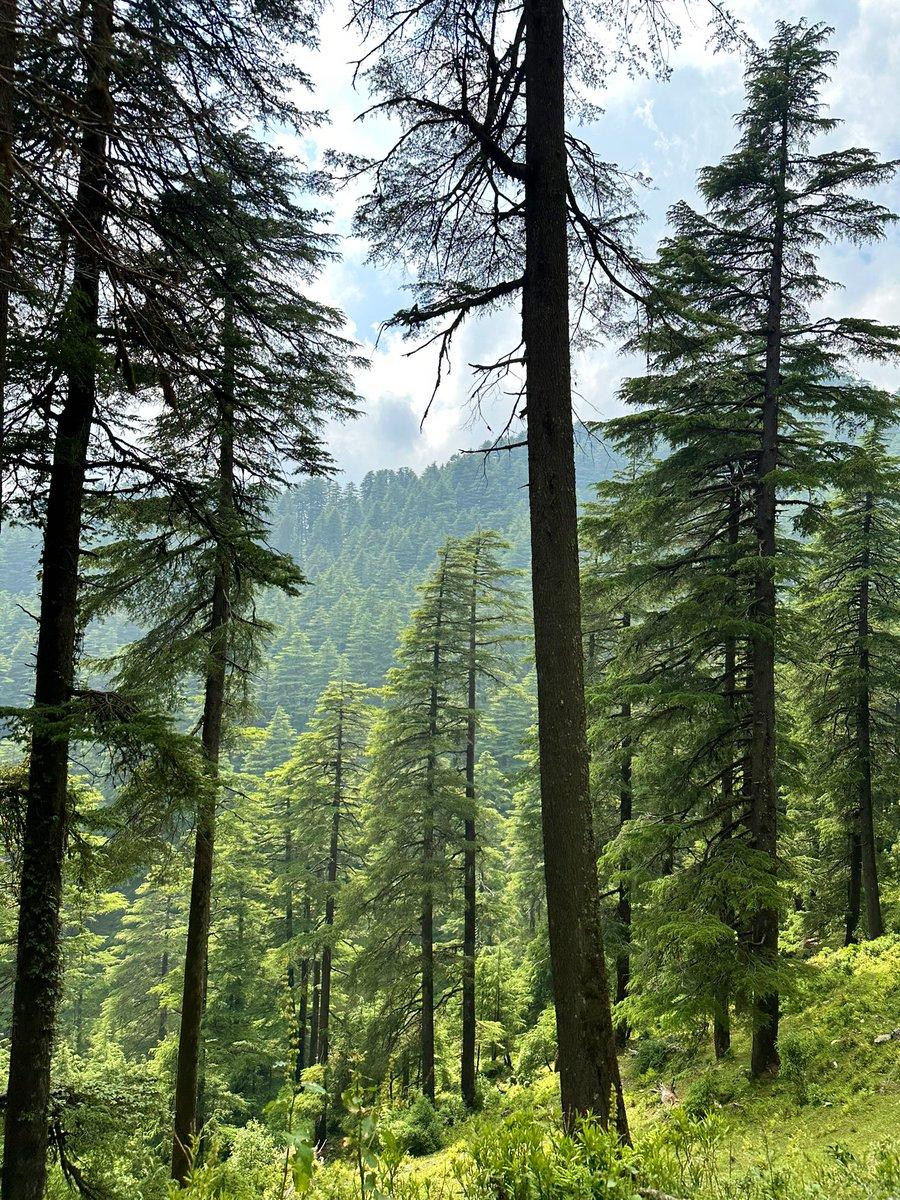
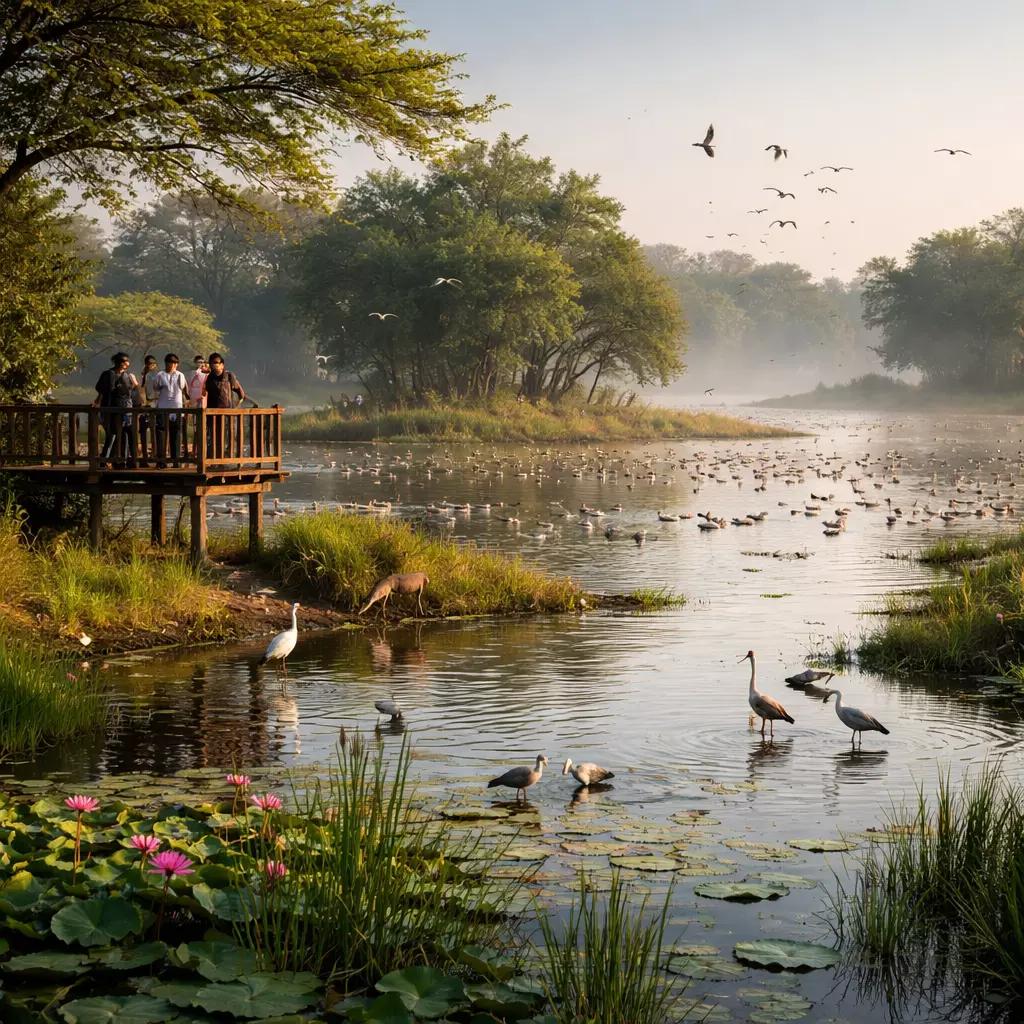
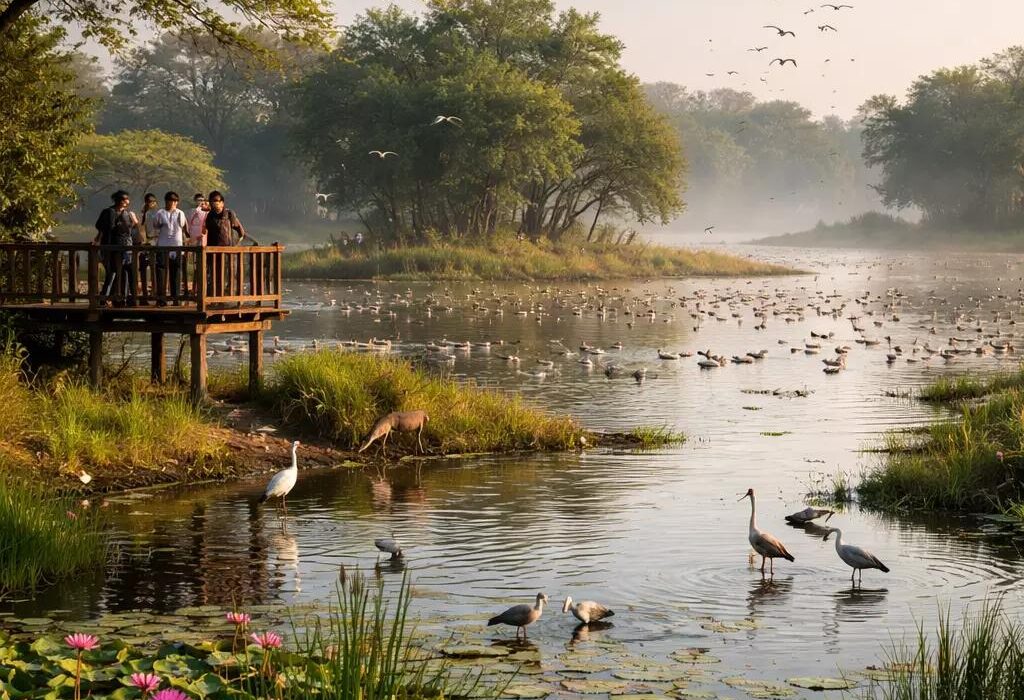
One of India’s most beautiful places for observing wild birds is Ranganathittu Bird Sanctuary, where small islands, green trees and the flowing waters of the Cauvery River create a natural home for many bird species.
Before exploring it in detail, one important correction: Ranganathittu Bird Sanctuary is in Karnataka, not Rajasthan. It is near Srirangapatna in Mandya district, approximately 18–19 km from Mysuru. It is famous for its nesting colonies, migratory birds, guided boat rides and the opportunity to observe wildlife at close range without entering the birds’ nesting areas.
A Complete Guide to Migratory Birds, Rare Species, Nesting, Wildlife, Research and Tourism
Karnataka Tourism
+2
The sanctuary is especially interesting because birds are not simply brought here and kept in cages. Most live freely in their natural surroundings. They find food in the river and nearby habitats, build nests on trees and islands, raise their young and move between locations according to the season.
This guide explains the sanctuary step by step, including its size, bird populations, migration routes, breeding habits, wildlife management, staff responsibilities, research activities and how families, students and tourists can plan a visit.
1. Where Is Ranganathittu Bird Sanctuary?

Location: Near Srirangapatna, Mandya district, Karnataka, India.
River: Cauvery (Kaveri).
Established: 1940, following the recommendation of renowned Indian ornithologist Dr. Salim Ali.
Area: Approximately 0.67 square kilometres, or 67 hectares.
Landscape: Six main small islands and associated riverine habitats are described in sanctuary information.
Famous for: Painted storks, pelicans, cormorants, herons, egrets, kingfishers, river terns and nesting waterbirds.
Karnataka Tourism
+2
The islands formed after an embankment was built across the Cauvery during the seventeenth century. These islands eventually provided suitable nesting sites for birds, helping create the wildlife sanctuary that exists today.
Mysore Circle
+1
The sanctuary is relatively small compared with large national parks, but it is extremely valuable because the river, vegetation and islands provide several important habitats in a compact area.
2. How Many Bird Species Are Found Here?


12
The exact total depends on the date of the bird checklist and whether it includes occasional visitors as well as regularly observed species.
- Karnataka Tourism reports approximately 170 bird species recorded at the sanctuary.
Karnataka Tourism
- The sanctuary’s official website currently advertises a checklist of more than 221 bird species.
Mysore Circle +1
These figures should not be treated as two simultaneous counts of birds present on one day. A checklist records species observed over time, while an actual bird count measures the number of individuals seen during a survey.
The sanctuary’s birdlife includes:
- Resident birds that live in the region throughout the year.
- Seasonal migrants that arrive during particular months.
- Birds that visit to feed or rest.
- Breeding birds that use the islands to nest and raise their young.
- Occasional visitors that may not appear every year.
How many individual birds are present? The number changes with season, weather, food availability and breeding activity. Sanctuary information has reported large winter gatherings, sometimes reaching around 40,000 birds, but that should not be interpreted as the current daily population.
Mysore Circle
3. Beautiful Birds of Ranganathittu: Species You Should Know
The following pictures are visual references for identifying some of the sanctuary’s most interesting birds. Individual sightings vary, so seeing every species during one visit is not guaranteed.

- Painted Stork
Resident breeder
The painted stork is one of Ranganathittu’s best-known birds. It has a long yellowish bill, long legs and pink-and-white markings on its wings.
Food: Fish, frogs and other small aquatic animals.
Breeding: It builds a nest on trees, often in colonies with other waterbirds. Parents take turns caring for eggs and feeding chicks.

- Spot-billed Pelican
A large waterbird with a distinctive bill pouch and broad wings. It is particularly impressive when perched in groups or flying over the river.
Food: Mainly fish.
Breeding: Pelicans can nest colonially, with adults sharing incubation and chick-rearing duties.

- Oriental Darter
Sometimes called the snakebird because its long neck appears above the water while the rest of its body is submerged.
Food: Fish caught by underwater hunting.
Special feature: After swimming, it may spread its wings to dry them.

- Black-headed Ibis
A white bird with a dark head and a long, curved bill. It searches in shallow water and wet ground for food.
Food: Insects, worms, crustaceans, frogs and other small animals.
Breeding: It may nest in trees with other waterbirds.

- Stork-billed Kingfisher
A colourful kingfisher with a large red-orange bill, blue-green wings and a strong body.
Food: Fish, crabs, frogs and other small animals.
Special feature: It often waits quietly on a branch before diving or swooping down for prey.

- Great Egret
An elegant white waterbird with long legs and a slender yellow bill.
Food: Fish, frogs, insects and other small animals.
Special feature: It may stand almost motionless in shallow water while waiting for prey.

- River Tern
A bird associated with rivers and sandy or rocky riverbanks. It can be seen flying over water in search of food.
Food: Mainly fish.
Breeding: River terns may nest on exposed sandy or gravelly areas, where disturbance can put eggs and chicks at risk.

- Cormorant
A dark waterbird that dives underwater to catch fish. Several cormorants may gather on branches or exposed rocks.
Food: Mainly fish and other aquatic prey.
Special feature: You may see one resting with its wings extended after fishing.
Other birds recorded at Ranganathittu include herons, egrets, spoonbills, Asian openbill storks, woolly-necked storks, lesser whistling ducks, Indian rollers and various swallows.
Karnataka Tourism
+1
4. Which Birds Are Resident, and Which Arrive From Other Countries?


Not every bird in the sanctuary migrates internationally. Some are residents of southern India, some travel within the country, and others arrive from distant breeding areas.
| Bird group | Examples | Typical pattern |
|---|---|---|
| Resident waterbirds | Painted storks, egrets, cormorants | May remain locally throughout the year, with numbers changing seasonally |
| Seasonal migrants | Northern shoveler and some wagtails | Arrive during suitable seasons and leave when conditions change |
| River and wetland birds | River terns, kingfishers, herons | Use the river for food, resting and, for some species, nesting |
| Occasional visitors | Species recorded irregularly | May appear only in certain years or under particular conditions |
Which countries do the migratory birds come from?
Sanctuary information describes migratory birds arriving from regions including Central Asia, Siberia and the Himalayan region, as well as areas around Thailand, Myanmar and Bangladesh. The exact origins depend on the species.
Mysore Circle
Some birds come from much closer locations in India, travelling between rivers, lakes, reservoirs and wetlands.
Migration is not simply a journey to a warmer country. Birds are searching for suitable food, safe resting areas and appropriate breeding conditions. A bird may stop at Ranganathittu for part of its journey rather than remain there for the entire winter.
How long do they stay?
There is no single duration for all species.
- Some migratory birds may remain for weeks or months.
- Some use the sanctuary as a feeding stop before moving elsewhere.
- Resident birds may stay throughout the year.
- Breeding birds may remain long enough to build nests, incubate eggs and raise their chicks.
The sanctuary’s information describes winter as an important period for migratory birdwatching, while breeding activity is also a major feature of the site.
Mysore Circle
5. Do All Birds Lay Eggs Here? What Happens to Their Babies?


All living bird species lay eggs, but not every bird lays eggs at Ranganathittu. Many migratory birds breed elsewhere and visit the sanctuary only for feeding, resting or wintering.
Ranganathittu is particularly valuable because its islands provide protected nesting opportunities for several waterbird species.
Step by step: How breeding happens
- Choosing a nesting site: Birds select trees, branches or suitable riverbank habitats, depending on the species.
- Building a nest: Some build substantial nests from twigs, while others use simpler arrangements or shallow ground depressions.
- Laying eggs: The number of eggs varies by species and breeding attempt.
- Incubation: One or both parents keep the eggs warm until they hatch.
- Feeding chicks: Parents bring food and protect their young from danger.
- Learning to fly: As chicks develop, they leave the nest and gradually become more independent.
- Dispersal: After breeding, adults and young may move to other feeding or resting areas.
Do all eggs hatch, and do all chicks survive?
No. Some eggs do not hatch, and some chicks die before reaching adulthood. Predators, storms, food shortages, disease, disturbance and other natural pressures can affect survival.
Parent birds may continue caring for their chicks even when the chicks are large enough to move around. A bird that leaves its nest to search for food has not necessarily abandoned its young; the other parent may still be present, or the chicks may be old enough to remain in the nest temporarily.
Do birds lay eggs and then leave?
Some species leave their nesting site after breeding, but they do not generally abandon newly laid eggs simply to begin migration. The timing of migration is connected to each species’ breeding cycle.
At Ranganathittu, some species breed locally, while other visitors breed in different parts of India or overseas. It is therefore inaccurate to assume that every migratory bird lays eggs here and takes its chicks away.
The sanctuary’s official information identifies the islands as important nesting and breeding habitat. Visitors should never approach nests, touch eggs or disturb adults caring for chicks.
Mysore Circle
+1
6. What Do the Birds Eat? Is There Farming for Them?


Ranganathittu is not a bird farm. It is a protected natural habitat where birds obtain most of their food from the river and surrounding environment.
Different species have different diets.
| Bird or animal | Natural food |
|---|---|
| Pelicans | Fish |
| Cormorants and darters | Fish and other aquatic prey |
| Kingfishers | Fish, crabs and small animals, depending on species |
| Herons and egrets | Fish, frogs, insects and other small animals |
| Painted storks | Fish and other aquatic animals |
| River terns | Mainly fish |
| Ibises and spoonbills | Aquatic invertebrates and other small prey |
| Ducks | Aquatic plants, seeds and small animals, depending on species |
| Marsh crocodiles | Fish and other suitable animal prey |
Is food specially grown for the birds?
There is no reason to assume that every bird is provided with cultivated food. The main conservation priority is to maintain the natural river ecosystem, including fish, aquatic life, vegetation and suitable nesting areas.
In wildlife management, feeding wild birds unnecessarily can make them dependent on human food, change their behaviour or expose them to harmful substances. Visitors are instructed not to feed the birds or animals at Ranganathittu.
Mysore Circle
What work is needed to keep the sanctuary healthy?
Forest and wildlife staff may undertake activities such as:
- Monitoring bird populations and nesting colonies.
- Protecting islands and nesting areas from disturbance.
- Monitoring the river habitat and water quality.
- Maintaining visitor paths, boat facilities and observation points.
- Preventing littering and other harmful activities.
- Responding to injured wildlife and environmental problems.
- Supporting scientific surveys and conservation planning.
The exact number of permanent employees, seasonal workers, boat operators and other contracted staff was not verified in the available official information. It would be misleading to provide a made-up workforce figure.
7. What Other Wildlife Lives Here?


The sanctuary is not only about birds. Its riverine habitat supports several kinds of wildlife.
Marsh crocodile: Also known as the mugger crocodile, this reptile may be seen basking on rocks or along the riverbank. It is a wild predator and must be observed from a safe distance.
Fish and aquatic life: The Cauvery provides food for fish-eating birds and other wildlife, making the river an important part of the food chain.
Butterflies and insects: Insects contribute to the wider ecosystem, serving as food for birds and other animals and supporting ecological processes.
Other animals: The wider sanctuary landscape may support mammals and reptiles, although sightings vary. The sanctuary’s official information advertises a broader checklist of reptiles, butterflies and other wildlife as well as birds.
Mysore Circle
+1
The presence of predators such as crocodiles is not a sign that the sanctuary is unsafe for wildlife. Predators are part of a functioning ecosystem. Visitors, however, must follow all boating and safety instructions.
8. What Is the Most Unusual or Remarkable Thing About Ranganathittu?


One of the most remarkable features of Ranganathittu is that a landscape shaped by human construction eventually became an important habitat for wild birds.
The embankment across the Cauvery helped form islands, and those islands became useful nesting locations. Over time, the combination of trees, water and food attracted colonies of waterbirds.
Mysore Circle
+1
The most memorable experience may not be seeing one rare bird. It may be observing an entire nesting colony, watching pelicans and cormorants move across the river, or seeing a kingfisher dive into the water.
For conservation, the most important feature is the relationship between the river, the islands and the wildlife. Protecting that relationship is essential if the birds are to continue returning.
9. How Do Researchers Study the Birds?

Researchers and ornithologists visit wetlands to understand bird populations, migration, nesting behaviour and habitat conditions. Their work can involve:
- Identifying and counting species.
- Recording arrival and departure dates.
- Observing nest-building and chick-rearing.
- Studying feeding behaviour.
- Monitoring water quality and habitat change.
- Recording threatened species and conservation concerns.
Do researchers bring schoolchildren?
Yes, educational visits to nature reserves are a useful way to teach students about ecology, biodiversity and wildlife conservation. Ranganathittu’s nature interpretation facilities and guided boating make it suitable for educational outings, subject to current rules and availability.
Mysore Circle
+1
Schools, colleges, birdwatching clubs, nature photographers and wildlife organisations may all have reasons to visit. However, a group trip is not necessarily a formal research project.
Researchers often need repeated observations, while school groups may visit for a single educational session.
What percentage of visitors are researchers, students or tourists?
A reliable current breakdown of visitors by category was not available in the sources reviewed. It would therefore be inaccurate to claim, for example, that a particular percentage are researchers and another percentage are tourists.
The sanctuary’s own website reports more than 350,000 tourist visits annually. This is a published figure on its website, not an independently verified count for the current year.
Mysore Circle
10. Can You See the Entire Sanctuary in One Day?
Yes, a visitor can explore the main visitor facilities and enjoy a boat ride in a few hours. However, seeing every bird species is impossible to guarantee.
Most of the sanctuary’s main bird habitat consists of islands, so a guided boat ride is one of the most useful ways to observe the birds. Visitors must remain in authorised areas and must not step onto the nesting islands.
Karnataka Tourism
+1
Step 1: Arrive early
Morning visits can offer a quieter experience and a good opportunity to observe birds before the site becomes busy.
Step 2: Take a guided boat ride
The boat route allows visitors to view nesting trees and birds on the islands. The usual ride is approximately 20–30 minutes according to the current ticket portal.
tickets.ranganathittu.in

Add to Favorites
Step 3: Spend time observing
Use binoculars, observe the riverbank and listen for bird calls. A little patience often reveals more than moving quickly from one point to another.

Add to Favorites
Step 4: Explore other permitted visitor areas
Depending on what is open, you may visit the interpretation centre, observation points and other visitor facilities.
Should you walk or travel by car?
A car is useful for reaching the sanctuary and nearby destinations, but it does not provide access to the nesting islands. Inside the sanctuary, visitors must use the permitted walking routes, authorised vehicles or guided boats where available.
The official pricing information describes an electric-vehicle excursion route of approximately 2.25 km. Availability and access arrangements should be checked on the day.
Ranganathittu Bird Sanctuary
A half-day visit is a reasonable plan for most tourists. Birdwatchers and researchers may prefer a longer visit or repeated trips.
11. When Is the Best Time to Visit?

Add to Favorites
Add to Favorites

Add to Favorites

Add to Favorites

Add to Favorites

Add to Favorites

Add to Favorites

Add to Favorites

Add to Favorites

Add to Favorites

Add to Favorites

Add to Favorites

Add to Favorites
The sanctuary can be visited throughout the year, but different seasons offer different experiences.
| Period | What visitors may see |
|---|---|
| December–February | Opportunities to see winter migrants and large gatherings of waterbirds |
| March–June | Resident birds, feeding activity and changes in bird populations |
| July–October | Important nesting and breeding activity for several species, depending on conditions |
The sanctuary’s official information identifies winter as a good period for migratory birdwatching and describes nesting activity during the breeding season.
Mysore Circle
+1
If your main aim is to see large bird colonies, ask the sanctuary about recent nesting and migration observations before travelling. The best season for one species may not be the best season for another.
12. Entry Fees, Boating and Opening Hours
The sanctuary’s official ticket portal currently lists the following prices. Fees and operating hours can change, so confirm them before departure.
Visitor information
Indian adult entry
₹80
Indian child/student entry
₹40
Common boat ride, Indian adult
₹120
Typical ride duration
20–30 min
The current online portal lists operating hours of 6:30 AM–5:30 PM. Check for seasonal or operational changes.
Check official ticketing and visitor information
These are listed rates, not a guarantee that every facility will operate on every day. The ticket portal also lists camera and parking charges.
tickets.ranganathittu.in
+1
13. Where Can Visitors Stay Overnight?
There is no need to stay inside the protected bird habitat. Visitors can find accommodation in nearby Srirangapatna and Mysuru.

Add to Favorites
Mysuru
A convenient choice for visitors who want a range of hotels, restaurants, transport options and other tourist attractions.

Add to Favorites
Srirangapatna
A practical option for people who prefer to stay closer to the sanctuary and explore nearby historical sites.
The Karnataka tourism accommodation directory includes properties in the wider region, including places near Srirangapatna.
Karnataka Tourism
For a family trip, one or two nights in the area can provide enough time for a sanctuary visit, nearby sightseeing and a relaxed return journey.
14. How Can Children and Visitors Help Protect the Birds?
A wildlife visit is also an opportunity to teach children that animals need their own space and should not be treated like pets.
- Never throw food to wild birds.
- Do not shout at nesting colonies or use loud music.
- Never attempt to land on the islands or approach nests.
- Follow the boat guide’s instructions and wear the required safety equipment.
- Do not litter or leave plastic near the river.
- Keep a safe distance from crocodiles and other wildlife.
- Use binoculars or a camera zoom rather than approaching the animals.
The sanctuary specifically prohibits disturbing or feeding wildlife, and stepping onto its islands is not permitted.
Mysore Circle
+1
15. Final Thoughts: A Natural Classroom for India
Ranganathittu Bird Sanctuary shows how important rivers and wetlands are to wildlife. Its islands provide nesting places, its water supports fish and other aquatic life, and its trees offer shelter for birds that live locally or travel long distances.
For researchers, the sanctuary provides opportunities to study migration, breeding and biodiversity. For schoolchildren, it is a place to learn about food chains and habitat protection. For families and tourists, it offers the experience of seeing wild birds in their natural surroundings.
The most important lesson is that birds do not need to be kept in cages or fed constantly to survive when a suitable habitat provides what they need. They need clean water, food, nesting sites and protection from unnecessary disturbance.
A single visit can be memorable, but observing the sanctuary in different seasons can reveal how its wildlife changes throughout the year.
Official sources and further reading
- Karnataka Tourism — Sanctuary overview, bird species and boating
- Mandya District Administration — Location, area and sanctuary history
- Ranganathittu Bird Sanctuary — Wildlife information and visitor facilities
- Ranganathittu official ticket portal — Current listed entry and boating fees
Note: Bird totals, population estimates, visitor numbers, operating hours and facilities may change. The bird photographs in this article are illustrative references; they do not guarantee that a species will be visible on a particular day.