
Keoladeo National Park
Keoladeo National Park, Rajasthan: A Complete Guide to India’s Famous Bird Sanctuary
Keoladeo National Park, also known as Keoladeo Ghana Bird Sanctuary, is one of India’s best-known wetlands and bird-watching destinations. It is located in Bharatpur, Rajasthan, and is famous for its resident birds, migratory visitors, marshes, grasslands and trees.
The sanctuary is a good example of how nature depends on the balance between water, plants, insects, fish and birds. Protecting it requires more than simply keeping birds inside a park: workers must also care for their habitat, maintain water levels, monitor wildlife and protect the wetland from pollution and other threats.


Add to Favorites

11
1. Where is Keoladeo Bird Sanctuary located?
The sanctuary is in Bharatpur district, eastern Rajasthan, not far from Agra and Mathura. It was once used as a royal duck-hunting reserve, but it is now a protected national park and a UNESCO World Heritage Site. It is also recognised as a Ramsar wetland of international importance.
UNESCO World Heritage Centre
+1
- Official name: Keoladeo National Park
- Popular name: Keoladeo Ghana Bird Sanctuary
- Location: Bharatpur, Rajasthan, India
- Area: Approximately 2,873 hectares, or 28.73 square kilometres
- UNESCO World Heritage listing: 1985
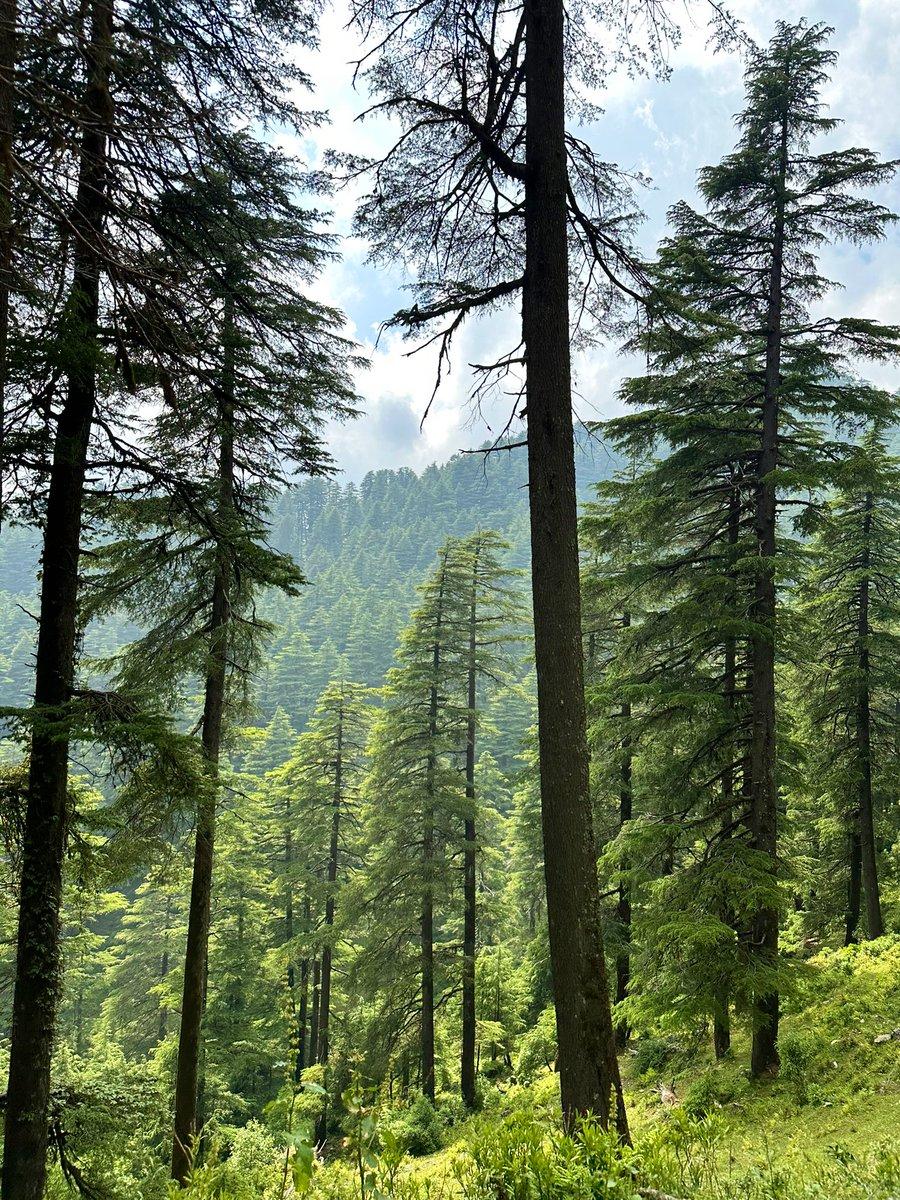
- Habitat: Wetlands, shallow ponds, marshes, grasslands and woodland
The word Ghana refers to the dense vegetation found in parts of the park. Its mixture of water and vegetation creates places where birds can feed, nest and rest.
2. Where do the birds come from?


Birds at Keoladeo come from different places, and not every bird follows the same migration pattern.
- Resident birds: These live in or around the sanctuary throughout the year.
- Winter migrants: Many arrive when winter conditions make the wetland a useful place to find food and shelter.
- Breeding visitors: Some birds arrive when conditions are suitable for nesting and raising their young.
- Occasional visitors: Certain species may appear only sometimes, depending on weather, water availability and food.
Migratory birds can travel from regions of northern and central Asia, including areas connected with the Central Asian Flyway. The exact species and numbers present change from year to year.
UNESCO World Heritage Centre
+1
3. How many bird species live in the sanctuary?
UNESCO records approximately 375 bird species in Keoladeo National Park. This does not mean all 375 species are present in equal numbers every day. Some are common, some are seasonal, and others are rare visitors.
UNESCO World Heritage Centre
+1
Birds commonly associated with the park include:

Painted stork
A large waterbird that feeds mainly on fish and other aquatic animals. It often nests in colonies in trees.

Herons and egrets
These birds hunt in shallow water, catching fish, frogs, insects and other small animals.

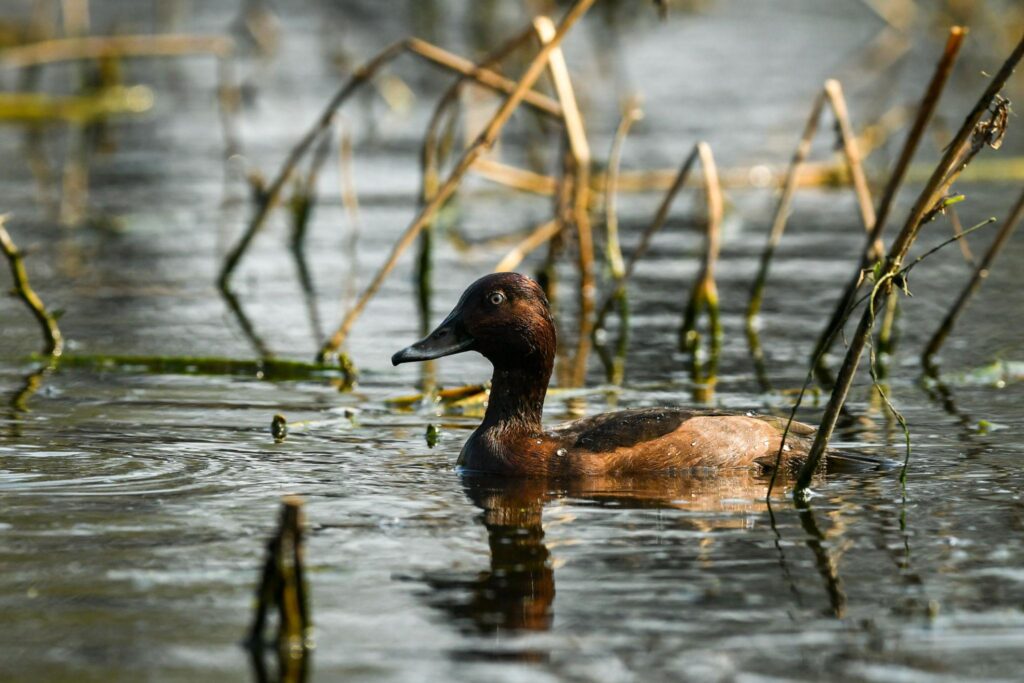
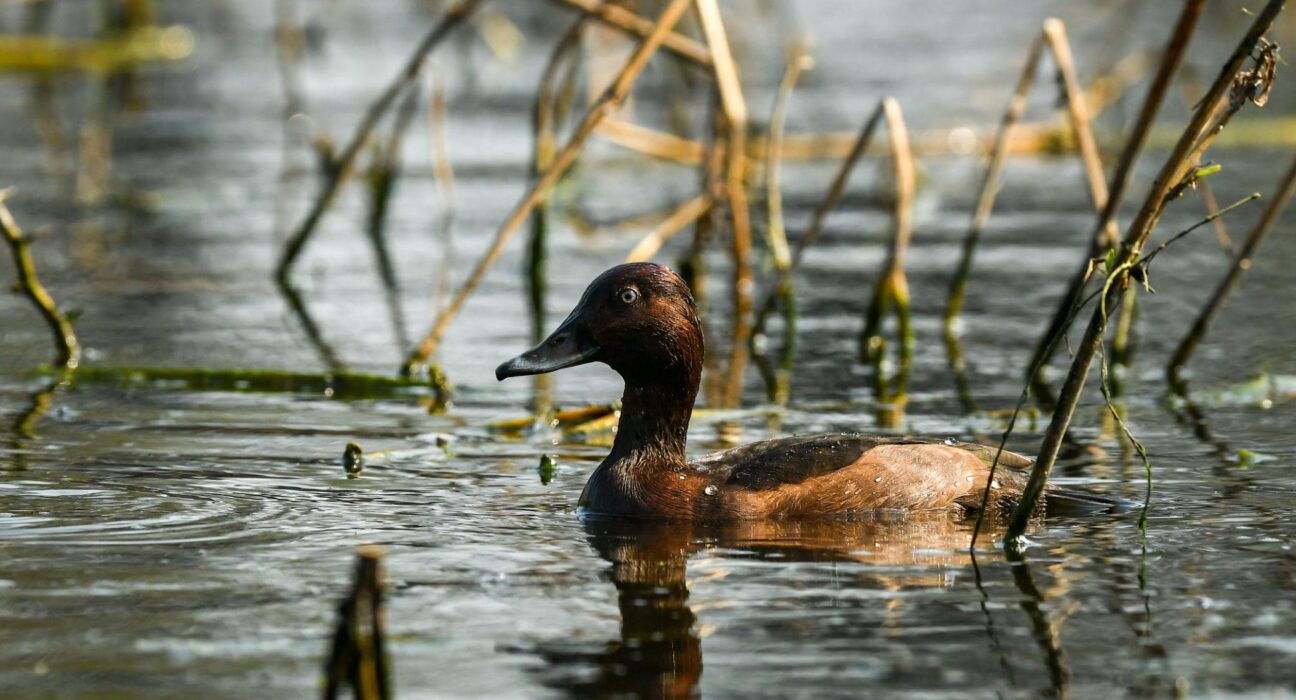
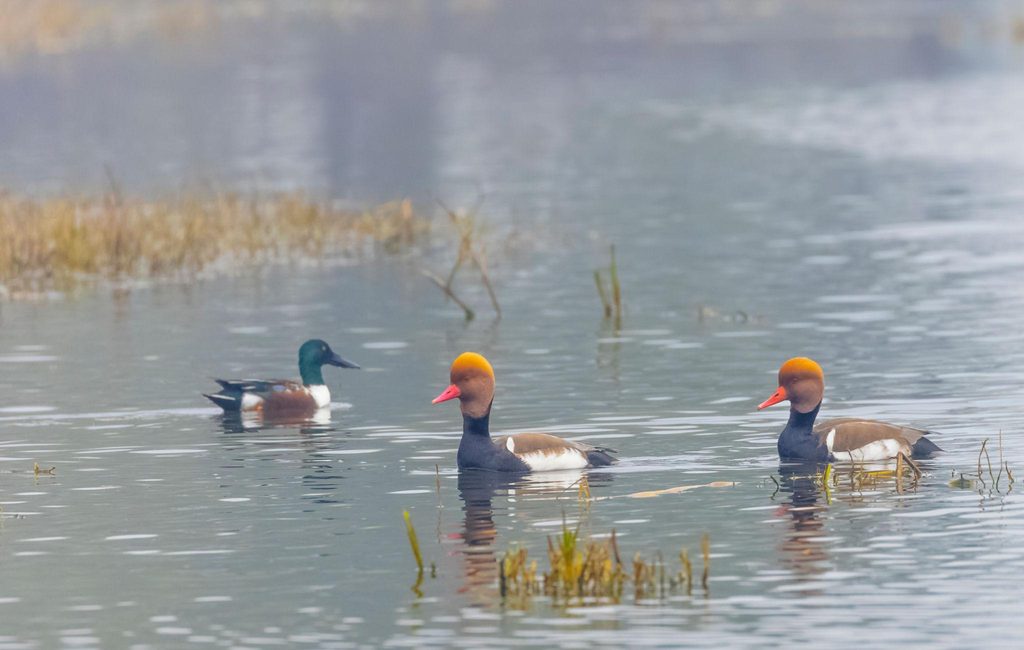
Geese and ducks
Many waterfowl visit during the winter, when wetlands provide food and resting places.

Kingfishers
These birds are known for catching fish and other small prey. They depend on suitable feeding areas.
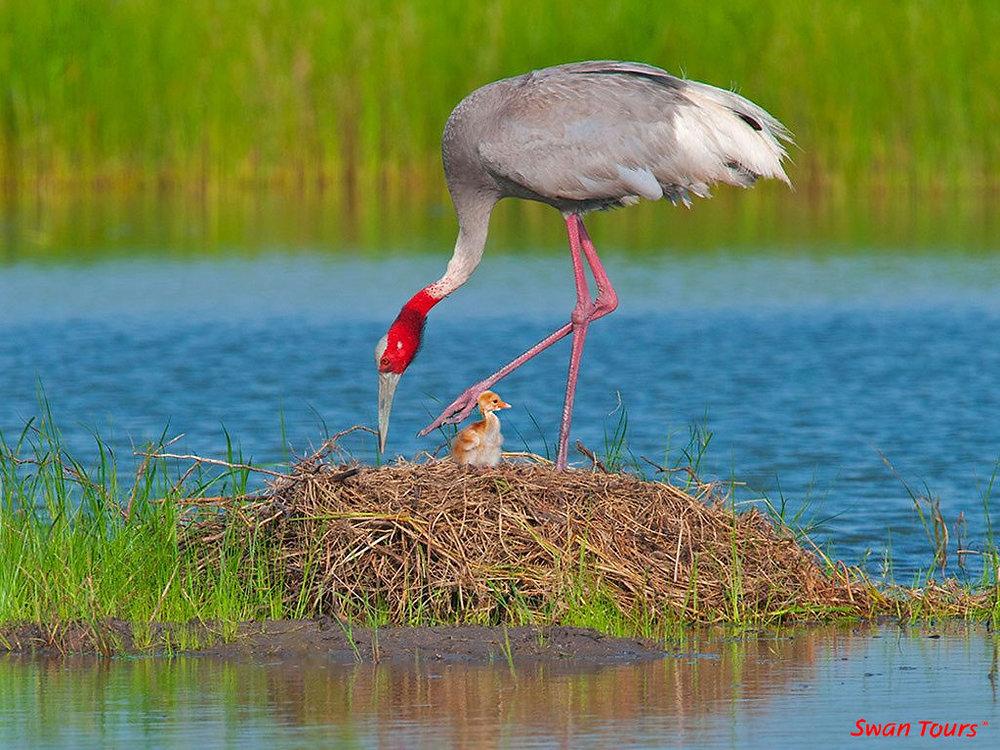
Other birds recorded in the park include cormorants, ibises, spoonbills, cranes, owls, eagles, pelicans and many small woodland birds. The species seen on a particular visit depend on the season and habitat conditions.
UNESCO World Heritage Centre
+1
4. How long do migratory birds stay?
There is no single number of days for every bird. Their stay depends on the species, migration route, weather, water level and availability of food.
- Winter migrants: Many arrive between October and February. Some stay for weeks or months before continuing their migration.
- Resident birds: These may remain in the area throughout the year.
- Breeding birds: Some stay during the nesting season, which can fall in different months depending on rainfall and water conditions.
- Occasional visitors: These may stop briefly or appear only in certain years.
The Rajasthan Forest Department identifies July–September as a nesting and breeding period for waterbirds, October–February as the main period for migratory arrivals, and March–June as a period when resident birds may nest and breed. These are broad seasonal patterns, not fixed dates for every species.
Forest Rajasthan
5. How many birds are there in total?
This is an important question, but there is no single permanent number of individual birds in the sanctuary.
Bird populations change throughout the year. Thousands of birds may gather in a wet year, while fewer may arrive if the wetland lacks water or food. The number also changes during breeding, migration and the movement of birds between feeding areas.
UNESCO reports that in a well-flooded year, more than 20,000 birds may nest in the park’s large breeding colonies. This is a figure for nesting activity under favourable conditions, not a current count of every bird in the sanctuary.
UNESCO World Heritage Centre
+1
To understand the population properly, wildlife staff and researchers conduct bird counts and surveys. They may record:
- The number of birds seen at particular locations.
- Which species are present.
- The number of nesting pairs or active nests.
- The arrival and departure of migratory species.
- Changes in bird numbers as water levels and weather change.
For this reason, it is better to report a dated survey result than to claim that the park always contains a fixed number of birds.
6. What do the birds eat?
Birds find much of their own food in the sanctuary. They are not all fed the same food, because different species have different diets.
| Type of bird | Natural food |
|---|---|
| Ducks and geese | Aquatic plants, seeds, grains and small aquatic animals, depending on species |
| Herons and egrets | Fish, frogs, insects and other small animals |
| Kingfishers | Mainly fish and other small prey |
| Storks and ibises | Fish, frogs, insects and other small animals |
| Owls and eagles | Small mammals, birds, reptiles or other prey, depending on species |
| Small insect-eating birds | Insects, larvae and other tiny invertebrates |
The wetland’s plants, fish, insects and other organisms form a natural food web. Healthy water and vegetation help support this system.
Visitors should not feed wild birds with bread, biscuits, namkeen or other human food. Such food may be unsuitable for their diet, and feeding can disturb their natural behaviour. The park’s visitor guidance asks people not to feed wildlife.
Forest Rajasthan
7. What must be done to protect and care for the birds?
The birds are wild animals, so the main task is to maintain a healthy habitat rather than keep every bird in captivity. The sanctuary’s survival depends on water, vegetation, safe nesting places and protection from disturbance.

1. Maintain water levels
Wetland birds need suitable water depths for feeding, resting and nesting. The park depends on a managed water supply from outside its boundary, so water shortages can seriously affect its wildlife.

2. Protect plants and habitat
Native vegetation gives birds places to hide and nest. Staff also need to control invasive plants that can crowd out useful wetland habitat.

3. Monitor wildlife and prevent disturbance
Forest staff patrol the area, observe wildlife, enforce park rules and help protect birds from illegal hunting, litter and excessive noise.

4. Study birds and their health
Wildlife researchers and trained staff monitor bird populations, breeding, migration and habitat conditions. Injured or sick birds may need expert assessment and veterinary help.
UNESCO identifies water supply, invasive vegetation and the management of surrounding human activities as important conservation challenges. The park is managed by the Rajasthan Forest Department with support from local communities and conservation organisations.
UNESCO World Heritage Centre
+1
8. How many workers look after the birds?
The sanctuary requires a range of people to maintain it, but I could not verify a reliable, current public figure for the total number of employees and daily workers. The number can also change according to staffing arrangements and seasonal requirements.
Work may involve:
- Forest officers and wildlife staff.
- Forest guards and patrol teams.
- Wetland and habitat maintenance workers.
- Bird researchers and monitoring teams.
- Veterinary professionals or wildlife rescue specialists when needed.
- Nature guides and registered cycle-rickshaw guides.
- Cleaning, visitor management and other support staff.
These roles are not all the same. Some people are government employees, some may work on contracts, and guides or rickshaw operators may be local service providers rather than park employees.
The park also provides livelihoods to people from surrounding communities. UNESCO specifically notes the role of trained local rickshaw guides in helping visitors watch birds while reducing noise and supporting local incomes.
UNESCO World Heritage Centre
9. How much food and money are required to keep the birds?
It would be misleading to calculate a daily food budget for all the birds as if they were in a zoo. Most birds at Keoladeo feed naturally on fish, insects, plants and other organisms in the wetland. The park’s major recurring needs are habitat management, water, monitoring, protection and visitor services.
The main expenses may include:
- Managing water channels, dykes and sluices.
- Maintaining habitat and controlling invasive plants.
- Paying staff and supporting patrols.
- Monitoring wildlife and responding to emergencies.
- Managing visitor routes, waste and facilities.
- Conducting research and conservation work.
The actual budget varies from year to year. A trustworthy cost estimate would require a specific year’s official expenditure or management report; there is no reliable single figure that can be calculated simply from the number of bird species.
10. Can visitors stay overnight inside the sanctuary?
Visitors can explore the park during its opening hours, which the Rajasthan Forest Department describes as sunrise to sunset. They can travel on foot or use permitted cycles, cycle-rickshaws and battery-operated vehicles. Boat access depends on the facilities and conditions available.
Forest Rajasthan
The department also lists Shanti Kuteer Forest Rest House as an accommodation option associated with the park. However, availability, booking rules and permission to stay should be confirmed with the park office before travelling. Visitors should not assume that every part of the sanctuary is open for overnight stays.
For official information, the Rajasthan Forest Department lists the Keoladeo National Park office in Bharatpur and telephone number 05644-222777.
Forest Rajasthan
11. Why is water so important to this bird sanctuary?
Water is the foundation of the park’s ecosystem. When suitable water is available, fish, insects and aquatic plants can flourish, providing food for birds. Shallow pools, deeper channels and marshes also give different species places to feed and breed.
When water is insufficient, nesting can decline, feeding areas can shrink and migratory birds may choose other wetlands. UNESCO has highlighted the need for a dependable water supply and continued water-quality monitoring. Its 2025 decision noted that the minimum water level considered necessary for ecological functioning was met in 2024, while also stressing the need for a long-term solution.
47 COM 7B.5
This shows why protecting a bird sanctuary means protecting the entire wetland system, not simply counting birds or putting up fences.
12. What can people do to help?
People can support Keoladeo and other bird habitats through simple actions:
- Never throw plastic, food wrappers or other rubbish into wetlands.
- Do not feed wild birds or try to touch them.
- Keep noise low and remain at a safe distance from nests.
- Follow the instructions of forest staff and authorised guides.
- Support responsible birdwatching and local nature guides.
- Protect lakes, ponds, trees and natural vegetation in their own communities.
- Share accurate information about birds instead of spreading unverified population figures.
Conclusion
Keoladeo National Park is more than a tourist destination. It is a living wetland where resident birds, migratory visitors, plants, fish, insects and people are connected. Its approximately 375 recorded bird species make it internationally important, but its future depends on reliable water, suitable habitat, scientific monitoring and careful management.
The birds do not need people to provide every meal. They need a healthy place where they can find their own food, breed safely and continue their natural journeys. Protecting that environment is the most effective way to protect the sanctuary’s birdlife for future generations.