Neemuch Aushadhi Mandi: India’s Important Market


10
India has a long tradition of using plants, roots, seeds, fruits and tree bark in Ayurveda, traditional remedies, food products and herbal industries. Many of these materials are collected by farmers, grown in fields, processed by small businesses and sold through wholesale markets.
One such important trading centre is Neemuch Aushadhi Mandi, in Neemuch district of Madhya Pradesh. It is associated with the wider trade in medicinal herbs, dried plant materials and agricultural commodities. Buyers and sellers use these markets to connect the people who grow or collect raw materials with traders, processors and manufacturers.
What makes this trade interesting is that a product which looks like an ordinary dried peel, seed or root may have commercial value because a food-processing company, herbal manufacturer or other industry needs that material.
However, not every item sold in a medicinal-plant market is a medicine, and not every dried plant material has a confirmed commercial use. The identity, quality, purity and intended application of each product matter.
1. Where Is Neemuch Aushadhi Mandi, and How Large Is It?


Neemuch is in western Madhya Pradesh, near the Rajasthan border. The district is well known for agricultural trading, spices, seeds and medicinal herbs.
It is important to understand that Neemuch has a large agricultural market as well as a specialised trade in medicinal plants. These are related but not identical activities.
According to the official district administration, Neemuch trades in hundreds of kinds of herbs and agricultural commodities, and its economy includes herbal extraction, food processing, oil mills, pulse processing and dehydrated vegetable products.
India
A report published in May 2026 describes a specialised herbal market where around 40–50 types of medicinal plant materials are procured through open auctions. It also describes a wide range of prices depending on the material and quality.
medianews18.com
How many acres does the herbal mandi cover? I could not verify a reliable, separate area figure for the specialised herbal trading section. The wider Neemuch agricultural market and the herbal trading activity should not be assigned the same area without an official land record.
2. What Is Sold in the Market?
The unusual feature of medicinal-plant trading is that buyers may want much more than a whole plant or a fresh fruit. Depending on the species and buyer’s requirements, dried roots, bark, leaves, flowers, seeds, fruit pulp and peels can all have a market.

Medicinal roots and underground parts
Ashwagandha, shatavari and other medicinal roots are traded for use as raw materials in traditional herbal products and manufacturing. Species identification and quality testing are important.

Dried fruits
Amla, harad (haritaki), baheda and other dried fruits can be sold to traders and processors. Some are used in traditional preparations, powders, extracts and personal-care products.

Fruit peels
Dried lemon and orange peels may be used in food ingredients, fragrances, cosmetic preparations and certain herbal products, depending on their quality and the buyer’s specifications.

Leaves, flowers and stems
Materials such as kalmegh, tulsi, neem leaves, flowers and other plant parts may be sold to herbal processors, traditional-product manufacturers or other buyers.

Seeds, grains and spices
Coriander, fenugreek, cumin, ajwain, oilseeds, pulses and cereals are also important parts of Neemuch’s wider agricultural trade.
India
Fresh fruits, vegetables, grains and stone or mineral products do not necessarily belong to the same market or auction. Their availability depends on the particular trading yard and the buyers operating there.
3. Why Do People Sell Dried Lemon Peel, Okra Seeds and Harad?


A material that looks like waste at home may be a useful raw material for a business. But it must have a buyer, a suitable quality and a practical use.
| Raw material | Possible commercial uses |
|---|---|
| Dried lemon peel | Food flavouring, fragrance ingredients and some cosmetic or herbal preparations |
| Okra (bhindi) seeds | Seed planting, oil or other specialised applications, depending on variety and quality |
| Harad fruit | Traditional herbal preparations, powders and extracts |
| Baheda fruit | Traditional herbal preparations and processing |
| Amla | Dried fruit, powders, extracts, food products and hair-care preparations |
| Dried neem leaves | Certain traditional herbal and agricultural applications |
| Ashwagandha roots | Herbal raw materials, powders and extracts |
| Moringa leaves | Food powders and other plant-based products |
The exact application depends on the product’s identity, grade, cleanliness and whether it meets the buyer’s standards. Not all materials are suitable for human consumption or medicinal manufacture.
What about dried peels and seeds that people bring from home or farms?
They may be sold if a trader or processor accepts them, but it is not safe to assume that every household can collect random waste and sell it profitably.
Commercial buyers may require:
- Correct botanical identification.
- Consistent size, colour and dryness.
- No mould, insects, soil or chemical contamination.
- Moisture levels within the buyer’s specification.
- A minimum quantity and suitable packaging.
- Proof of origin or testing where required.
For example, a buyer may purchase clean, properly dried lemon peel but reject peels that have developed mould during storage. A trader may also pay a different price for whole fruit, broken pieces and powdered material.
4. How Are These Materials Turned into Products?

Step 1: Growing or collecting
Farmers cultivate a medicinal crop or collect an eligible plant material from an appropriate source.

Step 2: Cleaning and drying
The material is cleaned, sorted and dried using methods appropriate for that species and its intended use.
Step 3: Selling through traders or the market
The seller offers the material to a wholesaler, processor or other buyer. Price depends on demand, grade, quantity and supply.

Step 4: Processing
Depending on the raw material, a manufacturer may grind it, extract selected compounds, blend it with other ingredients or use it in a food, cosmetic, agricultural or herbal product.

Step 5: Testing and sale
The finished product may require laboratory testing, appropriate labelling and relevant regulatory approvals before it can be marketed.
Neemuch’s official district profile confirms that the local economy includes herbal extraction, oil processing, pulse processing and dehydration plants. This helps explain why buyers are interested in many kinds of raw agricultural material.
India
5. On Which Days Does Neemuch Aushadhi Mandi Operate?
This is an important question for farmers and traders who are planning a visit.
The wider Neemuch Krishi Upaj Mandi is an established agricultural trading centre. However, I could not verify a current official schedule establishing that the specialised herbal auction takes place every day or on one fixed weekday.
A report on the herbal market describes arrivals continuing steadily through much of the year, with arrivals starting to decline after April and towards the end of May. That does not, by itself, confirm the exact auction days or opening hours.
medianews18.com
Before travelling:
- Contact the Neemuch Krishi Upaj Mandi administration.
- Ask specifically about the medicinal-herb auction, rather than only the general agricultural market.
- Confirm which products are accepted on your intended date.
- Ask about seller registration, weighing, commission and payment arrangements.
- Check whether your quantity is sufficient for a wholesale buyer.
You can begin with the official Neemuch district website and the district administration’s official contact directory.
6. Where Do the Traders and Farmers Come From?


Neemuch’s herbal trade attracts interest from people involved in cultivation, collection, processing and wholesale distribution.
A May 2026 report identifies farmers and suppliers from states including Rajasthan, Gujarat, Maharashtra, Karnataka, Uttar Pradesh and Chhattisgarh as participants in the market.
medianews18.com
The wider trading network can include:
- Farmers growing medicinal crops.
- Collectors and suppliers of permitted wild or cultivated plant materials.
- Wholesale traders who buy and resell produce.
- Herbal-product manufacturers.
- Food and spice processors.
- Cosmetic and personal-care manufacturers.
- Exporters supplying overseas buyers.
Not every trader is a farmer. Some businesses specialise in buying raw materials, grading them, storing them and selling them to manufacturers.
Similarly, not every seller manufactures finished products. Many traders work exclusively with raw materials.
7. What Sells the Most, and Can Prices Reach Lakhs of Rupees?
Different commodities have very different values. A common agricultural product may sell in large quantities at a relatively low price, while a specialised medicinal raw material may command a much higher price per kilogram.
A report published in May 2026 describes medicinal plant materials trading across a broad range, from around ₹500 to ₹2 lakh per quintal. This is a reported range across different products, not a price that every herb receives.
medianews18.com
One quintal equals 100 kilograms.
Illustrative value of different lots
100 kg at ₹500/quintal
₹500
100 kg at ₹10,000/quintal
₹10,000
100 kg at ₹2 lakh/quintal
₹2,00,000
This is an illustration of the reported upper end, not a guaranteed price or an average market rate.
Which products are important in Neemuch?
The official district profile identifies ashwagandha, kalmegh, shatavari, safed musli, stevia leaves and giloy among the herbs traded in Neemuch. It also identifies coriander, fenugreek, cumin, ajwain, grains, pulses and oilseeds among the wider agricultural commodities.
India
It is not possible to establish a reliable ranking of today’s best-selling medicinal plants without current auction-volume data. High prices and high sales volumes are also different things: an item can be expensive but sell in small quantities.
8. Do Farmers Make a Profit by Bringing Their Produce to Neemuch?
They can, but profit is never guaranteed.
A specialised market may help a farmer reach buyers who understand the value of a medicinal crop. However, the farmer must calculate all expenses, not just compare the selling price with the cost of growing the plant.
Consider this example.
| Expense or income | Illustrative amount |
|---|---|
| Sale of 100 kg of dried herbs | ₹12,000 |
| Cultivation and harvesting | ₹4,000 |
| Drying, cleaning and packaging | ₹1,000 |
| Transport and market-related expenses | ₹1,000 |
| Estimated profit before other costs and taxes | ₹6,000 |
These figures are hypothetical and do not represent an actual Neemuch transaction.
Farmers should consider:
- Whether the crop has a confirmed buyer.
- How long it takes to grow and dry.
- Whether the material loses weight during drying.
- The grade and moisture requirements.
- Transport and storage expenses.
- Price changes between harvest and sale.
- Rejection risk and payment terms.
For small farmers, a nearby buyer may sometimes offer a better overall return than transporting a small quantity over a long distance. For a specialised crop, however, the higher price available in a wholesale market may justify the journey.
The best approach is to confirm the buyer and expected grade before planting a new medicinal crop on a large scale.
9. Can Neemuch Mandi Help Farmers Discover Market Rates?
Yes. A mandi can provide useful information about prices, demand and the types of raw materials buyers are seeking. But a price reported for one commodity on one date should not be treated as a permanent rate.
For example, an online Neemuch mandi listing reported amla at ₹11,300 per quintal on 7 October 2026. This is a dated market report, not a guaranteed price for every grade or seller.
Commodity Facts
+1
For accurate comparisons, farmers should check:
- The date of the auction.
- The minimum, maximum and modal prices.
- The exact product and variety.
- Whether the material is fresh or dried.
- Its quality and grade.
- The quantity actually sold.
The modal price is the price at which the greatest volume of a commodity was traded in the relevant reporting period. It can be more useful than an isolated high price, but it still does not guarantee what an individual farmer will receive.
You can check the Neemuch amla market-rate listing as one example of how reported rates are displayed. Verify the latest date and cross-check important transactions with the market administration.
10. Are Fertilisers, Organic Manure and Other Agricultural Products Also Available?
Neemuch is a large agricultural trading centre, so its wider commercial network serves farmers and agricultural businesses. However, the availability of a particular fertiliser, organic manure or plant-based product depends on the seller and the relevant market section.
Some businesses may sell agricultural inputs or process plant materials into powders, extracts or other products. These activities should not be confused with the sale of raw herbs at auction.
If you are looking for manure or fertiliser, check whether the seller is authorised to supply the product and whether it meets the relevant standards. Do not assume that a medicinal herb or plant powder is suitable for use as fertiliser simply because it is natural.
11. Can a Small Business Buy Raw Herbs and Manufacture Products?
Yes, but it is best to begin with a specific product and a clear understanding of the buyer.

Business idea 1: Dried fruit peels
Buy clean, correctly dried peels for a defined food, fragrance or cosmetic application. Confirm the specifications and demand before purchasing bulk stock.

Business idea 2: Amla products
Explore dried amla, amla powder or other food products. Manufacturing and sale require suitable hygiene, packaging and applicable food-business compliance.

Business idea 3: Medicinal-plant raw materials
Supply identified and quality-tested herbs to established manufacturers. Starting as a raw-material supplier may require less processing equipment than manufacturing finished herbal products.

Business idea 4: Dehydrated agricultural products
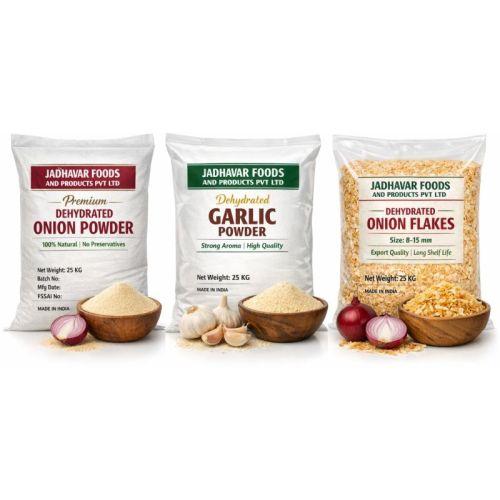
Neemuch’s agricultural economy includes onion and garlic dehydration. These products can supply food processors and commercial kitchens.
India
Before starting, compare the cost of raw material, processing, packaging, testing, transport and marketing with the actual selling price. If you plan to sell a product as a medicine, additional regulatory requirements may apply. Do not make unsupported claims that an untested plant product cures a disease.
12. Final Conclusion
Neemuch is an important centre for agricultural commodities and medicinal-plant trading. Its value comes from connecting farmers and suppliers with traders, processors and manufacturers who need raw materials for food, herbal products, personal care and other industries.
The market is particularly interesting because medicinal-plant commerce can include roots, seeds, bark, leaves, flowers, dried fruits and peels—not only complete plants. Some of these materials command good prices, but their value depends on quality, demand, supply and the intended use.
For a farmer, the opportunity is to identify a suitable crop, understand its market and secure buyers. For a trader, the challenge is sourcing consistent quality and managing price changes. For a manufacturer, the priority is obtaining correctly identified, safe and suitable raw materials.
Neemuch can offer opportunities to all three groups, but the most reliable business decisions come from checking current auction information, speaking directly with buyers and calculating costs before investing.