


Heart Pain After 40:
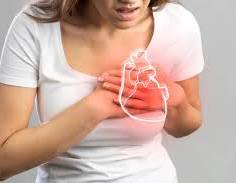
Heart Pain After 40: Why It Matters, What Increases the Risk, and How to Protect Your Heart
When a person crosses 40, health often becomes something that can no longer be ignored. The body may still look normal from the outside, but blood pressure, cholesterol, blood sugar, weight and physical fitness can change silently.
One of the biggest concerns is heart health.
People sometimes say, “After 40, heart pain becomes common.” There is some truth behind the concern about cardiovascular risk increasing with age, but chest pain itself should never simply be considered a normal part of getting older.
Cardiovascular disease is a major health problem worldwide. The World Health Organization estimates that cardiovascular diseases cause about 17.9 million deaths globally each year.
India faces a particularly important cardiovascular-health challenge. Research describes cardiovascular disease in Indians as tending to occur at an earlier age and contributing substantially to premature deaths.
So the question is not only “Why does my chest hurt?”
It is also:
“How can I protect my heart before a serious problem develops?”
1. Is Heart Pain More Common After 40?
Age is an important cardiovascular risk factor, but there is no specific age at which everyone suddenly develops heart disease.
As people become older, the likelihood of conditions such as:
- High blood pressure
- High cholesterol
- Diabetes
- Obesity
- Artery disease
can increase.
In India, WHO has reported that cardiovascular diseases accounted for a substantial proportion of deaths and that CVDs accounted for 45% of deaths in the 40–69 age group in the cited national data.
This does not mean that every person over 40 will develop heart disease.
It means that 40 is a sensible age to take prevention seriously rather than waiting for symptoms.
2. What Does Heart-Related Chest Pain Feel Like?
Heart-related pain can feel different from person to person.
Some people describe:
- Pressure
- Tightness
- Squeezing
- Heaviness
- Burning or discomfort
The discomfort may sometimes spread toward the:
- Arm
- Shoulder
- Back
- Neck
- Jaw
It can also occur with:
- Breathlessness
- Sweating
- Nausea
- Unusual weakness
- Dizziness
But symptoms are not always typical.
That is why chest pain should not be diagnosed at home simply by reading an article.
3. When Is Chest Pain an Emergency?
If chest pain is new, severe, persistent, or accompanied by breathlessness, sweating, fainting, nausea, or pain spreading to the arm, back, neck or jaw, seek emergency medical care immediately.
Do not wait to see whether it disappears.
A heart attack can be life-threatening, and early medical treatment matters.
Do not drive yourself if you are seriously unwell. Contact local emergency medical services.
4. Is Heart Disease Actually Increasing in India?
India has a very large cardiovascular disease burden.
A 2025 systematic review and meta-analysis estimated an overall pooled prevalence of cardiovascular disease of about 11% among Indian adults, although the studies included were highly heterogeneous, meaning this figure should not be interpreted as the exact prevalence for every Indian adult today.
Research also shows that India has a high burden of important cardiovascular risk factors.
The ICMR-INDIAB findings have reported substantial levels of hypertension, obesity and other metabolic risk factors. One review of the study reported hypertension prevalence of about 35.5%, with an estimated 315 million people affected at the time of the study’s estimates.
A newer 2026 analysis based on 23,665 participants from ICMR-INDIAB reported a very high prevalence of dyslipidemia—abnormal blood lipid levels—among Indian adults.
These numbers show why cardiovascular prevention deserves serious attention.
5. Why Can Indians Face Heart Risk at a Relatively Younger Age?
There is no single reason.
Researchers point toward a combination of:
Genetics and biology
South Asian populations can have particular patterns of cardiovascular and metabolic risk.
Diabetes
Diabetes increases cardiovascular risk.
High blood pressure
Hypertension can silently damage blood vessels over many years.
Abnormal cholesterol
High LDL cholesterol and other lipid abnormalities contribute to artery disease.
Abdominal obesity
Fat around the abdomen is associated with metabolic risk.
Smoking and tobacco
Tobacco substantially increases cardiovascular risk.
Physical inactivity
A sedentary lifestyle can contribute to obesity, diabetes and poor cardiovascular fitness.
Diet
Dietary patterns high in unhealthy fats, refined carbohydrates, salt and excess calories can increase risk.
Air pollution
Air pollution is also recognized as a cardiovascular risk factor.
The important point is that heart disease is usually the result of multiple factors rather than one particular food or one particular habit.
6. What About Samosa, Puri, Bhatura and Mithai?
This is an important question because fried foods and sweets are part of many Indian food traditions.
A samosa, puri, bhatura or mithai is not automatically a heart attack waiting to happen.
The bigger issue is frequency, quantity and the overall diet.
Eating a small portion occasionally is very different from eating deep-fried food and sweets every day.
For example:
Occasional festival mithai + otherwise balanced diet
is very different from:
Daily sweets + fried snacks + sugary drinks + little physical activity + weight gain.
The second pattern can contribute to metabolic problems that increase cardiovascular risk.
7. Homemade Food Is Not Automatically Healthy
Many Indian families prepare snacks at home, which can be wonderful from a food-safety and cultural perspective.
But homemade does not automatically mean heart-healthy.
A homemade puri is still deep-fried.
A homemade sweet can still contain substantial sugar and saturated fat.
A homemade snack can still be high in calories.
The healthier question is:
How often do we eat it, how much do we eat, and what does the rest of our diet look like?
8. What Should a Heart-Friendly Indian Diet Look Like?
A heart-friendly diet does not require abandoning Indian food.
It can include familiar foods such as:
- Dal
- Beans
- Chickpeas
- Vegetables
- Fruits
- Whole grains
- Oats
- Whole-wheat roti
- Millets where suitable
- Nuts in appropriate portions
- Seeds
- Unsweetened or minimally sweetened dairy foods where suitable
The American Heart Association emphasizes quality nutrition and heart-healthy eating patterns for managing cardiovascular risk.
9. What Should Be Limited?
Rather than creating a list of foods that can never be eaten, think about foods that should be limited, especially when consumed frequently.
These can include:
- Deep-fried snacks
- Excess sweets
- Sugary drinks
- Highly processed foods
- Excess salt
- Foods high in saturated fat
- Large portions
- Frequent restaurant fast food
- Tobacco
The exact diet should be individualized, particularly for someone with diabetes, kidney disease, high cholesterol or established heart disease.
10. What About Ghee and Oil?
This is another area where people often go to extremes.
Neither “all oil is bad” nor “traditional fat can never cause problems” is a complete explanation.
The important issues include:
Type of fat + total amount + cooking method + overall calorie intake.
Deep frying regularly can make meals much more energy-dense.
Using excessive amounts of any added fat can also make it easier to consume more calories than the body needs.
11. Can Stress Cause Heart Problems?
Stress is a real part of modern life.
Work pressure, financial concerns, family problems, lack of sleep and constant digital stimulation can affect health.
Stress can also influence behaviors such as:
- Overeating
- Smoking
- Drinking alcohol
- Sleeping poorly
- Avoiding exercise
Long-term stress therefore deserves attention.
But chest pain should not automatically be blamed on stress.
If someone has unexplained chest pain, especially with warning symptoms, medical evaluation is more important than assuming anxiety is responsible.
12. Does Sitting Too Much Affect the Heart?
Yes, an inactive lifestyle is an important cardiovascular risk factor.
The American Heart Association recommends that adults aim for at least 150 minutes of moderate-intensity aerobic activity each week, or 75 minutes of vigorous activity, along with muscle-strengthening activity on at least two days each week. It also recommends spending less time sitting.
This does not mean everyone needs to join a gym.
Walking is a very practical starting point for many people.
13. A Simple Daily Walking Example
For a generally healthy adult:
Morning: 20–30 minutes of brisk walking
During the day: Get up regularly instead of sitting continuously
Evening: Another short walk if comfortable
The exact amount should depend on fitness, age and medical conditions.
Someone who has been inactive for years should start gradually rather than suddenly attempting intense exercise.
14. What About People Above 60 or 70?
Older adults can benefit from physical activity too, but exercise should be appropriate for their health and mobility.
Useful activities may include:
- Walking
- Gentle cycling
- Balance exercises
- Appropriate yoga
- Light strength exercises
- Stretching
Someone with known heart disease, severe breathlessness, dizziness, recent surgery or significant mobility problems should discuss exercise with a healthcare professional before starting a new routine.
15. Don’t Ignore Blood Pressure
High blood pressure is sometimes called a “silent” problem because many people do not feel anything unusual.
A person can feel perfectly normal while having elevated blood pressure.
Regular measurement becomes particularly important as people get older or when they have other risk factors.
If blood pressure is repeatedly high, medical advice is important.
Do not wait for chest pain.
16. Check Cholesterol and Blood Sugar
Heart prevention is not only about avoiding chest pain.
It is also about identifying risk early.
Depending on age and individual risk, discuss with a doctor whether you need testing for:
- Blood pressure
- Cholesterol/lipid profile
- Blood glucose or HbA1c
- Weight and waist circumference
- Kidney function when appropriate
These measurements can reveal risk before a person develops obvious symptoms.
17. Smoking and Tobacco Are Major Concerns
Smoking and tobacco use are among the most important avoidable cardiovascular risk factors.
The WHO notes that tobacco use, unhealthy diet, physical inactivity, obesity and harmful alcohol use are major behavioral risk factors for cardiovascular disease.
If someone uses tobacco, quitting is one of the most valuable steps they can take for cardiovascular health.
18. What About Alcohol?
Alcohol is not required for a healthy heart.
For people who drink, cardiovascular advice should be individualized, and alcohol should not be started as a supposed heart-protection strategy.
People with certain medical conditions or medication interactions may need to avoid it completely.
19. What Does a Heart-Friendly Daily Plate Look Like?
A simple example could be:
Breakfast
Vegetable-based meal + whole grain + unsweetened or lightly sweetened beverage.
Lunch
Roti or another whole grain + dal/beans + vegetables + salad.
Evening
Fruit or a modest portion of nuts instead of frequent fried snacks.
Dinner
A lighter balanced meal with vegetables and a suitable protein source.
Water should generally be the main drink.
This is only a general example—not a personalized medical diet.
20. Does Exercise Need to Be Difficult?
No.
Exercise does not have to mean intense gym workouts.
Walking, cycling, swimming, dancing, gardening and appropriate sports can all contribute to physical activity.
The key is consistency.
A moderate activity routine performed regularly is more useful than an extreme workout performed once every few weeks.
21. What Does AI Say About Heart Health?
AI can help people understand health information, organize questions for a doctor and encourage healthy routines.
But AI cannot examine your chest, perform an ECG, measure your blood pressure or determine whether a particular episode of chest pain is a heart attack.
AI should therefore be treated as an information and planning tool, not a replacement for medical diagnosis.
For example, AI can help you create a checklist:
“What should I ask my doctor about my blood pressure, cholesterol, diabetes risk and exercise routine?”
That can be useful.
22. A Heart-Health Checklist After 40
Here is a practical checklist:
Every day
- Move your body.
- Eat vegetables and fruits.
- Avoid frequent deep-fried food.
- Keep portions reasonable.
- Avoid tobacco.
- Sleep adequately.
- Manage stress.
- Stay hydrated.
Regularly
- Check blood pressure.
- Check blood sugar when appropriate.
- Check cholesterol according to medical advice.
- Monitor weight and waist size.
- Discuss family history with your doctor.
Immediately when needed
Do not ignore unexplained or severe chest pain.
23. A Simple “Heart Protection Chart”
| Habit | Heart-health direction |
|---|---|
| Regular walking | Helpful |
| Vegetables and fruits | Helpful |
| Whole grains and legumes | Helpful |
| Excess deep-fried food | Limit |
| Excess sweets | Limit |
| Excess salt | Limit |
| Tobacco | Avoid |
| Long periods of sitting | Reduce |
| Poor sleep | Address |
| Uncontrolled blood pressure | Treat with medical guidance |
| Uncontrolled diabetes | Treat with medical guidance |
| High cholesterol | Evaluate and manage |
| Chronic stress | Manage |
24. Is 40 the Age to Become Afraid?
No.
Forty should not be treated as a warning that something is definitely going to happen.
Instead, it can be treated as a reminder to become more health-conscious.
Someone who is 45 and walks regularly, eats a balanced diet, does not smoke, maintains a healthy weight and controls blood pressure may have a very different risk profile from someone of the same age with multiple uncontrolled risk factors.
Age is only one piece of the picture.
25. The Most Important Lesson
Heart health is not protected by one magical food.
It is protected through many ordinary decisions repeated over years:
Eat sensibly.
Move regularly.
Sleep properly.
Don’t smoke.
Control blood pressure.
Control diabetes.
Know your cholesterol.
Manage weight.
Take stress seriously.
Do not ignore warning symptoms.
These simple habits may sound ordinary, but their long-term importance is much greater than searching for one “superfood.”
Final Thoughts
India has a large and important cardiovascular disease burden, and research suggests that cardiovascular disease can appear at relatively younger ages in Indian populations.
But the answer is not to fear every samosa, puri or piece of mithai.
The better approach is balance.
Traditional Indian food can remain part of life. Festivals can still have sweets. Families can continue enjoying their favorite foods. The important thing is how frequently these foods are eaten, how much is consumed, and whether the overall lifestyle is healthy.
After 40, the body deserves more attention—not because life is ending, but because prevention becomes increasingly valuable.
And one final point is extremely important:
Chest pain is not something to diagnose from an article or from AI.
If someone develops new, severe or persistent chest pain, particularly with breathlessness, sweating, fainting, nausea or pain spreading to the arm, back, neck or jaw, they should seek emergency medical care rather than waiting for it to pass.
A healthy heart is not created in one day.
It is protected through small, sensible choices repeated throughout life.