
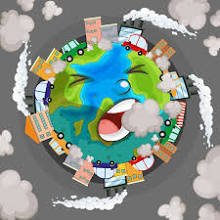
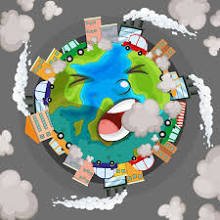
Clean Oceans, Healthy Bodies: The Ripple Effect of Marine Conservation
When we stand on the shore, the ocean seems vast and indestructible. However, the health of our oceans is intrinsically linked to our own physical well-being. The phrase “out of sight, out of mind” no longer applies to marine pollution; what we dump into the sea eventually finds its way back to our dinner tables and into our bloodstream.
1. The Seafood Connection and Human Health
For billions of people, the ocean is the primary source of protein. However, as we pollute marine ecosystems, we contaminate our own food supply.
- Bioaccumulation of Toxins: Heavy metals like mercury and lead are absorbed by small organisms and become increasingly concentrated as they move up the food chain. When humans consume top predators like tuna or swordfish, they ingest concentrated doses of these toxins.
- Microplastics: These tiny plastic particles are now found in everything from sea salt to shellfish. Emerging research suggests that microplastics can cause inflammation and oxidative stress in human tissues.
2. The Ocean as a “Global Lung”
We often think of rainforests as the lungs of the planet, but marine conservation is equally vital for the air we breathe.
- Oxygen Production: Prochlorococcus and other phytoplankton produce an estimated 50% to 80% of the Earth’s oxygen.
- Carbon Sequestration: Oceans act as a massive carbon sink. By protecting marine life—specifically “blue carbon” habitats like mangroves and seagrasses—we help regulate the global climate, reducing the heat-related respiratory and cardiovascular issues caused by global warming.
3. The Pharmacy of the Deep
Marine biodiversity is a frontier for medical breakthroughs. Many life-saving medicines are derived from organisms found in healthy coral reefs and the deep sea.
- Cancer Research: Compounds found in sea sponges and tunicates are being used to develop treatments for leukemia and breast cancer.
- Antibiotic Resistance: As land-based bacteria become resistant to drugs, scientists are looking to marine microbes for the next generation of antibiotics.
- The Cost of Loss: When we lose marine biodiversity to pollution or acidification, we potentially lose the cure for the next great pandemic before it is even discovered.
4. Mental Well-being and “Blue Space”
The ripple effect isn’t just physical; it’s psychological. Extensive studies show that proximity to healthy “blue spaces” (coastal areas) significantly reduces cortisol levels and improves mental health.
The Blue Mind Effect: A term coined by marine biologists to describe the mildly meditative state we enter when near, in, or under water.
A polluted, plastic-strewn beach does not offer these same restorative benefits. Conservation ensures that these natural sanctuaries remain available for future generations to recharge and heal: A Shared Future
Marine conservation is not a “niche” environmental issue; it is a public health necessity. Every piece of plastic we keep out of the water and every hectare of coral reef we protect is an investment in human longevity. When we heal the ocean, we heal ourselves.
Would you like me to create a summary of this article in the form of an infographic outline or a series of social media posts to help spread awareness?

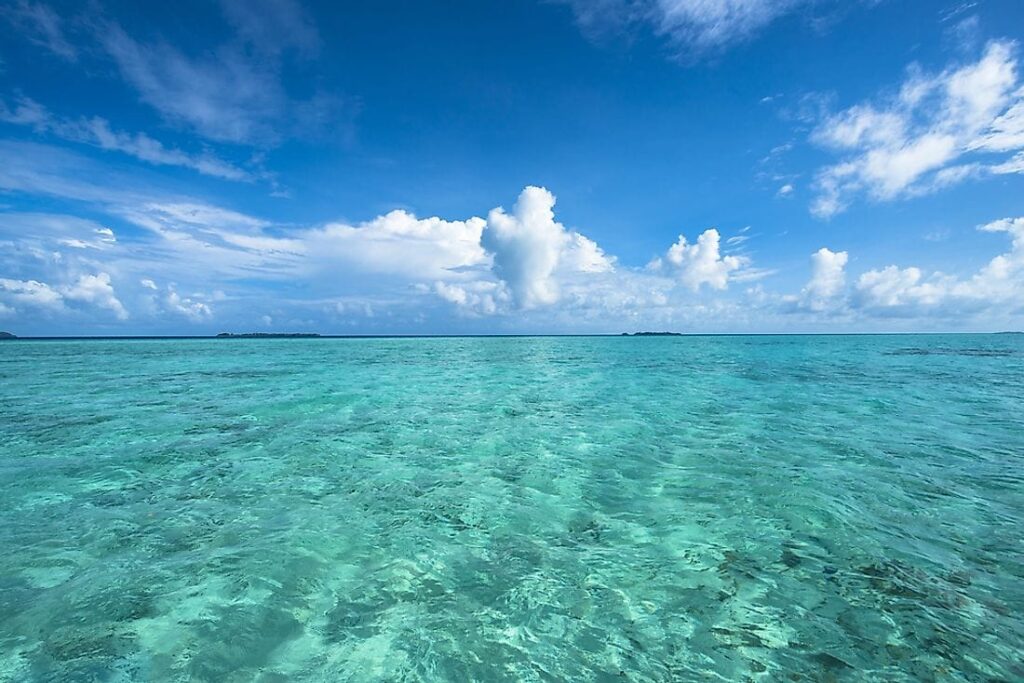
Marine conservation plays a pivotal role in sustaining the health of our oceans, which directly impacts human health and well-being. By protecting marine ecosystems, we prevent pollution, safeguard biodiversity, and preserve resources that are vital for both ecological balance and human survival. A cleaner ocean contributes to a healthier planet and a healthier population
The Connection Between Healthy Oceans and Healthy Bodies
When we think of the ocean, it’s easy to forget how intimately our health is connected to its well-being. Our oceans are a source of food, air, and even medicine. They provide an abundance of seafood, which forms a staple in many diets, and are crucial to the production of oxygen. Phytoplankton, tiny organisms that live in the ocean, contribute around 50% of the Earth’s oxygen supply. Moreover, oceans regulate our climate by absorbing large amounts of carbon dioxide.
As oceans face growing threats from pollution, overfishing, and climate change, the impacts begin to reach far beyond marine life. Toxic pollutants, such as plastics, pesticides, and industrial chemicals, seep into the water, harming both aquatic species and the humans who rely on these resources. Seafood contaminated with heavy metals and toxins, like mercury, can lead to a range of health problems for consumers. Similarly, pollutants such as oil spills can devastate marine life and compromise the food chain.
The Importance of Marine Conservation
Marine conservation is about ensuring that our oceans remain vibrant, rich in biodiversity, and capable of providing for the needs of future generations. The threats to the oceans have compounded over the years, with human activities exacerbating the problem. However, with concerted effort, it is possible to reverse some of the damage and restore the oceans to a healthier state.
Reducing Ocean Pollution
One of the most pressing issues facing our oceans is pollution, especially plastic waste. Every year, millions of tons of plastic waste enter the ocean, harming marine animals and ecosystems. Marine creatures often mistake plastic for food, leading to injuries, starvation, and death. Furthermore, plastic breaks down into microplastics, which can enter the food chain and eventually be consumed by humans. This form of pollution poses a significant threat to public health.
Efforts to reduce ocean pollution focus on curbing the use of single-use plastics, improving waste management practices, and promoting recycling. Marine clean-up initiatives, like those carried out by organizations such as The Ocean Cleanup, aim to remove large amounts of plastic waste from the ocean. These efforts are vital for protecting marine species and ensuring the health of the ecosystems that support both marine and human life.
Protecting Marine Biodiversity
Healthy marine ecosystems, such as coral reefs, mangroves, and seagrasses, play an essential role in the overall health of the ocean. They provide habitats for a wide range of species and act as natural buffers against climate change, such as reducing the impact of storms and rising sea levels. By protecting these ecosystems, we preserve not only marine life but also the essential services they provide to humans.
For example, coral reefs support more species of fish than any other ecosystem on the planet, making them essential to global food security. Mangroves and seagrasses act as nurseries for many marine species, helping to maintain fish populations that are vital for food and economic purposes.
Sustainable Fishing Practices
Overfishing is another major concern that affects the health of the ocean. Unsustainable fishing practices, such as illegal, unreported, and unregulated (IUU) fishing, deplete fish populations, disrupt ecosystems, and harm biodiversity. The depletion of fish stocks has direct consequences for human communities that rely on fishing for their livelihoods and for nutrition.
Marine conservation efforts emphasize the importance of sustainable fishing practices, such as adhering to catch limits, protecting breeding grounds, and promoting aquaculture. By maintaining healthy fish populations, we ensure the stability of marine ecosystems and the long-term availability of seafood.
The Ripple Effect: How Marine Conservation Benefits Human Health
The benefits of marine conservation extend far beyond the ocean. The ripple effect of maintaining healthy oceans influences air quality, food security, and even mental well-being.
Air Quality
As mentioned, phytoplankton plays a significant role in producing oxygen. By safeguarding marine ecosystems, we help preserve this essential process, ensuring the continuous production of oxygen and the regulation of the Earth’s climate. Healthy oceans also act as carbon sinks, absorbing carbon dioxide and mitigating the effects of global warming. Food Security
Marine ecosystems provide food for billions of people around the world. Seafood is an important source of protein, vitamins, and essential nutrients. By protecting marine biodiversity and ensuring sustainable fishing, we can help ensure food security for future generations. Overfishing, pollution, and habitat destruction threaten the availability of seafood, putting vulnerable populations at risk of malnutrition and food insecurity.
Mental Health and Well-being
The ocean has long been associated with healing and relaxation. The sound of waves, the sight of the horizon, and the calming effect of the sea contribute to mental health and emotional well-being. Access to clean, vibrant oceans provides opportunities for people to connect with nature, reduce stress, and enjoy outdoor activities. Preserving the oceans, therefore, not only benefits the environment but also improves the quality of life for individuals.
Climate Change Mitigation
Healthy oceans act as a buffer against climate change. They regulate temperatures, absorb excess heat, and mitigate the effects of rising carbon emissions. By protecting marine ecosystems and promoting conservation efforts, we can contribute to the fight against climate change and reduce its impacts on human populations, particularly those in coastal areas.
Conclusion
Marine conservation is not a distant or abstract issue; it is directly linked to the health and well-being of humanity. By prioritizing the protection of our oceans, we are safeguarding our own future. Clean oceans lead to healthy bodies, secure food sources, and a balanced climate. We all have a role to play in this global effort, whether through reducing waste, supporting sustainable fishing, or advocating for stronger environmental protections.
The ripple effect of marine conservation is profound, and it underscores the interconnectedness of all life on Earth. As stewards of the planet, it is our responsibility to act now and ensure that the oceans remain a source of life, health, and prosperity for generations to come.
QnA Section
Ques 1: Why are the oceans important for human health?
Ans: Oceans provide food, oxygen, and climate regulation. They also support biodiversity that sustains ecosystems essential to human survival. Healthy oceans help ensure food security, air quality, and mitigate climate change.
Ques 2: What is marine conservation?
Ans: Marine conservation involves protecting ocean ecosystems and marine life from human harm, reducing pollution, preserving habitats, and ensuring sustainable use of ocean resources.
Ques 3: How does pollution affect human health?
Ans: Pollution in the oceans, particularly plastic and chemical waste, can enter the food chain, contaminating seafood with toxins and pollutants that can harm human health when consumed.
Ques 4: What can individuals do to help marine conservation?
Ans: : Individuals can reduce plastic use, recycle, support sustainable seafood practices, participate in beach clean-ups, and advocate for policies that protect marine ecosystems.
Ques 5: How does overfishing impact human health?
Ans: Overfishing depletes fish stocks, threatening food security and economic stability for communities that rely on fishing. It also disrupts marine ecosystems, which impacts biodiversity and food sources for future generations.

