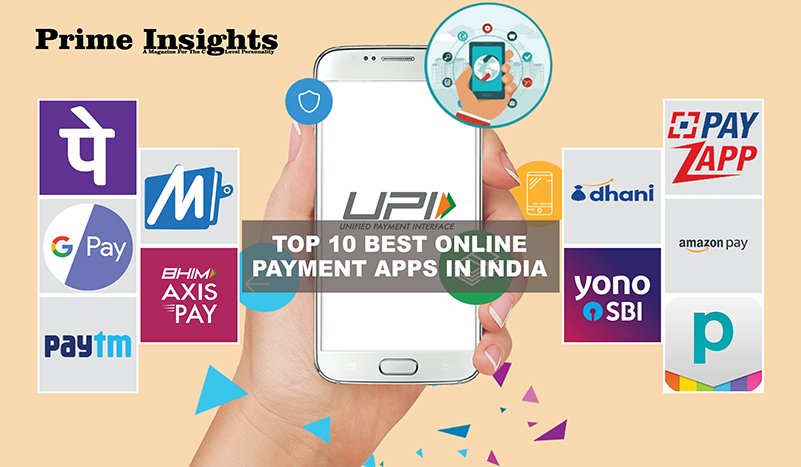
Digital Payments in India: BHIM, Paytm, Net Banking & Payment by Bank
India’s digital payment revolution is anchored by several key methods—BHIM (Bharat Interface for Money), Paytm, Net Banking, and direct Bank Payments. This comprehensive article (approx. 2,500 words) explores how each works, their advantages, disadvantages, and which apps are best suited for different needs.
1. Overview: How Each Method Works
1.1 BHIM (Bharat Interface for Money)
- What it is: A UPI-based app developed by NPCI, launched in December 2016 to promote cashless, direct bank transfers Wikipedia.
- How it works: Links your bank account via UPI. You can send/receive money using UPI ID, mobile number, QR code, or Aadhaar authentication WikipediaWorldline.
- Offline capability: Supports *99# USSD-based payments for feature phones—no internet needed prabirmandal.comLegalTree.
- Transaction limits: Initially ₹20,000 per day; some banks offer higher limits post-KYC Hindustan TimesTestbook.
1.2 Paytm
- What it is: A fintech giant offering UPI, wallet, payments bank, bill payments, QR, and merchant services Wikipedia.
- How it works: Supports multiple modes—add funds to wallet, use UPI ID, QR codes, or net banking. Features like Soundbox and in-store devices extend usability WikipediaThe Economic Times.
- Ecosystem features: Offers ticketing, shopping, financial products alongside payments Paisa SeekhoWikipedia.
1.3 Net Banking (Online Bank Transfers)
- Traditional method where you log into your bank’s portal/app, initiate transfers (NEFT, RTGS, IMPS) via account number and IFSC.
- Secure but limited to banking hours (for NEFT/RTGS) unless IMPS.
1.4 Payment by Bank (Direct UPI via Bank Apps)
- Many banks offer their own UPI-enabled apps (e.g., SBI YONO, Axis Pay) to send/receive money similar to BHIM/Paytm, with features tied to their banking services.
2. Benefits & Strengths
2.1 BHIM
- Government-backed & direct: Developed by NPCI, linking directly to banks—minimal intermediaries Public MitraAbrition.
- Simplicity: Clean interface, fast loading, minimal distractions Public MitraFinWiz24.
- Security: Multi-layer authentication, UPI PIN, device binding, biometric support AbritionPublic Mitra.
- Offline access: Enables payments without internet using *99# prabirmandal.com.
- Free and wide coverage: No charges for most transactions, and supports all UPI-enabled banks WikipediaSmartprix.
2.2 Paytm
- Feature-rich ecosystem: One-stop app for UPI, wallet, shopping, bill pay, ticketing, investments Paisa SeekhoWikipedia.
- Innovations: QR codes, Soundbox, scan & pay widgets, Excel statements, privacy features—industry-leading usability The Economic Times.
- Deep merchant integration: Widely accepted by merchants across India.
- International UPI transfers: Works in several countries including UAE, Singapore, France, etc. .
2.3 Net Banking
- Room for complex transactions: Suitable for large transfers, bill scheduling, detailed debit/credit tracking.
- High limits: Often higher limits for bank-to-bank transfers.
2.4 Bank UPI Apps
- Brand trust & integration: Often pre-linked with bank accounts and familiar UI.
- Bank-specific services: Loan EMI, account insights directly within app.
3. Cons & Limitations
3.1 BHIM
- Limited features: No offers, cashback, or shopping options SmartprixLegalTree.
- Lower transaction limits: ₹20k/day unless promos or higher bank limit Hindustan TimesTestbook.
- Minimal customer support or notifications Smartprix.
- Potential outages or lag at high traffic times FinWiz24.
- Security concerns: In 2020, a third-party data leak incident occurred—though not directly from BHIM/NPCI—raising vigilance Wikipedia.
3.2 Paytm
- Regulatory hurdles: Paytm Payments Bank was barred from new user onboarding as of March 2025 due to compliance concerns Wikipedia.
- Heavy app design: Many features and ads make the interface overwhelming Paisa Seekho.
- Security reliance: Wallet access may not require PIN, making it vulnerable if phone is unlocked Abrition.
- Regulatory dependence: Needs approval to onboard users—past RBI clampdowns affected operations Reuters+1.
3.3 Net Banking
- Time constraints: NEFT/RTGS not available 24×7.
- Not mobile-first: Slightly less convenient for quick QR or UPI transactions.
- Less intuitive UI: Often complex for new users.
3.4 Bank UPI Apps
- Limited to single bank: Managing multiple bank accounts requires separate apps.
- Fewer features than Paytm: Usually functional but not as feature-rich.
3.5 General Digital Payment Cons
- Tech dependency: Requires smartphones and internet—rural/older users may struggle Biznext.
- Cybersecurity threats: Risk of fraud, phishing (elder fraud via BHIM example exists) The Times of IndiaBiznext.
- Privacy concerns: Data from third-party apps might be monetised Reddit.
- Merchant acceptance not universal: Some places still prefer cash Biznext.
4. User Sentiments & Real-world Cases
- Paytm continues innovating: Its latest product upgrades reinforced trust and usability The Economic Times.
- Fraud instance: An 86-year-old victim lost ₹2 lakh via BHIM after contacting a fake helpline—emphasises need for vigilance The Times of India.
- Modern crime adaptation: In Ludhiana, robbers forced a victim to pay ₹7,200 via Paytm—digital theft scenarios are evolving The Times of India.
5. Which Apps Are Best?
| Use Case | Recommended App(s) | Why? |
|---|---|---|
| All-rounder ecosystem | Paytm, PhonePe, Google Pay | Feature-rich, merchant acceptance, add-ons. |
| Simplistic, secure bank transfers | BHIM | Lightweight, government-backed, direct UPI. |
| Multiple bank account access | BHIM, Bank UPI Apps | Manage different accounts with one interface. |
| Occasional payments/no internet | BHIM (*99#) | Works on feature phones, no internet needed. |
| Large value transfers, scheduling | Net Banking | Suitable for planned high-value transfers. |
| Shopping, investments | Paytm | One-stop for payments + financial services. |
6. Recommendations for Users
- Install multiple apps: Use BHIM for quick UPI, Paytm for all-inclusive experience, and bank app for account-specific tasks.
- Enable security: Always set PINs, lock app, avoid sharing OTP or details.
- Learn USSD option: Know *99# if internet isn’t available.
- Stay updated: Install apps from official stores and update often.
- Mind data sharing: Be wary of privacy—use trusted or essential apps only.
Conclusion
India’s explosion in digital payments is powered by options like BHIM (simple, direct, secure), Paytm (feature-dense and widely accepted), Net Banking (reliable for high-value transfers), and Bank UPI Apps (integrated banking services). Each serves distinct needs—from rural accessibility via BHIM’s USSD to rich ecosystems offered by Paytm.
For most users, a combination—BHIM for streamlined transfers, Paytm for commerce convenience, bank apps for statements and planned payments—provides the optimal blend of security, functionality, and flexibility.
