


Gular Tree: A Multi-Purpose Fig with Food, Medicinal,
Gular Tree: A Multi-Purpose Fig with Food, Medicinal, and Ecological Value
The Gular tree, scientifically known as Ficus racemosa, is a well-known species across India. It belongs to the fig family and is valued for its edible fruit, medicinal properties, and environmental benefits. Often found in villages, near rivers, and along roadsides, the Gular tree plays an important role in both rural life and natural ecosystems.
Physical Features and Growth
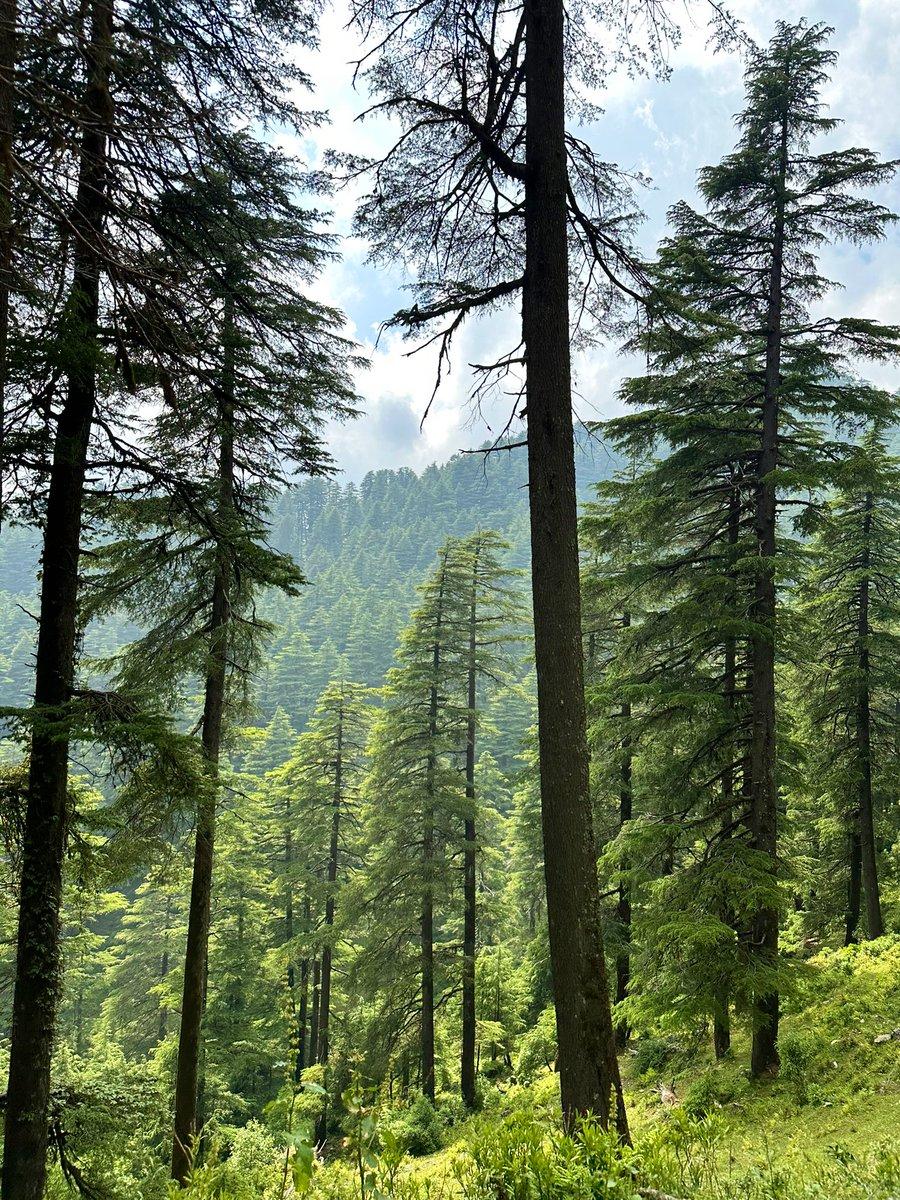
Gular is a medium to large-sized tree that can grow up to 15–20 meters tall. Its canopy spreads widely, providing light but comfortable shade—not too dense, allowing airflow and partial sunlight to pass through.
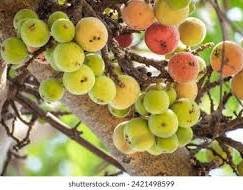
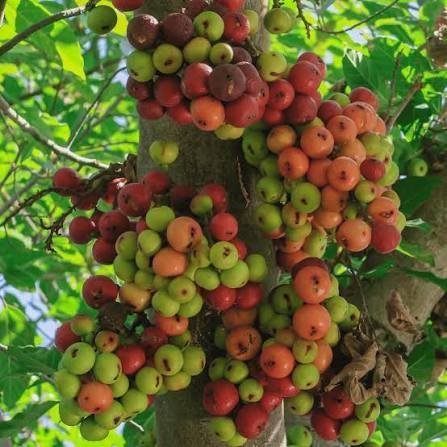
One unique feature of this tree is that its fruits grow in clusters directly on the trunk and main branches. These fruits are round, green when raw, and turn reddish as they ripen.
Edible Fruit and Food Uses
The fruit of the Gular tree is edible and has been traditionally consumed in many parts of India. It is used in:
Vegetable dishes when raw
Traditional recipes and pickles
Sometimes eaten ripe for its mild sweetness
Though not as commercially popular as other fruits, it remains an important local food source.
Medicinal Importance
In traditional systems like Ayurveda, Gular is considered highly beneficial:
Fruits: Help in digestion and control blood sugar
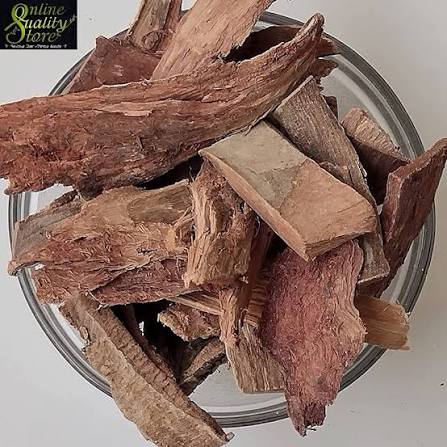
Bark: Used for treating wounds, diarrhea, and inflammation
Latex (milky sap): Applied on skin problems
Leaves: Used in herbal remedies
It is believed to have antibacterial and anti-inflammatory properties.
Uses Beyond Food and Medicine
The Gular tree is useful in several other ways:
Fodder: Leaves are fed to livestock
Wood: Though not very strong, it is used for light furniture, packing cases, and fuel
Religious Use: In some regions, it is associated with spiritual practices
Cultivation and Distribution
Gular trees grow naturally in tropical and subtropical climates. They are commonly found in:
India (especially Uttar Pradesh, Bihar, Madhya Pradesh, and Rajasthan)
Nepal, Sri Lanka, and Southeast Asia
They are not usually grown in large commercial plantations like mango or banana. Instead, they grow naturally or are planted locally. Because of this, exact percentages of cultivation, export, and import are low and not clearly defined. Most of the use is local consumption rather than international trade.
Export and Economic Value
Unlike major fruits, Gular is not a large export commodity. Its economic value lies more in:
Local markets
Traditional medicine
Rural usage
So, export and import percentages are very small compared to commercial crops.
Lifespan of the Gular Tree
The Gular tree is known for its long life. Under suitable conditions, it can live for:
50 to 100 years or more
This long lifespan makes it an important part of the local environment for generations.
Environmental Benefits
Gular trees are highly beneficial for nature:
Provide food for birds, monkeys, and insects
Help maintain biodiversity
Improve soil quality
Offer shade and cooling effect in hot climates
Is Its Population Declining?
The Gular tree is still commonly found in many rural areas, but in urban regions, its numbers are decreasing due to:
Urbanization
Cutting of trees for development
Lack of awareness about its benefits
Conclusion
The Gular tree is a valuable natural resource that offers food, medicine, shade, and ecological support. Though not widely commercialized, its importance in rural life and traditional systems is significant.
Protecting and planting Gular trees can help preserve biodiversity and ensure that future generations continue to benefit from this versatile and long-living tree.
o