

Maida and Corn Flour Sach White poison or necessity .
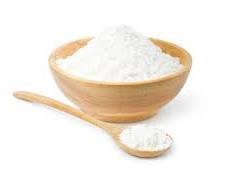
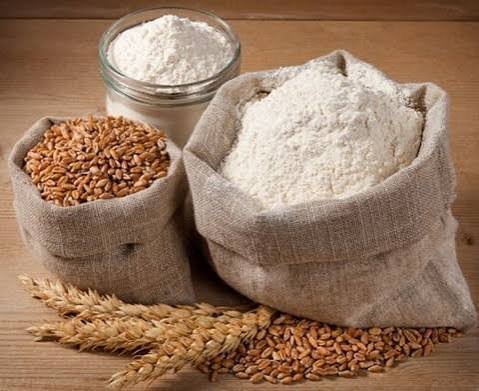
Among the most widely used items in the food market today, if any have gained rapid popularity, it’s maida and corn flour. Whether it’s Chinese food, bakery items, pizza and burgers, biscuits and cakes, or roadside snacks—maida is used almost everywhere.
Many people are unknowingly consuming maida daily for its taste and convenience. But increasingly, questions are being raised about whether maida is harmful to the body? Is it causing various diseases? And is the modern fast-food culture taking a toll on people’s health?
What is Maida?
Maida is made from wheat, but it’s highly refined. The fiber, bran, and many nutrients are removed. The white powder that remains is called maida.
Corn flour is made from corn and is used to thicken sauces, soups, and Chinese dishes.
The problem increases when these refined things are consumed more than required.
Why is there flour in every dish today?
Maida is the most widely used product in the market today because:
It is cheaper
Gets ready quickly
Makes food soft and attractive
bakery products last longer
Easy to use in restaurants and fast food chains
That’s why today:
Pizza
Burger
Momos
Chowmein
Pasta
Biscuits
Cakes
Bhature
Little girl
Patties
Samosa
Jalebi
Kachori
Mathri
Papdi
Bakery bread
Maida is being used in countless things like this.
Children are eating the most refined flour
Today’s children love biscuits, noodles, pizza, burgers, and bakery snacks. The variety of items made with flour has become so abundant in the market that they have become a daily staple in many homes.
Many children eat biscuits in the morning, snack at school, and fast food in the evening. Gradually, the body is becoming deprived of fiber and natural nutrition.
What harm can Maida cause to the body?
Eating too much maida is linked to several health problems:
- Constipation and digestive problems
Maida is very low in fiber, which can slow digestion and increase constipation.
- Weight Gain Aur Obesity
Fast food and bakery items are high in maida, oil, sugar, and salt, which can lead to rapid obesity.
- Risk of Sugar and Diabetes
Refined flour is digested quickly, which can cause a rapid increase in blood sugar.
- Acidity and Gas
Many people feel heaviness, acidity and bloating after eating Maida items.
- Piles and Piles
Persistent constipation can increase the risk of problems like piles.
- Heart Problems
Deep-fried maida foods also contain unhealthy fats that can affect heart health.
Are stones also caused by flour?
Maida alone is not directly considered to be the cause of kidney stones, but unhealthy diet, drinking less water, too much processed food and imbalanced eating habits can affect the body.
If a person:
Eat a lot of fried food
drink less water
Reduce physical activity
Eat more processed food
So both kidney and digestion can be affected.
Why do we hear news of instant death?
Sometimes there are reports of people becoming unwell or suffering from food poisoning after eating outside food. This isn’t just due to the ingredients in the food.
The real reasons are often these:
bad oil
reheated oil
dirty water
unhygienic kitchen
expired ingredients
food contamination
If Maida based food is prepared in an unhygienic manner, the danger may increase further.
Should Maida be completely banned?
No. It all depends on the quantity. Occasionally, it’s okay, but consuming a heavy diet of maida on a daily basis can be harmful.
A little caution is necessary
Avoid fast food every day
Choose whole wheat options
Eat a fiber-rich diet
Eat fruits and salad
Drink more water
Limit bakery items to children
Eat more fresh home-cooked food
Pros and Cons
Pros
Gives a soft texture
Bakery products become tasty
Gets ready quickly
Affordable in the food industry
Cons
Fiber is low
Overeating is easy
May increase weight gain
May impair digestion
Processed food increases dependency
Our tradition and today’s food culture
In the past, households consumed wheat, millet, barley, maize, and coarse grains. Today, packaged foods and instant snacks have significantly altered traditional food habits.
Yet many Indian dishes like gujiyas, mathris, samosas, or kachoris are part of festivals and tastes. The problem arises when occasional foods become everyday habits.
Taste is important, but physical health is even more important. Therefore, balance, moderation, and clean eating are of paramount importance.