
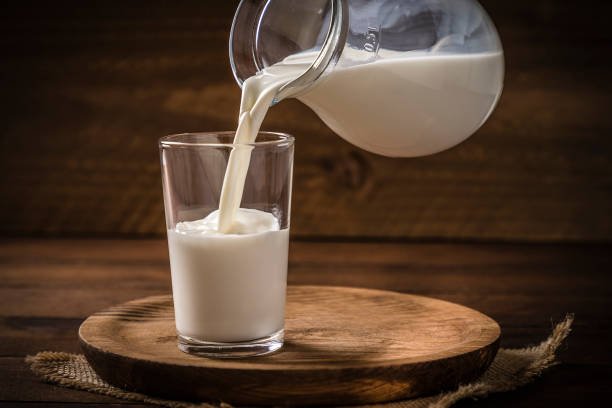
India is known as the largest milk producer in the world, and milk plays a central role in the country’s nutrition, economy, and culture. From sweets and curd to chocolate and milk powder, milk is used in hundreds of products. At the same time, India also produces and sells thousands of beverage products, including cold drinks, flavored milk, and packaged drinks. This raises an important question: Is India really producing that much milk? Are products pure, or is adulteration increasing? Why are so many drinks and dairy products available everywhere?
This article explains the real facts about milk production, exports, adulteration, and beverage manufacturing in India.
1. India: The World’s Largest Milk Producer
India is the largest milk-producing country globally, surpassing nations like the United States and China.
Key Milk Production Statistics
- India produces over 230 million tonnes of milk annually (2023–2024 estimates).
- This accounts for nearly 24–25% of global milk production.
- Milk production in India has been growing at 5–6% annually.
- More than 80 million farmers are involved in dairy farming.
Organizations like National Dairy Development Board have helped transform India into a dairy powerhouse through programs like Operation Flood, which made India self-sufficient in milk.
Why India Produces So Much Milk
- Large population with high demand
- Strong dairy farming tradition
- Cooperative systems like Amul
- Government support and subsidies
- Milk is part of daily diet (tea, sweets, curd, etc.)
2. Milk Is Used to Make Hundreds of Products
Milk is not consumed only as liquid. It is converted into many products, such as:
Dairy Products Made from Milk
- Curd (Dahi)
- Butter
- Ghee
- Cheese
- Paneer
- Milk powder
- Ice cream
- Chocolate
- Sweets like rasgulla, barfi, peda
- Flavored milk
- Yogurt drinks
Companies like Nestlé and Mother Dairy manufacture many milk-based products.
Nearly 35–40% of milk produced in India is processed into other dairy products, while the rest is consumed as fresh milk.
3. Export of Milk and Dairy Products to Other Countries
India exports dairy products to more than 100 countries.
Major Exported Products
- Milk powder
- Ghee
- Butter
- Cheese
- Casein (milk protein)
- Traditional Indian sweets
Major Importing Countries
- Bangladesh
- UAE
- Saudi Arabia
- Nepal
- Bhutan
- USA
- Singapore
India exports dairy products worth over $600–800 million annually.
However, India consumes most of its milk domestically, and only 0.5–1% of milk production is exported.
4. Milk Powder: Why Is It So Common?
Milk powder is widely used because:
- It lasts longer than fresh milk
- Easy to transport
- Used in chocolates, sweets, and baby food
- Used in bakeries and food processing
India produces over 700,000–800,000 tonnes of milk powder every year.
Milk powder is also used when milk supply is high. Excess milk is converted into powder to prevent waste.
5. Milk Adulteration: A Serious Concern
One major concern in India is milk adulteration.
Common Adulterants Found in Milk
- Water
- Starch
- Detergent
- Urea
- Synthetic chemicals
According to surveys by Food Safety and Standards Authority of India, about:
- 5–10% of milk samples show adulteration
- Most adulteration is dilution with water
- Synthetic milk exists but is less common
Why Adulteration Happens
- To increase quantity and profit
- High demand for milk
- Lack of strict monitoring in some areas
- Local vendors trying to earn more
However, milk from organized brands like Amul, Mother Dairy, and Nestlé is generally safer due to strict quality checks.
6. Synthetic Milk and Milk-Like Products
Synthetic milk is made using chemicals, water, and fats instead of real milk.
Reality of Synthetic Milk in India
- Exists in small illegal operations
- Not widespread in organized dairy sector
- Mostly found in unregulated local supply chains
Government agencies regularly conduct raids and quality testing.
7. Massive Growth of Sweet and Dairy Products Industry
India’s dairy industry is worth over ₹18–20 lakh crore ($220–250 billion).
Reasons for Growth
- Large population
- High demand for sweets
- Growing middle class
- Urban lifestyle
- Increased packaged food consumption
Every city and village has shops selling dairy products because demand is extremely high.
8. Cold Drinks and Beverage Industry: Why So Many Products?
India’s beverage market has grown rapidly in the last 20 years.
Major companies include:
- Coca‑Cola
- PepsiCo
They produce:
- Soft drinks
- Fruit drinks
- Energy drinks
- Flavored milk drinks
- Packaged juices
Why So Many Beverage Products Exist
- Huge population
- Youth population increasing
- Urban lifestyle
- High demand in hot climate
- Strong marketing and advertising
India’s beverage market is worth over ₹80,000–90,000 crore annually.
9. Are All Beverage Products Real and Safe?
Most branded beverages are safe and regulated.
However, some concerns exist:
Problems Found Occasionally
- Excess sugar
- Artificial flavors
- Low fruit content
- Cheap local fake brands
Branded companies follow safety standards, but local unregulated products may be unsafe.
10. Why Is There So Much Production?
You may wonder why production is so high.
Main Reasons
1. Population Size
India has over 1.4 billion people, so demand is massive.
2. High Consumption Culture
Milk, tea, sweets, and beverages are part of daily life.
3. Economic Growth
People have more money to spend.
4. Business Opportunities
Dairy and beverage industries create millions of jobs.
5. Long Shelf-Life Products
Milk powder, packaged drinks, and sweets last longer, so companies produce more.
11. How Much Milk Is Consumed vs Produced?
Approximate Breakdown
- 50–55% consumed as fresh milk
- 35–40% converted into dairy products
- 5–10% used in industry (chocolate, bakery)
- Less than 1% exported
India consumes most of its own milk.
12. Organized vs Unorganized Sector
India’s dairy industry has two parts:
Organized Sector (Safe and Regulated)
- Amul
- Mother Dairy
- Nestlé
- Britannia
Accounts for about 30–35% of total milk
Unorganized Sector
- Local vendors
- Small dairy farms
Accounts for 65–70% of milk supply
Adulteration risk is higher in the unorganized sector.
13. Is Overproduction Happening?
India is not facing serious overproduction problems because demand is very high.
However, companies produce extra milk powder and beverages to:
- Store for future use
- Export
- Avoid milk wastage
14. Economic Importance of Milk Industry
Milk industry supports:
- 80 million farmers
- Millions of workers
- Transportation sector
- Sweet shops
- Food manufacturing
It is one of the largest employment sectors in India.
15. Reality: Truth vs Myth
Truth
- India produces huge quantities of milk
- Most milk is real and safe
- Dairy industry is well regulated
- Exports exist but are limited
Concerns
- Some adulteration exists
- Synthetic milk exists in rare illegal cases
- Local unregulated products may be unsafe
- Sugary drinks may not be healthy
Conclusion
India’s milk and beverage industry is massive, powerful, and essential to the country’s economy and nutrition. India produces more milk than any other country, and it is used to create hundreds of dairy products, sweets, and beverages. Most milk and branded products are safe, especially those from organized companies.
However, adulteration still exists in some areas, and consumers should buy from trusted brands and reliable sources. The large number of beverage products and dairy items is mainly due to high demand, population growth, and business expansion—not necessarily fake production.
Milk remains one of the most important and valuable food resources in India, supporting millions of livelihoods and feeding billions of people every day.

