

Introduction
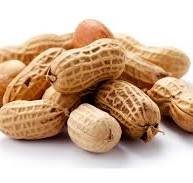
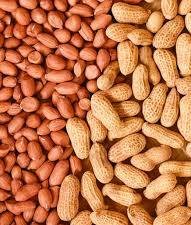
When winter arrives, one snack becomes almost everyone’s favorite — pe, known as“mungfali” in Hindi
This article explains in detail why pea, their benefits, where they are found,how they are cultivated, if they are sold outside India, how much benefi, how peanut-based sweets help, and how many dishes ca.
सर्दियों में मूंगफली इतनी अच्छी क्यों होती है?

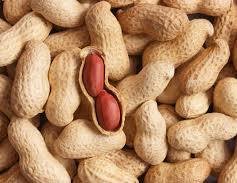
Peanuts feel especially good in winter because they provide warmth and energy to the body heat (ushna) when digested.
1. High in Healthy Fats
During winter, the bidy burns more energy to stay warm. Peanuts contain good fats that’s supply slow -burning en
2. Boosts Immuni
Cold weather weakens immunity and increases the risk of flu, cough, or cold. Peanuts are rich in vitamin E, zinc, and, which strengthen th
3. Keeps Skin and Hair Healt
In winter, skin becomes dry due to cold air. Peanuts contain vit that nourish the skin and maintai
4. Gives Satiety
Peanuts are full of protein and fiber. Eating a s
Nutritional Valu
Here some valu of nuts
| Nutrient | Amount |
|---|---|
| Energy | 567 kcal |
| Protein | 25–26 g |
| Fat | 49 g |
| Ca | 16 g |
| Fib | 8 g |
| Calciu | 92 m |
| Iron | 4.5 |
| Vitamin | 8 m |
| Magnesium | 168 mg |
So, peanuts are not just a snack — they’re a powerhouse of nutrition.
Where Peanuts Are Fou
Peanuts are believed to have originated in South A, mainly Brazil and Peru. The native people there used peanuts thousands of yAfrica, Asia,.
Today, peanuts are grown in more. The top peanut-producing countries are:
- China – the largest producer in the world
- India – second largest pro
- Nigeria
- United States (USA
- Indonesia
- Ar
- Myanmar
- Sudan
- Senegal
- Brazil
Peanut Cultiv
In India, peanuts are widely cultivated in:
- Guja – the largest producer
- Andhr
- Tamil Nadu
- Rajasthan
- Karnataka
- Madhya Pradesh
- Maharashtra
Peanuts grow well in sandy loam soil and need warm climate and moderate rai. They Are october and December, making them a perfect winter cr.
The peanut plants is a legume, not a Trgroundnuts.
Peanuts Outside India
Yes, peanuts are not limited to India. They are a global crop and sold
In fact:
- China and USA ex
- India exports to Indonesia, Vietnam, Malaysia, Japan, and t.
- In Africa, countries like Nig
- In Western countri, peanuts are used mainly for peanut butter and snack products.
So, peanuts are an international food product—grown locally, sold globally.
Econ
Peanuts are very profitable for farmers and traders because:
- The yield is high compared to many other crops.
- Every part of the plant is useful — pods for food, shells for fuel, and oil for cooking.
- The demand is strong year-round for peanuts
For example, in India, 1 acre of peanut cultivation can yield around 1.5 to 2 tons of peanuts, generating good income for farmers.
India also earns millions of dollars each year by ex to foreign markets.
Health Benefits of Peanuts
1. Heart
Peanuts lower bad cholesterol (LDL) and improve good cholesterol (HDL). They are rich in resveratrol,
2. Helps in Weigh
Though high in calories, peanuts make you feel full quickly. Studies show that eating moderate peanuts helps in weight management rather than causing obesity.
3. P
Peanuts have a low glycemic index, mea
4. Improves
Peanuts contain niacin, folate, and vitamin B1, which are vital for
5. Good for Bones
The presence of phosphorus, magnesium, and calcium strengthens bones and teeth.
6. Red
Peanuts are a natural source of tryptophan,
Possible Side Effects (Disadvantages)
While peanuts are healthy, too much can be harmful.
- High Calories: Overeating can lead to weight gain.
- Allergies: Some people are allerg
- Aflatoxin Risk: If stored improperly, peanuts may grow a mold called Aspergillus flavus which produces aflatoxin, a harmful toxin.
- Digestive Iss Excess consumption can cause gas or acidity.
- Salted or Fried Peanuts: These
So, moderation is the key — about 30–50 grams per day is ideal.
Are Peanut-Based S
Yes — if made properly and eaten in moderation, peanut sweets are in win
Popular Peanut Sweets in India:
- Moongfali Chikki (Peanut Brittle):
M - Peanut Ladoo:
Crushed pea - Peanut Burfi:
Soft dessert made with ghe - Peanut Halwa:
Rich in calories and taste, eaten during cold win
These sweets combine the power of jaggery + peanuts, both of which are winter superfoods that provide warmth, strength, an
However, sweets made with too much sugar or oil should be
Popular Peanut Dishes
Peanuts are extremely versatile — they are used
Indian Dishes
- Peanut chutney (South India)
- Poha with roasted pean
- Groundnut curry (Maharashtra)
- Peanut masala chaat
- Peanut sabzi
- Peanut kadhi
- Peanut laddoo and chikki
- Peanut oil for frying and cooking
International Dishes
- Peanut Butter Sandwich (USA)
- Thai Peanut Sauce with Noodle
- African Groundnut Soup (Nigeria, Ghana)
- Chinese Kung Pao Chicken with Peanuts
- Peanut Cookies and Candies (Europe)
- Peanut Bars and Snacks (Latin America)
Thus, peanuts are not just Indian — they are part of world cuisine.
How Peanuts Are
- Soil Preparation:
Light, sandy, wel - Sowing:
Seeds (kernels) are sown about 2 inches deep after monsoon rains. - Flowering and Pegging:
The yellow flowers app - Harvesting:
After about 100–130 days, plants are uprooted and d - Shelling and Storage:
Peanuts are removed from po - Uses:
For oil extraction, snacks, sweets, butter, and animal feed.
Peanuts in Ayurveda and Culture
In Ayurveda, peanuts are considered “Snigdha” (oily), “Guru” (heavy), and “Ushna” (warm) in nature.
That’s why they are recommended during winter and avoided in hot seasons.
Peanuts are also considered a symbol of prosperity in Indian culture — often distributed in temples or festive gatherings.
Environmental Benefits
Peanut plants naturally enrich the soil because they are n. They improve soil fertility and reduce the need for chemical fertilizers — making them a sustainable crop.
Conclusion
Peanuts are not just a snack — they are a complete winter package of health, energy, trad.
- They keep the body warm during cold months.
- They are full of protein, vitamins, and minerals.
- They are grown in many countries and support farmers’ income.
- They are used in sweets, curries, snacks, and even in international dishes.
- They provide health benefits to heart, brain, bones, and skin.
- When eaten in moderation
From the humble roadside seller to global food industries, mungfali connects people across cultures — simp
So next time you peel a roasted peanut on a chilly evening, remember — you’re enjoying one of nature’s most powerful winter gifts.
✅
,
।

