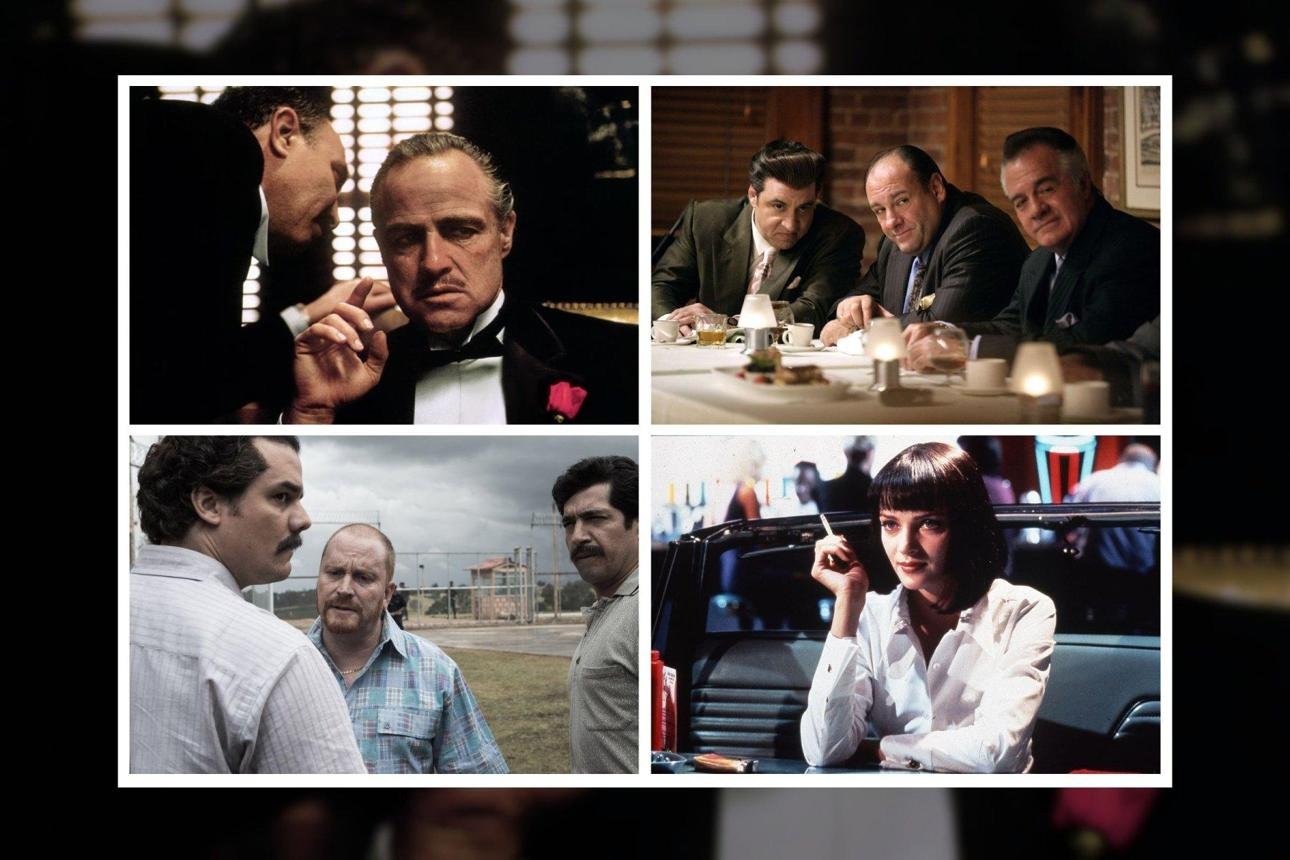

In today’s world, movies and digital content play a powerful role in shaping the thoughts, emotions, and behavior of people—especially the youth. From patriotic films to action-packed gangster stories, cinema can inspire, educate, or sometimes mislead. The question is: How deeply do movies affect our body, mind, society, and environment?
1. Movies as a Source of Learning and Inspiration
Not all movies have negative effects. Many films:
- Promote patriotism and national pride
- Encourage career choices like joining the army, police, or social services
- Teach moral values, discipline, and courage
For example, patriotic movies can inspire youth to serve the nation and build strong character.
2. The Power of Imitation: When Reel Becomes Real
Young minds are highly impressionable. When they watch:
- Stylish gangsters
- Aggressive heroes
- Luxurious lifestyles
They may try to copy behaviors, dressing styles, and attitudes. This is called imitation behavior.
Some youth begin to believe:
- “This is what real power looks like”
- “This lifestyle brings respect and fear”
But in reality, these are scripted and exaggerated versions of life.
3. Influence on Brain and Hormones
Movies can trigger emotional and physical responses:
- Action scenes increase adrenaline (excitement hormone)
- Romantic or emotional scenes affect dopamine and serotonin
- Violent or intense scenes can increase aggression temporarily
For teenagers, whose brains are still developing, repeated exposure can:
- Reduce sensitivity to violence
- Increase risk-taking behavior
- Create unrealistic expectations
4. Do Movies Create Gangster Mentality?

Movies alone do not “create criminals,” but they can influence thinking patterns when combined with:
- Lack of proper family guidance
- Peer pressure
- Social environment
- Desire for quick success or recognition
Some youth may admire:
- Power without responsibility
- Money without hard work
- Fear-based respect
This can push them toward negative paths if not corrected early.
5. Impact of Drugs, Alcohol, and Smoking in Movies

When movies show:
- Smoking as “cool”
- Alcohol as a lifestyle
- Drugs as fun or normal
It can lead to increased curiosity and experimentation, especially among boys.
Studies suggest:
- Around 30–50% of youth exposure to smoking/alcohol in media can influence their attitude toward trying it
- Repeated exposure normalizes harmful habits
6. Role of Social Media, Reels, and Short Videos
Today, the effect is stronger due to:
- Short reels repeating the same scenes
- Viral dialogues and trends
- Easy access on smartphones
This creates:
- Fast imitation culture
- Desire for fame and attention
- Aggressive or flashy lifestyle behavior
Youth may try to act like influencers or movie characters to gain popularity.
7. Why Boys Are More Affected
Research and observation show that boys are often more influenced because:
- They are drawn to action, power, and dominance themes
- Society sometimes encourages risk-taking behavior in boys
- They may seek identity through strength, body image, and recognition
Positive traits like fitness and confidence are good—but when misused, they can lead to:
- Aggression
- Ego-driven decisions
- Harmful competition
8. Role of Family and Environment
Movies alone are not responsible. The real influence depends on:
- Family guidance
- Values taught at home
- Education and awareness
If parents:
- Discuss what is right and wrong
- Monitor content
- Guide children emotionally
Then negative effects can be reduced significantly.
9. Positive vs Negative Impact: A Balanced View
Positive Effects:
- Motivation and inspiration
- Awareness about society
- Career guidance
- Entertainment and relaxation
Negative Effects:
- Unrealistic expectations
- Aggression and imitation
- Addiction to screen content
- Risky behavior and lifestyle choices
10. How Youth Can Stay Balanced
- Understand that movies are fiction, not reality
- Choose meaningful and educational content
- Limit screen time and avoid overconsumption
- Focus on real-life goals and skills
- Build discipline, not just image
Conclusion
Movies are powerful—they can build or break mindsets. While some films inspire patriotism, courage, and growth, others may promote harmful behaviors if misunderstood. The real issue is not movies alone, but how deeply we allow them to influence our thinking.
Youth must learn to enjoy cinema without losing touch with reality. Strength, confidence, and success should come from hard work, discipline, and values—not imitation of fictional characters.
Reel life can inspire—but real life must be lived with wisdom
