

A few decades ago, before the arrival of smartphones and mobile internet, comics magazines and illustrated books were an important part of daily life. In cities, villages, and even small towns—across countries—children, teenagers, and even adults eagerly waited for the next issue of their favorite comic. Comics were not just entertainment; they were imagination, adventure, humor, and learning combined in colorful pages.
Today, however, the culture of buying physical comics from local shops has reduced significantly. This raises important questions:
Why did comics lose their dominance?
Have they completely disappeared?
And what has replaced them in the modern world?
The Golden Era of Comics
Before smartphones became common, comics were one of the most popular forms of time-pass and storytelling. In India, publications like Chacha Chaudhary, Nagraj, Amar Chitra Katha, and Tinkle were household names.
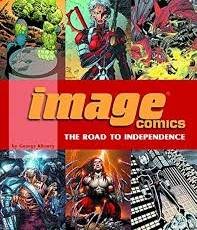
Internationally, superheroes from Marvel Comics and DC Comics dominated the
market with characters like Spider-Man, Batman, and Superman.
Comics were affordable, portable, and easy to read. They required imagination. Children exchanged them with friends, rented them from small libraries, and collected them proudly.

Why Did Comics Suddenly Decline?
Comics did not disappear overnight, but several factors contributed to their reduced popularity:
1. The Arrival of Smartphones and Internet
With the launch of modern smartphones
and affordable internet, digital entertainment exploded. Social media apps, video streaming platforms, online games, and short-video apps began capturing attention.
Instead of reading a 30-page comic, children and adults now spend hours scrolling through content on platforms like YouTube, Instagram, and TikTok.
Digital content is instant, colorful, animated, and constantly updating. This reduced patience for traditional reading.
2. Shift from Print to Screen

Earlier, printed material was the main source of entertainment. Today, screens dominate. Even comics have shifted to digital formats
such as webcomics, apps, and e-books.
People prefer watching superhero movies instead of reading about them. Big-budget films from Marvel and DC turned comic characters into global cinema icons, reducing dependence on printed versions.
3. Changing Lifestyle and Academic Pressure
Children today face more academic competition and structured schedules. Coaching classes, online learning, and extracurricular activities reduce free reading time. Passive entertainment like videos often replaces reading because it requires less effort.Are Comics Completely Gone?
No. Comics still exist and are popular in certain regions and formats.
In countries like Japan, manga culture is extremely strong. Series such as One Piece and Naruto continue to sell millions of copies worldwide.
Digital comic platforms and graphic novels are also growing. Many readers now consume comics through apps instead of paper.
What Replaced Comics?


Although traditional printed comics
declined, they were replaced by:
- Web series and streaming platforms
- Online gaming
- Social media scrolling
- Graphic novels
- Audiobooks and podcasts
- Short video entertainment
Streaming platforms like Netflix and Amazon Prime Video provide visual storytelling that competes directly with comics.
What Kind of Books Are Popular Today?
Even though comics have reduced in print popularity, reading has not disappeared. Today, people prefer:
Even though comics have reduced in print popularity, reading has not disappeared. Today, people prefer:
- Self-help and motivational books
- Business and finance books
- Fantasy novels
- Crime thrillers
- Young adult fiction
- Manga and graphic novels
Digital reading apps and e-book platforms make books accessible globally. Many people now read on tablets or e-readers instead of physical copies.
Why Did Attention Shift So Quickly?
The main reason is technological convenience. Digital content offers:
- Instant access
- Interactive features
- Videos and sound
- Global connectivity
- Continuous updates
Comics require focus and imagination. Modern platforms provide faster dopamine and quick entertainment. This shift changed habits dramatically.
Is There a Comeback Possibility?
Yes. Nostalgia is bringing back interest in old comics. Special editions, collector’s items, and digital adaptations are attracting both old and new readers. Graphic novels are also gaining recognition as serious literature.
Parents and educators are also encouraging children to read comics again because they:
- Improve imagination
- Enhance vocabulary
- Develop reading habits
- Stimulate creativity
Conclusion
Comics were once the heart of childhood entertainment across cities, villages, and countries. They built imagination and storytelling culture. The arrival of smartphones and digital media reduced their print dominance, but they have not
vanished completely.
They have simply transformed.
Today’s world offers faster, screen-based entertainment, but the charm of holding a comic book, turning colorful pages, and imagining heroes in your mind still holds a special place.
The future of comics may not look like the past—but storytelling in illustrated form will never truly die.

