
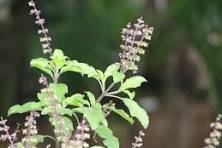

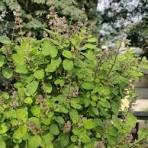


Tulsi (Ocimum sanctum), commonly known as Holy B
1. The Spiri
1.1 Tulsi in Worship
- Tulsi is considered an earthly manifestation of the goddess Lakshmi and is worshipped in many Indian households.
- Traditionally, Tulsi plants are grown in specially designed structures called Tulsi Vrindavan in courtyards or gardens.
- The plant is offered water every mo
- On Tulsi Vivah (a symboli
1.2 Symbol of Purity and Positivity
- I
- The fragrance of Tulsi leaves purifies the air
2. Heal
2.1 Boosts Immunity
- Rich in antioxid
- Its anti-bacterial and an
2.2 Respirato
- Tulsi leaves are commonly used in herbal tea
- Its natural compounds act as
2.3 Stress and Mental Healt
- Tulsi helps regulate cortisol
- Ayurvedic practices us
2.4 Heart and Blood Sugar Regulation
- Tulsi can lower cholesterol and regulate blood
- Its adaptogenic properti
2
- Applying Tulsi paste ca
- C
- Its antifungal properties h
3. Daily Life Uses of Tulsi
3.1 In Food and Herbal Drinks
- Tulsi leaves are added to teas, juices, and even soups to enhance flavor and health benefits.
- Tulsi water (leaves soaked overnight in clean water) is consumed for detoxification.
3.2 In Home Remedies
- Chewing fresh Tulsi leaves soothes sore throats and reduces cough.
- Tulsi juice is applied to insect bites to reduce pain and swelling.
3.3 As a Natural Air Purifier
- Tulsi releases oxygen and absorbs harmful gases like carbon dioxide and carbon monoxide, improving indoor air quality.
4. How to Grow and Maintain Tulsi
4.1 Best Conditions for Tulsi Growth
- Tulsi thrives in warm, sunny locations and needs well-drained soil.
- It requires moderate watering — neither too dry nor waterlogged.
4.2 Caring for the Plant
- Regular pruning encourages healthy growth and prevents the plant from becoming woody.
- Avoid placing it in extremely cold environments, as Tulsi is sensitive to frost.
4.3 Varieties of Tulsi
- Rama Tulsi (green leaves) – Known for mild fragrance and medicinal value.
- Krishna Tulsi (purple leaves) – Stronger flavor and higher antioxidant content.
- Vana Tulsi (wild variety) – Grows naturally and is used in Ayurvedic medicines.
5. Scientific Backing of Tulsi’s Benefits
- Antioxidants: Tulsi contains compounds like eugenol, which reduce oxidative stress.
- Anti-inflammatory effects: Studies show Tulsi reduces joint pain and inflammation.
- Antimicrobial activity: Effective against bacteria, fungi, and some viruses.
- Adaptogenic properties: Helps the body adapt to physical and emotional stress.
6. Pros and Cons of Using Tulsi
6.1 Pros
- 100% natural, easily available, and cost-effective.
- No major side effects when used in moderation.
- Multifunctional — spiritual, medicinal, and environmental benefits.
6.2 Cons
- Overconsumption may cause a drop in blood sugar levels — diabetic patients should monitor carefully.
- Pregnant or breastfeeding women should consult doctors before heavy intake.
- May interact with blood-thinning medications like warfarin due to its mild anticoagulant effect.
7. Tulsi in Ayurveda and Modern Medicine
- In Ayurveda, Tulsi is known as the “Queen of Herbs” and is used to balance Vata, Pitta, and Kapha doshas.
- Modern medicine has recognized its immunomodulatory and cardioprotective properties.
- Tulsi supplements and oils are available globally in capsule, powder, and liquid forms.
8. Tulsi in Daily Rituals and Festivities
- Many households light a lamp near the Tulsi plant at dusk, believed to bring prosperity.
- During festive seasons, Tulsi leaves are offered to deities in temples.
- Tulsi Vivah marks the ceremonial end of monsoon and the beginning of the Hindu wedding season.
Conclusion
Tulsi is far more than just a plant — it is a spiritual symbol, medicinal herb, natural purifier, and daily wellness companion. Integrating Tulsi into daily life, whether by growing it at home, drinking Tulsi tea, or using it in rituals, can improve both physical and mental well-being. Its blend of cultural sanctity and scientific credibility makes Tulsi a truly priceless gift of nature.
i

