Urban Solitude: Finding Silence Amidst the Noise of City Life
Introduction
Modern cities are alive with constant motion—traffic, construction, screens, conversations, and notifications. While urban life offers opportunity and excitement, it also creates continuous noise that can overwhelm the mind. In this environment, urban solitude—the ability to find inner silence while living in a busy city—has become a powerful and necessary practice.
This article explores how solitude can exist even in crowded cities and how finding moments of silence can restore balance, clarity, and well-being.
Understanding Urban Noise
Urban noise is not just about sound. It includes mental and emotional overload.
Forms of Urban Noise
- Traffic and construction sounds
- Digital noise from phones and media
- Crowded spaces and constant interaction
- Mental pressure and information overload
Over time, this noise can lead to stress, fatigue, and loss of inner peace.
What Is Urban Solitude?
Urban solitude does not mean isolation or loneliness. It means intentional quietness and self-connection within a busy environment.
Key Aspects of Urban Solitude
- Choosing stillness within movement
- Creating mental space, not physical escape
- Being alone without feeling lonely
It is a state of awareness, not a location.
Why Silence Matters
Silence is essential for mental and emotional health.
Benefits of Silence
- Reduces stress and anxiety
- Improves concentration and creativity
- Supports emotional balance
- Enhances self-awareness
Silence allows the mind to reset, even if only for a few minutes.
The Challenge of Finding Silence in Cities
Cities are designed for productivity, not stillness.
Common Obstacles
- Long working hours
- Crowded living spaces
- Social expectations
- Constant digital engagement
Despite these challenges, silence is still accessible with conscious effort.
Creating Inner Silence
True silence begins within.
Practices for Inner Quiet
- Mindful breathing
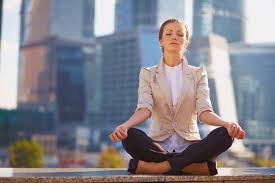
- Short meditation sessions
- Observing thoughts without reacting
- Limiting unnecessary digital input
Even in noisy surroundings, inner silence can be cultivated.
Small Spaces of Solitude in Urban Life
Cities contain hidden spaces of calm.
Where to Find Urban Solitude
- Early morning streets
- Public parks and gardens
- Libraries and quiet cafés
- Rooftops or balconies
Learning to notice these spaces changes how we experience the city.
Digital Silence in a Connected World
Technology is a major source of mental noise.
Practicing Digital Solitude
- Turning off notifications
- Setting screen-free hours
- Avoiding constant multitasking
- Consuming media mindfully
Digital silence creates room for deeper thought and presence.
Solitude Without Loneliness
Solitude is often misunderstood as loneliness.
Key Difference
- Loneliness: Feeling disconnected
- Solitude: Feeling complete within oneself
Urban solitude helps build a healthy relationship with oneself, which strengthens relationships with others.
Mindfulness as an Urban Survival Skill
Mindfulness allows people to stay grounded amid chaos.
Daily Mindful Moments
- Walking without rushing
- Eating without distractions
- Listening deeply
- Pausing before responding
These moments transform ordinary routines into peaceful experiences.
The Role of Nature in the City
Nature provides instant calm, even in small forms.
Urban Nature Sources
- Trees and street plants
- Indoor plants
- Sky and sunlight
- Rain and wind sounds
Connecting with nature restores balance and reminds us of simplicity.
Creative Solitude in City Life
Many artists and thinkers find inspiration in solitude.
Creative Benefits
- Deeper focus
- Emotional expression
- Innovative thinking
- Self-reflection
Urban solitude can turn noise into creative energy.
Cultural Shifts Toward Stillness
Modern urban culture is slowly recognizing the need for silence.
Emerging Trends
- Meditation studios
- Silent retreats in cities
- Wellness-focused architecture
- Mental health awareness
These shifts reflect a collective desire for balance.
Building a Personal Silence Ritual
Consistency makes solitude effective.
Simple Ritual Ideas
- Morning quiet time
- Evening reflection
- Silent walks
- Breathing before sleep
Rituals help protect silence in daily life.
Urban Solitude and Inner Growth
Silence encourages self-discovery.
Inner Benefits
- Clearer values
- Emotional maturity
- Reduced reactivity
- Deeper peace
Urban solitude is not escape—it is engagement with life from a grounded place.
Conclusion
Urban solitude is the art of finding silence without leaving the city. It teaches that peace does not depend on external quiet but on inner awareness. Amid traffic, crowds, and constant stimulation, moments of solitude allow the mind to rest and the spirit to breathe.
In embracing urban solitude, city life becomes not a source of exhaustion, but a space for balance, reflection, and quiet strength.
In the chaos of bustling streets and constant digital connectivity, urban solitude offers a rare opportunity for self-reflection and peace. Explore how silence can thrive in a noisy world
The Relentless Noise of Urban Life
Cities are constantly alive—buzzing with the hum of car engines, the clinking of construction sites, the rapid chatter of people on the move. From the moment you step outside your door, you’re met with a cacophony of sounds. It’s a soundscape that tells the story of progress, of people working hard, and of the relentless pace of modern life.
For many, the noise is both a companion and a reminder of how interconnected we are. But for some, it’s overwhelming. The constant chatter, the rushing footsteps, the distant sirens—all contribute to a sensory overload that becomes harder to escape with each passing day.
In cities like New York, Tokyo, and London, the rush of daily life forms an unspoken backdrop, one that many accept as part of the rhythm of existence. But hidden within the constant din is a more subtle sound: the need for silence.
The Quest for Solitude in a Crowded World
Despite the overwhelming energy, more people are finding themselves seeking solitude amidst the noise. It’s not about isolating oneself but about carving out moments of peace in a world that never stops moving. The search for urban solitude has become somewhat of a quiet revolution, one that rejects the idea that we need to be constantly connected and engaged
The idea of solitude isn’t new, but the ways in which we find it have evolved. For centuries, monks and hermits sought silence in nature or remote locations. Today, the modern hermit might not reside in a secluded forest but instead find peace in a small apartment in the city, away from the chaos, or in an isolated corner of a coffee shop.
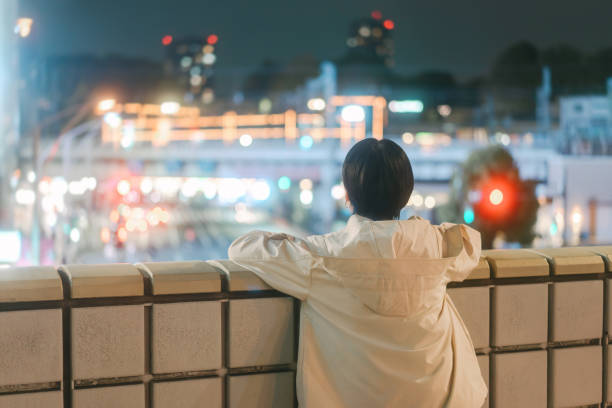
Finding solitude doesn’t require leaving the city entirely; rather, it’s about shifting focus, about seeking out spaces where one can recharge. It could be a walk through a quiet park in the early morning, a moment of deep reflection in a cozy corner of a library, or simply staring out at the horizon from a high-rise apartment, watching the city bustle below without needing to participate in it.
The Transformative Power of Silence
Silence holds power. In a world that’s perpetually moving, it can seem strange to crave nothingness. Yet, silence is where reflection happens, where creativity is born, and where we reconnect with our inner selves. The noise of city life often drowns out the whispers of our thoughts, but in silence, we can hear them more clearly.
In solitude, people often experience a deeper sense of clarity. Without the distractions of constant interaction or the hustle of the day-to-day, the mind can rest and focus. Studies have shown that moments of silence can boost mental health, improve concentration, and even reduce stress levels.
Silence is not necessarily the absence of sound; it is the absence of distraction. It’s in these moments of stillness where we have the opportunity to center ourselves and reconnect with our purpose.
The Inner Journey: Finding Peace Within
Urban solitude isn’t just about finding physical spaces that are quiet. It’s also about cultivating a mental space of peace amidst the chaos. Meditation, mindfulness, and deep breathing are all practices that help create this space. The world outside may be loud and overwhelming, but when we take the time to ground ourselves, we can find an internal peace that transcends the external noise.
The journey inward is a personal one, and it varies for each individual. Some might find peace through meditation, others through journaling, and some through physical activity like yoga or running. What matters is the act of disconnecting from the constant flow of external stimuli and listening to our inner thoughts.
In a society that values speed and constant movement, taking a moment to pause and reflect is revolutionary. It’s a return to the self, a reclamation of mental space that often gets lost in the noise.
Small, Quiet Moments with Big Impact
In the city, finding solitude often comes in small, fleeting moments. These moments can make a profound difference. It’s in the brief moments of quiet that we find ourselves reconnecting to a deeper sense of purpose.
Taking a few minutes to breathe deeply during a lunch break, watching the sunset from a high-rise window, or sipping a cup of tea in solitude—all of these moments allow us to reset. The idea is not to escape the city but to embrace it fully while acknowledging our need for moments of pause.
As we rush through our daily routines, these small moments of solitude are often the quiet anchors that keep us grounded. They serve as gentle reminders that even amidst the busiest cities, silence can be found if we know where to look.
The Solitude of the Mind: Escaping Mental Clutter
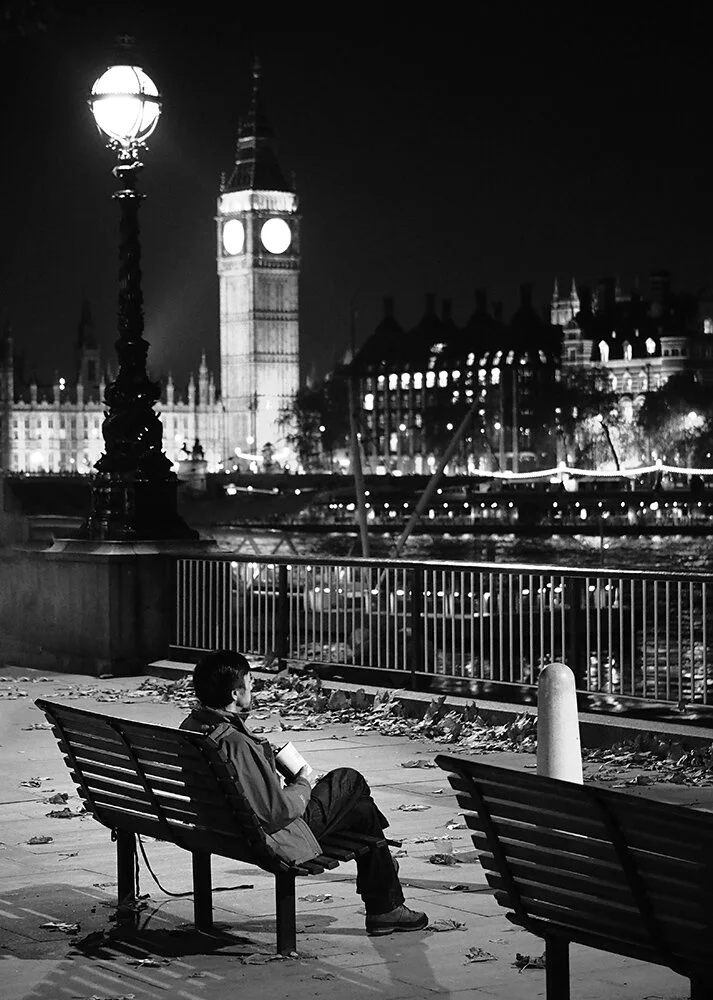
City life doesn’t just demand our physical presence; it demands our mental energy as well. The constant flow of information, the pressure of deadlines, and the endless social engagements often leave us mentally exhausted. Urban solitude can act as a mental reset, providing a much-needed break from the noise.
The solitude of the mind is a state where we can clear away the mental clutter that builds up over time. It’s a space where we can process thoughts, make decisions, and reflect on our emotional well-being. In many ways, finding mental solitude is more valuable than physical isolation.
The city, with all its distractions, can be a place where people learn the art of mental solitude. Here, we find the ability to close off the noise and focus on what truly matters, even as the world around us continues to spin.
The Delicate Balance Between Connection and Solitude
Urban solitude doesn’t mean complete isolation. It’s not about abandoning relationships or turning away from the world. Instead, it’s about finding a balance between connection and solitude.
Living in a city often means being surrounded by people, but it also means having access to moments of introspection. This balance is essential for mental health and well-being. In fact, social interactions, when balanced with moments of silence, can be more fulfilling and rejuvenating.
Ultimately, it’s not the absence of people that brings peace but the ability to choose when to engage and when to retreat into solitude. This balance allows individuals to recharge, making their connections with others even more meaningful.
Conclusion: Embracing Solitude in the Heart of the City
Urban solitude is a powerful concept. It’s the art of finding stillness amidst the relentless rhythm of city life. In a world that glorifies hustle and constant motion, moments of silence and solitude are revolutionary. They are a way of reconnecting with the self, recharging our minds, and achieving a sense of peace that the noise of the city often overshadows.
As cities continue to grow and evolve, the need for urban solitude will only become more important. The search for silence amidst the noise is not just about escaping; it’s about reclaiming our inner peace, one quiet moment at a time.
Q&A: Exploring the Concept of Urban Solitude
Q: Why is solitude important in a busy city?
A: Solitude offers a mental break from the constant stimulation of city life. It provides the space for reflection, creativity, and personal growth. Even in the midst of noise, solitude can recharge us.
Q: How can someone find solitude in a bustling city?
A: Solitude doesn’t always mean isolation. It can be found in small, quiet moments—taking a walk in the park, sitting quietly in a café, or practicing mindfulness. It’s about creating mental space.
Q: Does urban solitude require physical isolation?
A: Not at all. Urban solitude is more about mental quietness and the ability to disengage from the external chaos. You can find solitude in the midst of a crowd if you focus on inner peace.
Q: How can urban solitude improve mental health?
A: By allowing the mind to rest from constant external stimuli, urban solitude helps reduce stress, anxiety, and mental fatigue. It enables individuals to process emotions and regain clarity.
Q: Can silence lead to greater creativity?
A: Yes. Silence allows the mind to focus and make connections that are often lost in the noise. It’s in these moments of stillness that creativity and innovative ideas can flourish.