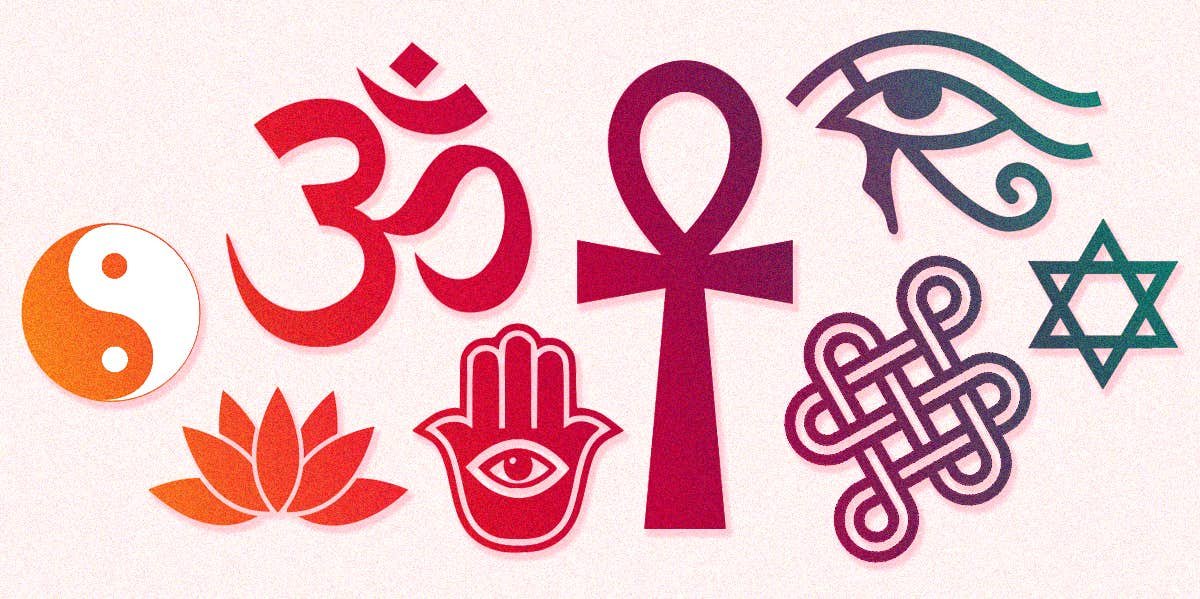

Cultural Appropriation or Appreciation? Navigating Modern Spiritual Trends
Introduction
In today’s globalized world, spiritual practices travel faster than ever before. Yoga classes are held in major cities worldwide, meditation apps teach ancient techniques, and symbols from indigenous and Eastern traditions appear in modern wellness culture. While this exchange can promote understanding and healing, it also raises an important question: Are these practices examples of cultural appreciation, or do they cross into cultural appropriation?
This article explores the difference between appropriation and appreciation in modern spiritual trends and offers guidance on how to engage with spiritual traditions respectfully and consciously.
Understanding Cultural Appropriation
Cultural appropriation occurs when elements of a culture—especially one that has been historically marginalized—are taken, used, or commercialized without proper understanding, respect, or acknowledgment.
Common Signs of Appropriation
- Using sacred symbols as fashion or décor
- Practicing rituals without knowing their meaning
- Removing spiritual practices from their cultural context
- Profiting from traditions while ignoring their origins
In spirituality, appropriation can reduce deep traditions into trends or aesthetics.
What Is Cultural Appreciation?
Cultural appreciation, on the other hand, involves respectful engagement, learning, and acknowledgment.
Key Features of Appreciation
- Learning the history and meaning behind practices
- Honoring the culture and community of origin
- Practicing with humility and openness
- Supporting authentic teachers and sources
Appreciation strengthens cross-cultural understanding rather than diminishing it.
Why Spiritual Traditions Are Often Misused
Spiritual practices are especially vulnerable to misuse because they promise healing, peace, and transformation.
Modern Factors Contributing to Misuse
- Commercialization of wellness
- Social media trends
- Desire for quick spiritual results
- Lack of cultural education
When spirituality becomes a product, depth is often sacrificed for popularity.
Yoga and Meditation: A Common Example
Yoga and meditation are among the most widely adopted spiritual practices.
The Challenge
- Yoga reduced to physical exercise only
- Sanskrit terms used without understanding
- Sacred philosophies ignored
The Opportunity
When practiced with awareness, yoga and meditation can honor their roots while remaining accessible to all.
Sacred Symbols and Their Meanings
Symbols such as mandalas, chakras, mantras, and indigenous designs hold deep spiritual significance.
Responsible Use
- Learn the symbolism before using it
- Avoid trivializing sacred imagery
- Understand that some symbols are not meant for casual use
Respect begins with education.
Spirituality vs Commercialization
Modern spirituality often intersects with business.
Ethical Concerns
- Who profits from spiritual practices?
- Are original communities acknowledged or supported?
- Is the practice being simplified or distorted?
Commercial success should not erase cultural origins.
Power Dynamics and History
Cultural appropriation is closely tied to history.
Why Context Matters
- Many spiritual traditions come from colonized or oppressed cultures
- Practices once banned or ridiculed are now marketed
- Ignoring history can reopen wounds
Awareness of power dynamics transforms intention into respect.
Intention Alone Is Not Enough
Many people say, “I mean no harm,” but intention does not cancel impact.
Balanced Awareness
- Good intentions + education = respect
- Listening is as important as practicing
- Correction is part of growth
Spiritual maturity includes the willingness to learn and adjust.
Learning from Authentic Sources
One of the best ways to show appreciation is to learn from authentic teachers.
How to Practice Responsibly
- Study from cultural or lineage-based teachers
- Read original texts or trusted translations
- Support community-led initiatives
This keeps traditions alive rather than diluted.
Adaptation vs Distortion
Cultures naturally evolve, and sharing is not wrong.
Healthy Adaptation
- Preserves core meaning
- Acknowledges origins
- Respects boundaries
Harmful Distortion
- Removes sacred context
- Reinforces stereotypes
- Turns wisdom into trends
The difference lies in awareness and respect.
Modern Spiritual Seekers and Responsibility
With access to global traditions comes responsibility.
Questions to Ask Yourself
- Do I understand where this practice comes from?
- Am I honoring its original purpose?
- Am I open to feedback and learning?
Self-reflection is a spiritual practice in itself.
Toward Conscious Global Spirituality
True spirituality encourages unity without erasing difference.
A Conscious Path Forward
- Celebrate cultural diversity
- Practice humility and gratitude
- Share space without claiming ownership
- Let spirituality deepen compassion, not ego
Global spirituality should uplift, not exploit.
appreciation
Navigating modern spiritual trends requires awareness, respect, and responsibility. Cultural appreciation honors wisdom through learning and humility, while cultural appropriation reduces sacred traditions to trends without context or care.
In a connected world, spiritual growth is not just about inner peace—it is also about ethical awareness. When practiced consciously, modern spirituality can become a bridge between cultures rather than a source of division.
True spiritual practice begins with respect—for tradition, for people, and for the deeper meaning behind every sacred path.
As spirituality evolves, the line between appropriation and appreciation becomes blurred. This article explores how we can engage with spiritual traditions while respecting cultural boundaries in a diverse, interconnected world.

The Growing Popularity of Modern Spiritual Practices
In today’s world, spiritual practices are no longer confined to temples or sacred spaces. From meditation and yoga to crystals and smudging, spiritual trends have taken the world by storm, transcending cultural boundaries and gaining popularity across the globe. These practices, once rooted in specific cultural and religious traditions, are now part of mainstream life, with celebrities and influencers sharing their personal spiritual journeys on social media.
The rapid spread of these spiritual practices, however, raises important questions about cultural appropriation. What happens when traditions from indigenous cultures or ancient religions are adopted by people outside of those communities? Are we engaging with them respectfully, or are we commodifying and distorting them for personal gain? The rise of these modern spiritual trends brings us face-to-face with these questions, challenging us to navigate the fine line between cultural appreciation and appropriation.
Understanding Cultural Appropriation in Spiritual Practices
Cultural appropriation refers to the adoption or use of elements of one culture by members of another culture, often without understanding or respect for the original context. This can be particularly problematic when the dominant culture takes practices or symbols from marginalized or oppressed groups, stripping them of their sacred meaning and using them for superficial purposes.
In the case of spiritual practices, cultural appropriation can be seen when sacred rituals, symbols, or customs are adopted without a genuine understanding of their significance. For example, wearing a Native American headdress as a fashion statement or using Sanskrit mantras without understanding their spiritual meaning can be considered forms of appropriation. These practices, when taken out of context, can lose their depth and significance, and in some cases, contribute to the erasure of the cultures from which they originated.
The Fine Line Between Appreciation and Appropriation
Appreciation, on the other hand, involves a genuine respect for and understanding of another culture’s spiritual practices. It’s about recognizing the value of these traditions and learning from them in a way that honors their original context. Appreciation means engaging with spiritual practices with reverence, acknowledging their roots, and being mindful of the power dynamics at play.
So how can we distinguish between cultural appropriation and cultural appreciation? One important factor is intent. Are we engaging with these practices to deepen our own spiritual journey, or are we simply trying to look “spiritual” without understanding the meaning behind what we’re doing? Another factor is respect—do we respect the traditions and communities from which these practices come, or are we taking them for granted, using them in a way that strips them of their cultural significance?
The Impact of Social Media on Spiritual Trends
In the age of social media, spiritual practices have become easily accessible, with influencers and wellness gurus sharing their practices with millions of followers. While this has democratized access to spiritual tools, it has also contributed to the commercialization of these practices. Yoga, meditation, astrology, and other spiritual traditions are often presented as trendy, quick fixes for stress or personal growth, without any deeper understanding of the cultural or spiritual significance behind them.
For example, yoga has become a multi-billion dollar industry, with classes being marketed as fitness routines rather than spiritual practices. While yoga has undeniable physical benefits, it is also a deeply spiritual practice that involves a union of body, mind, and spirit. When yoga is reduced to a workout trend, it can lose its deeper meaning, and the cultural context in which it was created can be overlooked. In this way, social media has played a significant role in both spreading spiritual practices and watering them down for mass consumption.
How Can We Navigate the Fine Line?
If we’re going to engage with spiritual practices from other cultures, it’s important to approach them with mindfulness and respect. Here are some ways to navigate the fine line between cultural appropriation and appreciation:
a) Educate Yourself: Take the time to learn about the origins of the practices you’re interested in. Read books, attend workshops, and listen to voices from the cultures and communities that originated these traditions. The more you understand, the more likely you are to engage with these practices in a respectful way.
b) Honor the Culture: Acknowledge the cultural and spiritual significance of the practices you’re engaging with. This might mean thanking the culture that brought the practice to you or recognizing the history behind it. It’s also important to support the communities that created these practices by donating to relevant organizations or by purchasing items from artisans who are part of those traditions.
c) Avoid Commodification: Be mindful of how you present these practices to others. If you’re sharing your spiritual journey on social media, for example, be careful not to commodify the practices you’re engaging with. Don’t treat them as mere trends or accessories—recognize their sacredness and share them with others in a way that encourages respect and understanding.
d) Give Back: If you’ve benefited from a spiritual practice, consider how you can give back. This might involve donating to indigenous groups or organizations that preserve traditional practices or simply offering gratitude for the teachings you’ve received. Giving back helps maintain the balance between appreciation and appropriation.
The Role of Intent in Cultural Engagement
At the heart of cultural appreciation versus appropriation is the question of intent. Are we engaging with these practices because they resonate with our own spiritual journeys, or are we doing it for superficial reasons? Intent is what determines whether our engagement with these traditions is respectful or exploitative. If our intention is to deepen our understanding and practice of spirituality, we are more likely to approach it with the respect and reverence it deserves. However, if we are simply adopting practices because they are trendy or “exotic,” we may be crossing into the territory of appropriation.
Conclusion: The Path Toward Respectful Engagement
Cultural appropriation and appreciation are not black-and-white concepts; they exist on a spectrum. The key to navigating this complex terrain is mindfulness—being aware of the origins and significance of the practices we engage with and respecting the cultures that birthed them. By approaching spiritual practices with an open heart, a curious mind, and a deep sense of respect, we can avoid appropriation and instead engage in true cultural appreciation.

As modern spirituality continues to evolve, it’s essential that we maintain awareness of these issues. The spiritual journey is meant to be transformative, but it should never come at the expense of others. By educating ourselves, honoring the cultures we learn from, and engaging with integrity, we can create a more respectful, inclusive spiritual landscape for everyone.
Q&A: Exploring Cultural Appropriation and Appreciation in Spiritual Practices
Q: What is the difference between cultural appropriation and appreciation?
A: Cultural appropriation is the use of elements from another culture without respect or understanding, while cultural appreciation involves engaging with these practices in a respectful and informed way, acknowledging their cultural significance.
Q: How can I learn more about the cultural roots of spiritual practices?
A: You can read books, attend workshops, and follow educators from the cultures whose practices you’re interested in. Seek out resources written by members of the culture or tradition to gain authentic insights.
Q: Is it okay to practice yoga or meditation if I’m not part of the culture?
A: Yes, it’s okay to practice these traditions as long as you approach them with respect, understanding, and reverence. Make an effort to learn about their origins and avoid reducing them to trends or fitness routines.
Q: How do I avoid commodifying spiritual practices on social media?
A: Share your experiences with mindfulness and respect, acknowledging the cultural roots of the practices you’re using. Avoid presenting these practices as quick fixes or trends and encourage others to engage thoughtfully.
Q: Can engaging in spiritual practices from other cultures help me grow spiritually?
A: Yes, when approached with reverence and understanding, spiritual practices from other cultures can deepen your own spiritual journey, offering valuable insights and tools for personal growth and transformation.


Your article helped me a lot, is there any more related content? Thanks! https://accounts.binance.com/fr-AF/register-person?ref=JHQQKNKN
I want sell this site in 1 crore if Enybody interested they can buy I added many ebooks topic, graffic design, article in this website it can you you lots. Of earning in future and I also adede zazzle shopping centre so if Enybody interested you can contact me on this no 8447583214