The Role of Ayurveda in Modern Holistic Health Practices
Introduction
In an age where lifestyle diseases, stress, and mental fatigue are becoming increasingly common, people are turning toward holistic health practices that focus on the complete well-being of body, mind, and spirit. Among the world’s oldest healing systems, Ayurveda has emerged as a powerful guide for modern holistic living. Rooted in ancient Indian wisdom, Ayurveda offers time-tested principles that align remarkably well with today’s wellness needs.
This article explores the role of Ayurveda in modern holistic health practices and why it remains relevant in contemporary life.
Understanding Ayurveda
Ayurveda is a traditional system of medicine that originated in India over 5,000 years ago. The word Ayurveda comes from Sanskrit:
- Ayur meaning life
- Veda meaning knowledge
Ayurveda is often described as the science of life, focusing on prevention, balance, and harmony rather than only treating disease.
Core Principles of Ayurveda
Ayurveda believes that health exists when the body, mind, and environment are in balance.
The Three Doshas
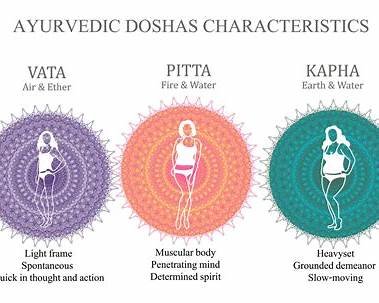
According to Ayurveda, every individual has a unique constitution made of three energies:
- Vata (air & space) – movement and creativity
- Pitta (fire & water) – digestion and metabolism
- Kapha (earth & water) – stability and immunity
Modern holistic health uses this personalized approach to tailor diet, lifestyle, and therapies.
Ayurveda as Preventive Healthcare
One of Ayurveda’s strongest contributions to modern wellness is prevention.
Preventive Focus
- Daily routines (Dinacharya)
- Seasonal practices (Ritucharya)
- Balanced diet and digestion
- Stress management
Instead of waiting for illness, Ayurveda teaches how to maintain health naturally.
Integration with Modern Holistic Health
Modern holistic health emphasizes natural healing, mindfulness, and lifestyle balance—values deeply aligned with Ayurveda.
Areas of Integration
- Nutrition and gut health
- Mental wellness and stress reduction
- Sleep and circadian rhythm balance
- Immunity and detoxification
Many wellness centers now combine Ayurveda with yoga, meditation, and modern medicine.
Ayurvedic Nutrition in Modern Diets
Ayurveda views food as medicine.
Key Dietary Concepts
- Eating according to body type (dosha)
- Emphasis on fresh, seasonal foods
- Supporting digestion (Agni)
- Avoiding processed and incompatible foods
Modern nutrition science now supports these ideas, especially the importance of gut health.
Herbal Medicine and Natural Remedies
Ayurveda uses herbs and natural substances to restore balance.
Common Ayurvedic Herbs
- Ashwagandha for stress and strength
- Turmeric for inflammation
- Tulsi for immunity
- Triphala for digestion
These herbs are now widely researched and used in global wellness products.
Mental Health and Emotional Balance
Ayurveda recognizes the deep connection between mind and body.
Ayurvedic Mental Wellness
- Meditation and breathwork
- Oil therapies for calming the nervous system
- Herbal support for anxiety and sleep
Modern psychology increasingly acknowledges the role of lifestyle and body-based therapies in mental health.
Ayurveda and Lifestyle Medicine
Lifestyle diseases such as diabetes, obesity, and hypertension are growing worldwide.
Ayurvedic Approach
- Personalized daily routines
- Stress reduction practices
- Balanced physical activity
- Mindful living
Ayurveda complements modern lifestyle medicine by addressing root causes rather than symptoms alone.
Detoxification and Rejuvenation
Ayurveda emphasizes periodic cleansing to maintain health.
Panchakarma and Rejuvenation
- Gentle detox methods
- Restoring digestive strength
- Enhancing immunity
- Promoting longevity
These practices align with modern detox concepts when applied responsibly.
Ayurveda and Integrative Medicine
Today, many healthcare systems adopt integrative medicine, combining traditional and modern approaches.
Ayurveda’s Role
- Supporting conventional treatments
- Enhancing recovery and quality of life
- Reducing side effects naturally
This integrative approach respects both ancient wisdom and scientific advancement.
Scientific Validation of Ayurveda
Modern research increasingly supports Ayurvedic principles.
Scientific Recognition
- Herbal studies confirm therapeutic benefits
- Mind-body practices improve stress markers
- Personalized medicine mirrors dosha theory
Science is not replacing Ayurveda but helping explain its effectiveness.
Challenges in Modern Adaptation
Despite its benefits, Ayurveda faces challenges.
Key Challenges
- Misuse or oversimplification
- Commercialization without authenticity
- Need for qualified practitioners
Responsible application is essential for true healing.
The Future of Ayurveda in Global Health
As people seek sustainable and natural health solutions, Ayurveda’s relevance continues to grow.
Future Potential
- Global wellness integration
- Preventive healthcare models
- Personalized medicine
- Sustainable living practices
Ayurveda offers a blueprint for health that is both ancient and future-ready.
Ayurveda
The role of Ayurveda in modern holistic health practices is both profound and practical. By emphasizing balance, prevention, personalization, and natural healing, Ayurveda addresses the core challenges of modern life. It reminds us that true health is not just the absence of disease but a state of harmony between body, mind, and environment.
In a fast-paced world, Ayurveda offers a timeless path toward sustainable well-being—rooted in wisdom, supported by science, and guided by natu
As we navigate the modern world of health and wellness, Ayurveda, the ancient system of healing, offers a timeless blueprint for holistic living. Discover how this tradition shapes today’s health practices.
Rediscovering Ancient Wisdom in a Modern World
In an age where modern medicine has made incredible strides, there is a growing movement towards integrating ancient healing practices with contemporary wellness strategies. Ayurveda, a traditional system of medicine that has existed for over 5,000 years, is at the forefront of this shift. Born in India, Ayurveda offers a holistic approach to health, emphasizing the balance of the body, mind, and spirit. It provides an alternative to the often symptom-focused approach of Western medicine, encouraging the pursuit of well-being through natural remedies, lifestyle adjustments, and mindfulness.
Today, Ayurveda is gaining popularity as more people seek alternative therapies to complement or even replace conventional treatments. Its influence can be seen in modern wellness practices, from yoga to herbal remedies, and from meditation to diet regimens. But what exactly is Ayurveda, and how does it fit into the landscape of modern holistic health practices?
Ayurveda: A Holistic Approach to Health
At its core, Ayurveda is based on the belief that every person is unique, with individual needs and imbalances. It operates on the concept of doshas, or energies, which govern our physical and mental traits. There are three primary doshas: Vata, Pitta, and Kapha. Each dosha represents a combination of the five elements (earth, water, fire, air, and ether), and it is believed that a person’s dosha predominates in different aspects of their being.
For example, Vata is associated with air and ether and is linked to qualities like creativity, mobility, and change. Pitta, related to fire and water, is connected with metabolism, digestion, and intensity. Kapha, made of earth and water, is known for its stabilizing, nurturing qualities, and governs immunity and fluid balance in the body.
In Ayurveda, health is achieved when the doshas are in balance. Disease is believed to arise when there is an imbalance in one or more of these energies, either due to external factors like diet or lifestyle or internal factors like stress or emotional turmoil. The practice of Ayurveda seeks to restore harmony by identifying the individual’s dosha and using various natural therapies to restore balance.
Ayurvedic Practices in Modern Health Regimens
In the fast-paced modern world, the principles of Ayurveda offer valuable insights into how we can live in harmony with our environment and our own bodies. The integration of Ayurvedic practices into modern wellness routines is a trend that has steadily grown in recent years. Here are some key aspects of Ayurveda that are being embraced in contemporary holistic health:
Herbal Remedies and Natural Supplements
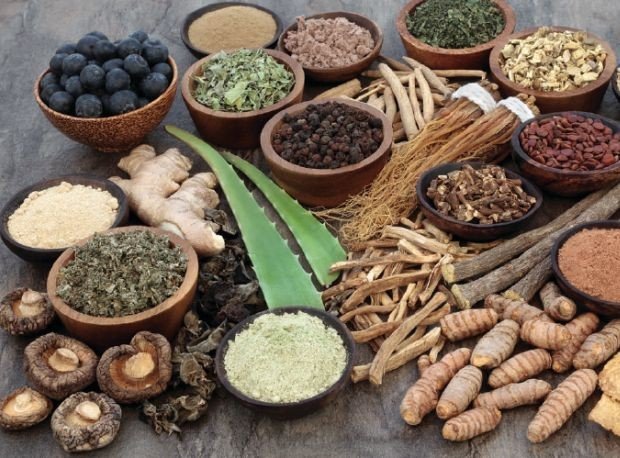
Ayurvedic medicine relies heavily on the use of herbs, spices, and plant-based remedies to treat a wide range of conditions. While modern medicine often isolates active compounds in plants to create synthetic drugs, Ayurveda uses the whole plant for its multifaceted therapeutic properties. Popular Ayurvedic herbs such as turmeric, ashwagandha, triphala, and holy basil have gained worldwide recognition for their anti-inflammatory, stress-reducing, and immune-boosting effects.
Many of these herbs are now widely available in health food stores and are often incorporated into supplements or teas. For example, turmeric, with its active compound curcumin, is commonly used for its anti-inflammatory benefits. Ashwagandha, an adaptogenic herb, is often recommended to reduce stress and improve overall vitality.
Diet and Nutrition: Eating for Your Dosha
Ayurveda places great emphasis on diet, believing that the foods we eat directly impact our health. Unlike one-size-fits-all approaches to nutrition, Ayurveda suggests that diet should be personalized according to an individual’s dosha. For instance, someone with a predominance of Pitta may benefit from cooling foods like cucumbers and coconut, while a Kapha type might benefit from warming, spicy foods like ginger and garlic.
This personalized approach to nutrition helps individuals make mindful choices that support their unique constitution, balancing their internal energies and promoting overall well-being. In modern health trends, Ayurvedic dietary practices have been incorporated into popular concepts like mindful eating and plant-based diets.
The Connection Between Ayurveda and Mental Health
While Ayurveda is often associated with physical health, its teachings also extend to mental and emotional well-being. Ayurveda recognizes that the mind and body are deeply interconnected, and that mental health plays a crucial role in achieving overall balance. Practices such as meditation, yoga, and breathing exercises (pranayama) are integral to Ayurvedic healing.
In today’s world, where stress, anxiety, and mental health disorders are on the rise, Ayurvedic practices are being incorporated into modern mental health strategies. The focus on balance, self-awareness, and mindfulness provides an antidote to the fast-paced, often chaotic nature of contemporary life. By addressing the root causes of stress and promoting mental clarity, Ayurveda offers valuable tools for cultivating inner peace and emotional stability.
Meditation and Yoga: Finding Balance Through Ancient Practices
Meditation and yoga, both integral to Ayurvedic philosophy, are now ubiquitous in modern wellness routines. Yoga, with its physical postures, breathwork, and meditation techniques, aligns the body and mind, helping individuals reconnect with their inner selves. Meditation, meanwhile, is used to calm the mind, reduce stress, and enhance mental clarity.
Both practices have been shown to have numerous health benefits, including reducing symptoms of anxiety, depression, and chronic pain. Ayurveda emphasizes that true wellness comes from a harmonious balance of the physical, mental, and spiritual aspects of life, and yoga and meditation are central to achieving this equilibrium.
Modern Ayurvedic Treatments: A Fusion of Tradition and Innovation
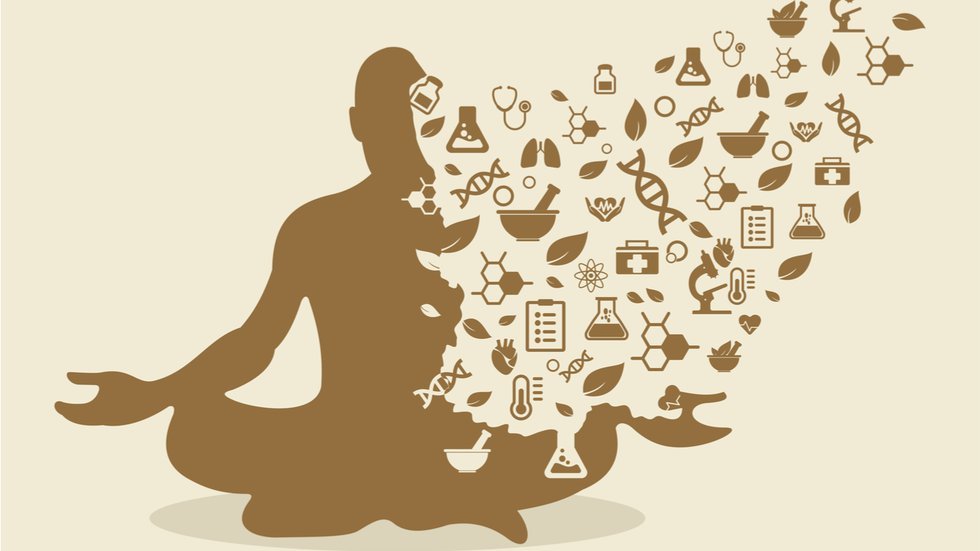
The integration of Ayurveda into modern health practices is not just about adopting ancient wisdom; it also involves adapting these practices to fit the needs of contemporary life. Many Ayurvedic practitioners now incorporate cutting-edge technologies and innovative approaches to make Ayurvedic treatments more accessible and effective.
For example, Ayurvedic detox programs, known as panchakarma, are becoming more popular in the wellness industry. These cleansing therapies, designed to remove toxins from the body and restore balance to the doshas, are now offered in spas and wellness centers worldwide. Modern techniques such as infrared saunas and detox massages are being combined with traditional Ayurvedic practices to offer a comprehensive approach to detoxification and rejuvenation.
Conclusion: Ayurveda’s Enduring Relevance
As we continue to explore new frontiers in modern health and wellness, Ayurveda remains a timeless guide for achieving holistic health. Its deep understanding of the interconnection between the body, mind, and spirit offers valuable insights into how we can live balanced and meaningful lives. By integrating Ayurvedic principles with modern wellness practices, we can cultivate a deeper sense of harmony within ourselves and with the world around us.
The role of Ayurveda in modern holistic health practices is more significant than ever, as it provides a framework for self-awareness, mindful living, and preventive care. Whether through diet, herbal remedies, or spiritual practices, Ayurveda reminds us that true wellness comes from within and that we have the power to heal ourselves by aligning with nature’s rhythms.
Q&A: Understanding Ayurveda’s Role in Modern Holistic Health
Q: How does Ayurveda differ from modern Western medicine?
A: Ayurveda focuses on holistic health, treating the root cause of illness through natural remedies, lifestyle changes, and spiritual practices. In contrast, Western medicine often addresses symptoms and relies on pharmaceuticals.
Q: Can Ayurveda be integrated with conventional medical treatments?
A: Yes, many people use Ayurveda alongside conventional treatments to enhance overall well-being. It can be a complementary approach, addressing areas like stress management, nutrition, and detoxification.
Q: What is the role of the doshas in Ayurveda?
A: The doshas—Vata, Pitta, and Kapha—represent energies that govern our physical and mental traits. Balancing these energies is key to maintaining health and preventing disease in Ayurvedic practice.
Q: Are Ayurvedic remedies safe to use?
A: Ayurvedic remedies are generally safe when used appropriately, but it’s important to consult a qualified practitioner before incorporating them into your routine, especially if you have underlying health conditions.
Q: How does Ayurveda contribute to mental health?
A: Ayurveda emphasizes the connection between the body and mind. Practices like meditation, yoga, and mindfulness can help reduce stress, improve mental clarity, and promote emotional well-being.