


Banyan Tree (Bargad): A Tree of Economy, Cultural
Banyan Tree (Bargad): A Tree of Economy, Culture, and Spiritual Power
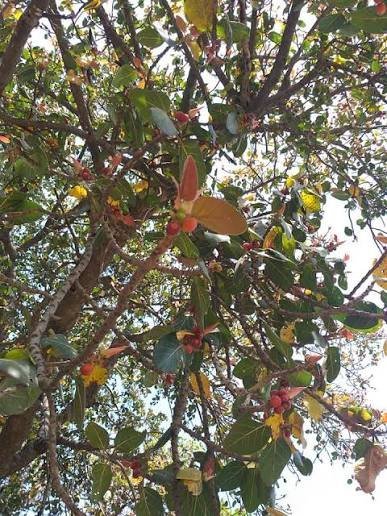
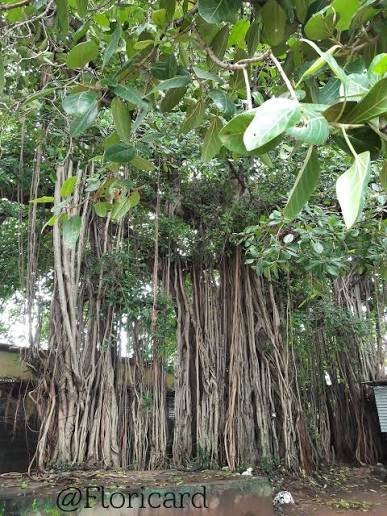
The banyan tree, scientifically known as Ficus benghalensis, is one of the most significant and useful trees found in India. Commonly called Bargad, this tree is not only विशाल (huge) in size but also equally विशाल in its usefulness—ranging from economic benefits to religious importance.
- Economic Importance of the Banyan Tree
The banyan tree is not a mainstream commercial plantation like mango or teak, so its direct business share is relatively small (estimated below 1–2% in the forestry or agro-products sector). However, its indirect value is quite high.
Wood (Lakdi):
Banyan wood is soft and not considered premium timber, but it is still used for:
Low-cost furniture
Packing materials
Fuel (firewood)
Leaves (Patte):
The large leaves are widely used to make dona-pattal (eco-friendly plates and bowls), especially in rural India. With rising demand for biodegradable products, this segment is slowly growing.
Aerial Roots & Bark:
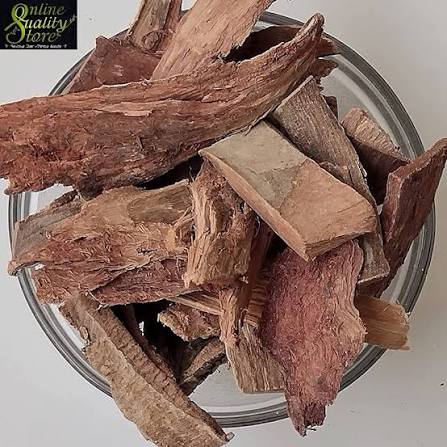
These are used in traditional medicine systems like Ayurveda for treating diabetes, skin disorders, and inflammation.
- Cultivation and Availability
Unlike commercial crops, banyan trees are not widely cultivated in farms for profit. They mostly grow:
Naturally in villages, मंदिरों के आसपास, and open lands
In states like Uttar Pradesh, Bihar, Rajasthan, and Madhya Pradesh
Through natural propagation (birds spreading seeds) or manual planting
Farming of banyan trees as a business is rare, but it can be part of agroforestry or environmental plantation programs.
- Import-Export Status
Banyan tree products have very limited export value.
Some Ayurvedic extracts and leaf-based eco products are exported in small quantities.
There is no major global trade percentage, unlike commercial woods like teak or sandalwood.
- Uses in Daily Life
The banyan tree is a “zero-waste tree”—almost every part is useful:
Leaves: Dona, pattal, animal fodder
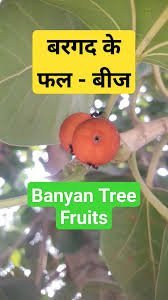
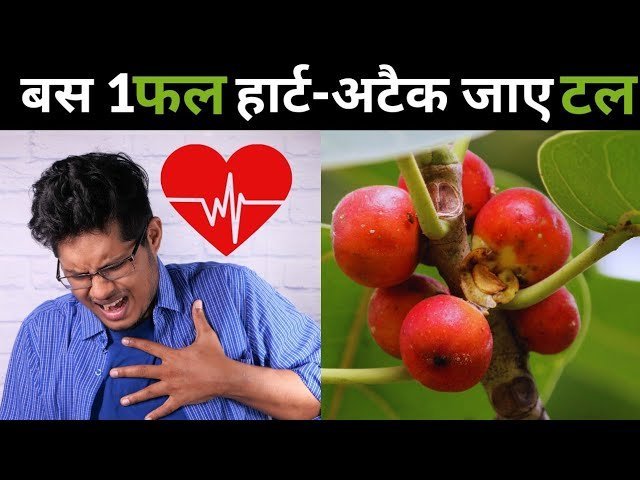
Fruits (small figs): Food for birds and animals
Roots: Ropes and traditional crafts
Latex (milk): Used in folk medicine
Wood: Fuel and low-grade furniture
- Religious and Spiritual Importance
In Indian culture, the banyan tree holds deep spiritual value:
Associated with Lord Shiva and Lord Vishnu
Worshipped during Vat Savitri Vrat, where married women pray for their husband’s long life
Symbolizes immortality and stability because of its long life and expanding roots
In scriptures and traditions, the banyan is considered a sacred representation of life, growth, and eternal existence.
- Use in Foreign Countries
The banyan tree is not limited to India:
It is also found and planted in countries like:
Sri Lanka
Thailand
Indonesia
However, in foreign countries, it is mainly grown as an ornamental or shade tree, not for commercial farming.
- Role in Environment
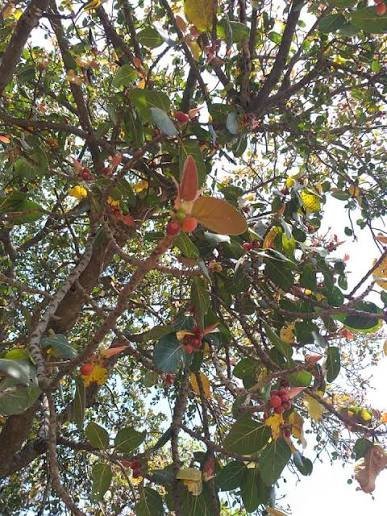
Provides dense shade and reduces temperature
Supports biodiversity (birds, insects, animals)
Helps in soil conservation
Acts as a natural oxygen provider
Conclusion
The banyan tree is not just a tree—it is a complete ecosystem, a cultural symbol, and a silent economic contributor. While it may not dominate global trade or large-scale business, its importance in daily life, environment, traditional medicine, and spirituality makes it priceless.
In a world moving toward sustainability, the humble Bargad once again proves that true value is not always measured in percentage, but in impact.