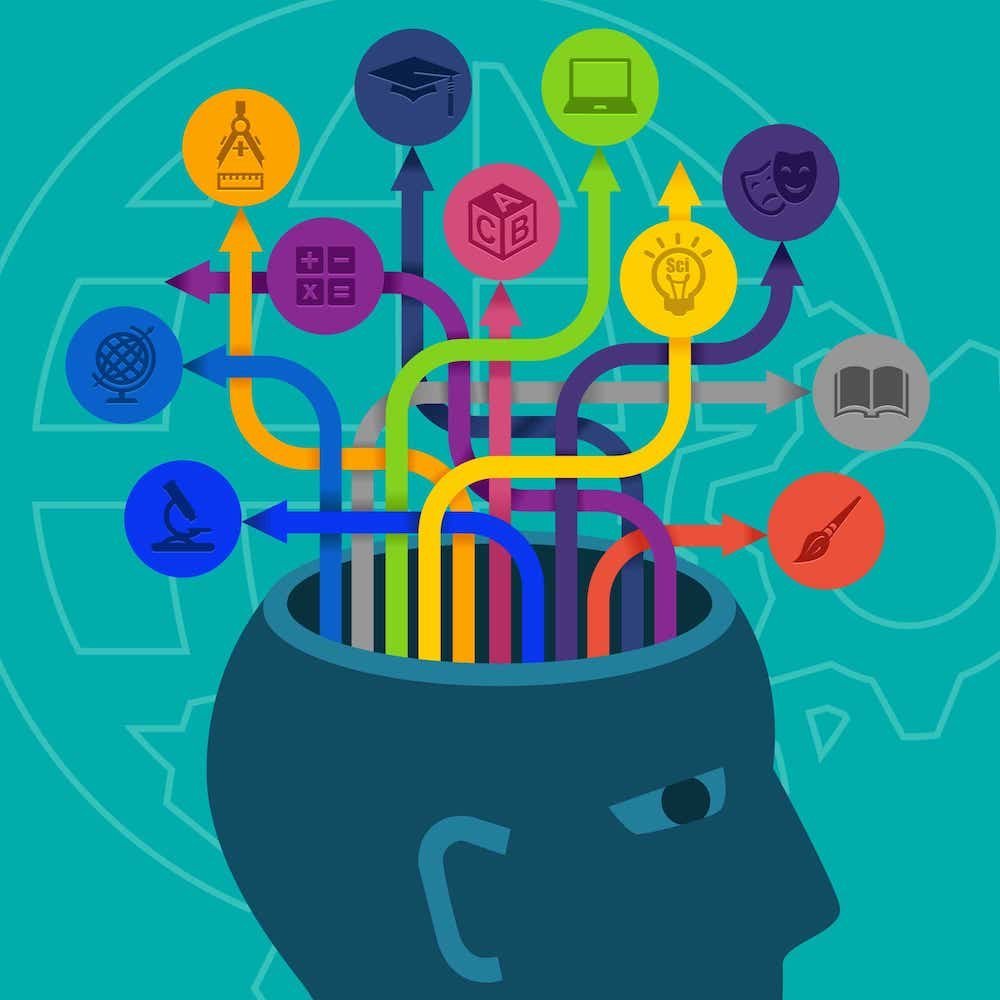
Yoga and Neuroplasticity: Rewiring the Brain Through Ancient Practices
Introduction
For thousands of years, yoga has been practiced as a holistic system for physical health, mental clarity, and spiritual growth. In recent decades, modern neuroscience has begun to uncover how these ancient practices influence the brain. One of the most exciting discoveries is neuroplasticity—the brain’s ability to change, adapt, and rewire itself throughout life. Research now suggests that yoga can actively support neuroplasticity, helping improve emotional balance, focus, resilience, and overall well-being.
This article explores how yoga influences the brain and why ancient yogic practices are increasingly recognized by modern science.
Understanding Neuroplasticity
Neuroplasticity refers to the brain’s capacity to reorganize itself by forming new neural connections.
Key Features of Neuroplasticity
- The brain can change at any age
- Thoughts, habits, and experiences shape brain structure
- Repeated practices strengthen neural pathways
- Healing and learning are always possible
This concept challenges the old belief that the brain is fixed after childhood.
Yoga as a Mind–Body Practice
Yoga is more than physical exercise. It integrates movement, breath, awareness, and meditation, making it uniquely effective for brain health.
Core Elements of Yoga
- Asana (postures): Improve body awareness
- Pranayama (breathing): Regulate the nervous system
- Dhyana (meditation): Cultivate mental clarity
- Mindfulness: Strengthen present-moment awareness
Together, these elements create ideal conditions for positive brain change.
How Yoga Influences the Brain
Scientific studies show that regular yoga practice affects multiple brain regions.
Observed Brain Changes
- Increased gray matter in areas related to memory and learning
- Reduced activity in the stress-related amygdala
- Strengthened connections in attention and emotional regulation centers
These changes reflect healthy neuroplastic adaptation.
Breathwork and Neural Regulation
Pranayama plays a critical role in rewiring the brain.
Impact of Yogic Breathing
- Activates the parasympathetic (calming) nervous system
- Reduces cortisol (stress hormone)
- Improves emotional regulation
- Enhances mental focus
Slow, conscious breathing sends safety signals to the brain, encouraging neural balance.
Meditation and Brain Rewiring
Meditation is one of the most researched aspects of yoga in neuroscience.
Neuroplastic Benefits of Meditation
- Thickening of the prefrontal cortex (decision-making and focus)
- Reduced reactivity in fear-processing regions
- Improved attention and self-awareness
Even short daily meditation sessions can produce measurable brain changes over time.
Yoga, Stress, and Emotional Healing
Chronic stress can negatively reshape the brain, but yoga helps reverse this process.
Stress-Related Benefits
- Lowers anxiety and depression symptoms
- Improves mood stability
- Enhances resilience to emotional challenges
By calming the nervous system, yoga creates space for healthier neural patterns to form.
Mindfulness and Habit Change
Neuroplasticity is closely tied to habit formation.
Yoga’s Role in Behavior Change
- Increases awareness of thought patterns
- Interrupts automatic stress responses
- Encourages conscious choice
This awareness allows individuals to replace harmful habits with healthier ones.
Yoga and Trauma Recovery
Trauma can disrupt neural pathways, but yoga-based practices are increasingly used in therapeutic settings.
Healing Effects
- Restores body–mind connection
- Reduces hypervigilance
- Supports emotional safety
Trauma-informed yoga helps the brain relearn calm and control.
Ancient Wisdom Meets Modern Science
Ancient yogic texts emphasized mental discipline, awareness, and balance—principles now supported by neuroscience.
Shared Insights
- The mind shapes experience
- Repetition builds strength
- Awareness transforms behavior
Modern science is not replacing yoga—it is validating it.
Yoga Across the Lifespan
Neuroplasticity continues throughout life, making yoga beneficial at any age.
Lifelong Benefits
- Supports learning and memory
- Protects against cognitive decline
- Enhances emotional well-being
- Improves quality of life
Yoga encourages lifelong brain adaptability.
Consistency Over Intensity
Neuroplastic change depends on regular practice, not perfection.
Practical Guidance
- Short daily sessions are effective
- Gentle practice is sufficient
- Awareness matters more than complexity
Small, consistent efforts lead to lasting brain change.
Challenges and Misconceptions
Yoga is sometimes misunderstood as purely physical or spiritual.
Clarifying the Truth
- Yoga is a scientifically supported practice
- It complements medical and psychological care
- Authentic practice requires patience and guidance
Understanding yoga holistically enhances its benefits.
The Future of Yoga and Brain Science
As research grows, yoga is becoming a key component of integrative health care.
Emerging Areas
- Mental health therapy
- Cognitive wellness programs
- Stress management in workplaces
- Educational settings
Yoga’s role in brain health continues to expand.
https://mycirclehub2030.com/yoga-and-neuroplasticity-rewiring-the-brain-
Yoga and neuroplasticity reveal a powerful truth: the brain is changeable, and ancient practices can guide that change. Through mindful movement, conscious breathing, and meditation, yoga helps rewire the brain toward balance, clarity, and resilience.
In a world shaped by stress and distraction, yoga offers a timeless, science-backed path to mental renewal. By practicing yoga, we are not only strengthening the body—we are reshaping the brain and rediscovering our capacity for growth.
I
Discover the profound link between yoga and neuroplasticity—how these ancient practices can physically rewire the brain, offering both mental clarity and emotional healing in today’s fast-paced world.
The Power of Yoga: A Pathway to Physical and Mental Harmony
Yoga is often seen as a physical practice, a way to enhance flexibility and strength, but it’s so much more than that. Rooted in ancient Indian traditions, yoga is a spiritual discipline that connects the mind, body, and spirit. For thousands of years, yoga has been a tool for achieving balance, inner peace, and self-awareness. While the practice of yoga is commonly associated with meditation and breathing exercises, it is increasingly gaining attention for its incredible impact on the brain.
Yoga, with its various postures (asanas), breath control (pranayama), and meditation, isn’t just about stretching muscles or improving posture. It’s about rewiring the brain itself. Recent studies on neuroplasticity—the brain’s ability to reorganize and form new neural connections—have revealed that yoga has the potential to physically change the structure and function of the brain. This understanding bridges the gap between ancient wisdom and modern neuroscience.
What is Neuroplasticity: The Brain’s Remarkable Ability to Heal and Adapt
To understand how yoga impacts the brain, it’s essential to first explore the concept of neuroplasticity. Neuroplasticity refers to the brain’s ability to reorganize itself by forming new neural connections throughout life. This process allows the brain to adapt to new experiences, learn new skills, recover from injuries, and even recover from emotional trauma.In the past, scientists believed that the brain’s structure was relatively fixed after a certain age. However, research has shown that the brain is much more adaptable than previously thought. This remarkable ability means that our brains are constantly reshaping based on the thoughts we think, the experiences we have, and the activities we engage in. Neuroplasticity is essentially the brain’s capacity to “rewire” itself in response to the stimuli it receives.
Yoga as a Catalyst for Neuroplastic Change
When it comes to the practice of yoga, the benefits on neuroplasticity are profound. Yoga engages both the mind and the body, triggering changes in the brain’s structure and function. The focus on mindful breathing and controlled movements helps reduce stress and activate specific areas of the brain related to attention, focus, and emotional regulation.
Research suggests that yoga can enhance neuroplasticity by increasing the size of the hippocampus, a region of the brain involved in memory, learning, and emotional regulation. Yoga also influences the prefrontal cortex, the area responsible for decision-making, problem-solving, and impulse control. This makes yoga not just a tool for physical health, but a mental workout that can help improve cognitive function and emotional well-being.
The Role of Breath: A Powerful Tool for Rewiring the Brain
One of the central practices of yoga is pranayama, the control of breath. Breath is not just the act of inhaling and exhaling; it’s a doorway to the brain’s neuroplastic potential. Studies have shown that slow, controlled breathing—such as that practiced in yoga—can have a profound effect on the brain’s structure and function. Slow breathing activates the parasympathetic nervous system, which promotes relaxation, reduces anxiety, and enhances brain connectivity.
In addition, pranayama has been shown to increase the prefrontal cortex’s activity, which helps with decision-making, concentration, and emotional regulation. This suggests that the focused and mindful breathwork in yoga is not just calming the mind but reshaping it to improve emotional resilience and cognitive performance.
Yoga and Stress Reduction: The Impact on Brain Structure
Chronic stress is one of the most common factors contributing to mental health disorders and cognitive decline. Long-term stress can cause the brain to shrink, particularly affecting the hippocampus, which plays a role in memory and emotional regulation. The good news is that yoga offers a countermeasure to stress, helping to prevent and even reverse some of the damage caused by chronic anxiety and tension.Yoga’s focus on relaxation and mindfulness can significantly lower cortisol levels, the hormone associated with stress. Research indicates that regular yoga practice can increase gray matter in the brain, which is involved in muscle control and sensory perception. This is especially significant for older adults, as it suggests that yoga may help prevent age-related cognitive decline.
Meditation and Mindfulness: Enhancing Neuroplasticity
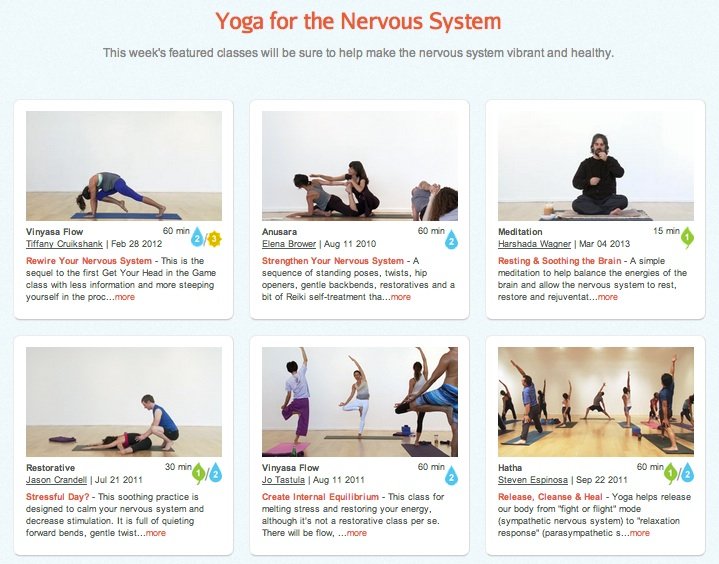
Many forms of yoga also incorporate meditation, a practice that enhances neuroplasticity by improving mindfulness and reducing stress. Meditation has been shown to increase the thickness of the cerebral cortex, the outer layer of the brain responsible for memory, attention, and self-awareness. This effect is particularly beneficial for people dealing with emotional trauma, anxiety, and depression, as it helps the brain form healthier patterns of thought and behavior.
Yoga and meditation together form a potent combination for rewiring the brain’s neural pathways. By practicing mindfulness, individuals can reprogram automatic thought patterns, improve their emotional responses, and develop a greater sense of awareness in their everyday lives. Over time, this can lead to lasting changes in both brain structure and function.
Yoga as a Holistic Approach to Mental Health and Well-Being
Yoga’s impact on neuroplasticity extends beyond its effects on the brain’s physical structure. The practice of yoga encourages self-awareness, emotional balance, and overall well-being. In a world where stress, anxiety, and mental health issues are on the rise, yoga offers a holistic approach to healing the mind and body. It promotes a deep connection to the present moment, fostering emotional resilience and mental clarity.
Research shows that yoga is effective in treating a wide range of mental health conditions, including anxiety, depression, and PTSD. The combination of breathwork, physical postures, and meditation works synergistically to calm the nervous system, regulate emotions, and improve cognitive function. For those seeking a way to cope with life’s challenges, yoga offers a scientifically-backed approach to achieving mental balance and resilience.
Conclusion: The Bridge Between Ancient Wisdom and Modern Neuroscience
Yoga, once considered a purely spiritual practice, is now recognized for its incredible impact on the brain. Through the practice of yoga, individuals are not only improving their physical health but are also rewiring their brains to achieve greater mental clarity, emotional resilience, and overall well-being. As we continue to understand more about neuroplasticity, it’s clear that yoga offers a powerful tool for reshaping the brain and enhancing the mind-body connection.The scientific exploration of yoga and neuroplasticity is just beginning, but early studies show promising results. Whether you’re a seasoned yogi or new to the practice, the benefits of yoga on brain health and cognitive function are undeniable. By incorporating yoga into daily life, individuals can tap into their brain’s potential for growth and healing, creating lasting changes that enhance both mental and physical well-being.
Q&A: Exploring Yoga and Neuroplasticity
Q: How does yoga improve brain function?
A: Yoga improves brain function by activating brain regions related to attention, focus, and emotional regulation. Practices like pranayama and meditation stimulate neural pathways, enhancing neuroplasticity and cognitive abilities.
Q: What role does breath control play in rewiring the brain?
A: Breath control, or pranayama, helps activate the parasympathetic nervous system, reducing stress and increasing brain activity in areas responsible for decision-making and emotional regulation. It promotes overall brain health.
Q: Can yoga help with mental health issues like anxiety and depression?
A: Yes, research shows that yoga can significantly reduce symptoms of anxiety, depression, and PTSD by calming the nervous system, reducing cortisol levels, and improving emotional resilience.
Q: How does meditation contribute to neuroplasticity?
A: Meditation increases the thickness of the cerebral cortex, enhancing areas responsible for memory, attention, and self-awareness. It helps rewire thought patterns, fostering healthier emotional responses and mental clarity.
Q: Is yoga effective for older adults in preventing cognitive decline?
A: Yes, studies indicate that yoga can increase gray matter in the brain, potentially preventing age-related cognitive decline. It supports both physical and mental health, offering a holistic approach to aging.