




Home: The Foundation of Identity, and Positive Living life style
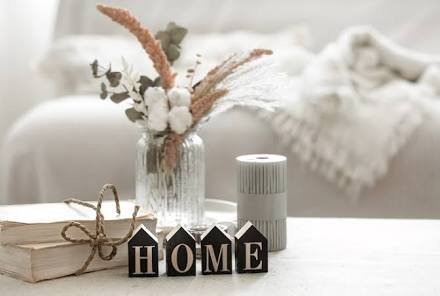

A home is not just a physical structure made of bricks, cement, glass, or steel. It is a sacred space where life begins, emotions grow, memories are created, and identity is formed. From birth to childhood, youth, and old age, a home becomes the silent witness of every joy, struggle, and achievement. It provides safety, comfort, and emotional stability. A well-designed home not only protects the body but also nourishes the mind and soul.
In today’s modern world, homes are built using advanced materials like glass, iron, steel, and concrete. However, beyond strength and beauty, a home must also support positivity, health, and mental peace. The design, materials, colors, furniture, and arrangement all influence human energy and well-being.
This article explains the importance of a home in human life, the right materials to use, and how to create a positive and healthy living environment.
1. Home: The Beginning and End of Every Day
Every day begins and ends at home. It is the first place where we open our eyes in the morning and the last place where we find rest at night. No matter how stressful or successful the day is, returning home provides emotional relief.
A home gives:
- Emotional security
- Physical protection
- Mental peace
- A sense of belonging
- Identity and self-existence
Without a home, a person may survive, but cannot feel complete. A home is the center of human life.
2. Home and Human Identity
A person’s home is closely connected to their identity. It reflects their personality, lifestyle, values, and dreams. From childhood memories to adult achievements, everything is connected to the home environment.
A good home helps in:
- Building confidence
- Reducing stress
- Improving mental stability
- Creating positive thinking
- Supporting emotional growth
A peaceful home environment makes a person stronger and more successful in life.
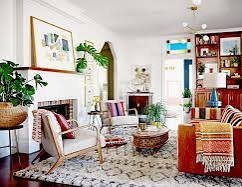
3. Importance of Construction Materials in a Home
Modern homes use many materials such as:
- Cement
- Steel and iron
- Glass
- Wood
- Bricks
- Marble or tiles
Each material has its advantages and disadvantages.
Steel and Iron
Steel and iron make the house strong and durable. They protect the structure from damage and natural disasters. Steel is essential for safety and long life of the building.
However, excessive exposed metal inside the house may create a cold and harsh feeling. It is better to balance metal with wood and natural materials.
Glass in Modern Homes
Glass is widely used in modern homes for windows, doors, and decoration. Glass allows natural light to enter the house, making it look bright and beautiful.
Benefits of glass:
- Increases natural sunlight
- Improves visual beauty
- Makes rooms look bigger
- Saves electricity during daytime
However, excessive use of glass may create problems such as:
- Heat entering the house
- Reduced privacy
- Increased temperature in summer
It is better to use glass in balanced amounts.
4. Importance of Windows for Health and Positive Energy
Windows are very important for a healthy home. They allow:
- Fresh air circulation
- Natural sunlight
- Removal of negative energy
- Proper ventilation
A home without proper windows may feel suffocating and unhealthy.
Windows made of glass are useful, but windows that can open properly and allow fresh air are more important than fixed glass walls.
Fresh air improves:
- Lung health
- Mental clarity
- Sleep quality
- Emotional balance
5. Role of Sunlight in a Healthy Home

Sunlight is essential for human health and positivity.
Benefits of sunlight:
- Kills harmful bacteria
- Improves mood
- Provides Vitamin D
- Reduces depression
- Keeps home fresh and clean
A home should receive sunlight, especially in the morning.
Dark homes can create:
- Negative emotions
- Laziness
- Depression
- Health problems
Light brings life and positivity.
6. Importance of Bedroom and Bed Position
The bedroom is the place where the body and mind recover. Proper bed placement and comfort are very important.
A good bed should:
- Be comfortable
- Support the spine
- Provide peaceful sleep
Poor sleeping arrangements can cause:
- Back pain
- Stress
- Fatigue
- Poor mental health
Sleep directly affects productivity and emotional balance.
7. Colors of Walls and Their Effect on Mind
Colors influence human emotions and energy.
Positive colors for walls:
- Light white
- Light blue
- Light green
- Cream
- Light yellow
These colors create calmness and peace.
Colors to use carefully:
- Dark red
- Dark black
- Very dark grey
Too much dark color can create heaviness and stress.
Light colors make the house feel open, clean, and peaceful.
8. Importance of Cleanliness and Organization
A clean and organized home creates positive energy.
Benefits of cleanliness:
- Reduces stress
- Improves mental clarity
- Prevents disease
- Creates peaceful environment
Dirty and cluttered homes create negative feelings and discomfort.
Regular cleaning improves health and happiness.
9. Furniture and Objects in a Home
Furniture should be simple, useful, and comfortable.
Avoid excessive furniture because:
- It blocks movement
- Creates clutter
- Reduces positive energy flow
Essential furniture includes:
- Comfortable bed
- Useful chairs
- Clean table
- Proper storage
Minimal and organized furniture improves peace of mind.
10. Importance of Natural Materials
Natural materials like wood, cotton, and natural fabrics create warmth and comfort.
Benefits of natural materials:
- Healthier environment
- Better emotional comfort
- Improved mental peace
Natural materials connect humans with nature.
11. Things to Avoid in a Home
Some things should be avoided because they create negative feelings.
Avoid:
- Broken items
- Dirty corners
- Too much clutter
- Poor ventilation
- Excessive darkness
A clean and balanced home creates happiness.
12. Emotional Importance of Home
A home is where:
- A child learns to walk
- A family shares meals
- People celebrate happiness
- People find comfort in sadness
A home gives emotional strength.
It protects not only the body but also the heart.
13. Psychological Impact of a Positive Home
A good home environment improves:
- Mental health
- Emotional balance
- Productivity
- Sleep quality
A peaceful home creates a peaceful mind.
14. Modern vs Traditional Home Balance
Modern materials like steel and glass are useful, but balance is important.
A good home should have:
- Strong structure
- Natural light
- Fresh air
- Comfortable furniture
- Simple design
Technology should support comfort, not replace human well-being.
15. Home: The Most Valuable Place in Human Life
A home is more than a building. It is a symbol of existence, identity, and emotional security.
A good home provides:
- Safety
- Peace
- Happiness
- Health
- Emotional strength
It becomes part of human life and personality.
Conclusion
A home is the foundation of human life. It shapes identity, protects emotions, and provides peace and stability. The materials used in construction, the presence of sunlight, proper ventilation, comfortable furniture, and clean surroundings all contribute to a healthy and positive living environment.
Modern materials like glass and steel are useful, but balance with natural light, fresh air, and simplicity is essential. A home should not only look beautiful but also support mental peace, physical health, and emotional happiness.
A well-designed home becomes a place where a person feels safe, confident, and complete. It is the most important space in human life, where existence finds meaning and the soul finds peace.