


Who is Shiva? The Meaning of Ardhanarishvara and the Path
Introduction: Understanding Shiva lo
Beyond Mythology
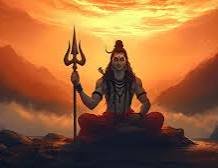
In the vast ocean of Indian spirituality, Shiva stands as one of the most profound and mysterious figures. He is not just a god in the traditional sense, but a symbol of the entire universe—its beginning, its balance, and its end. Shiva represents both the stillness of meditation and the dynamic energy of life.
From ancient scriptures like the Shiva Purana, Ramayana, and Mahabharata, we learn that Shiva is timeless—existing from Shunya (emptiness) to Anant (infinity). He is the source of creation and the ultimate dissolution.
This article explores who Shiva is, why he is called Ardhanarishvara, and how his teachings guide both spiritual and practical life.
Who is Shiva? The Lord of the Universe
Shiva is known as Mahadev, the greatest of all gods. He is part of the Hindu Trinity (Trimurti):
Brahma – The Creator
Vishnu – The Preserver
Shiva – The Destroyer and Transformer
But destruction here does not mean negativity—it means transformation. Just like old leaves fall to make way for new ones, Shiva destroys ignorance and ego to create wisdom and truth.
Shiva lives a simple life:
He wears ashes (symbol of detachment)
Lives on Mount Kailash
Meditates deeply
Yet is also a loving husband and father
This dual nature shows that Shiva balances both spiritual life and worldly responsibilities.
Ardhanarishvara: The Union of Shiva and Shakti
One of the most powerful forms of Shiva is Ardhanarishvara.
What Does Ardhanarishvara Mean?
“Ardha” = Half
“Nari” = Woman
“Ishvara” = God
This form shows Shiva as half male and half female, united with Parvati.
Spiritual Meaning
Ardhanarishvara represents:
Balance between masculine and feminine energy
Unity of body and soul
Harmony between logic (Shiva) and emotion (Shakti)
It teaches that creation is only possible when two energies work together.
Shiva: From Shunya to Infinity
Shiva is often described as:
Beginning (Creation)
Middle (Preservation)
End (Destruction)
He is linked with the concept of Shunya (Zero or Emptiness).
What is Shunya?
Shunya is not nothingness—it is a state of:
Deep silence
Pure awareness
Infinite potential
Through meditation, one can experience this state.
Meditation and Shiva: The Path to Inner Peace
Shiva is known as the Adi Yogi, the first yogi.
Importance of Meditation
Meditation helps:
Control the mind
Reduce stress
Increase focus
Connect with inner self
When the mind becomes still, it moves towards Shunya.
How Meditation Relates to Shiva
Shiva in meditation represents:
Total concentration
Freedom from desires
Awareness of the universe
Puja and Spiritual Practices
There are many ways to worship Shiva:
Chanting “Om Namah Shivaya”
Offering water or milk to Shivling
Observing fasts like Mahashivratri
Power of Devotion
When two energies (mind and heart) come together in worship:
Spiritual power increases
Positive energy flows
Inner transformation begins
Body, Nutrition, and Spiritual Growth
Spiritual life is not separate from physical life.
Why Nutrition is Important
A healthy body supports:
Better meditation
Strong concentration
Emotional balance
Just like the body needs food, the soul needs:
Meditation
Devotion
Positive thoughts
Love and Compassion in Shiva’s Life
Shiva’s life teaches the importance of:
Love
Acceptance
Simplicity
His relationship with Parvati shows:
Deep respect
Equality
Emotional connection
He accepts everyone—from gods to demons—showing true compassion.
Spiritual Awakening: When Mind and Heart Align
Spiritual growth begins when:
Mind becomes calm
Heart becomes pure
Ego reduces
Signs of Awakening
Increased awareness
Detachment from negativity
Attraction towards meditation
When this happens, a person moves closer to Shunya.
Why Negative Methods Do Not Work
Spiritual power cannot be achieved through:
Darkness
Harmful practices
Ego-driven actions
True power comes from:
Purity
Discipline
Devotion
Lessons from Shiva for Modern Life
In today’s fast world, Shiva’s teachings are very relevant:
- Balance is Key
Balance work, family, and spirituality. - Control the Mind
A peaceful mind leads to a successful life. - Stay Simple
Happiness is in simplicity, not materialism. - Respect Nature
Shiva is closely connected to nature. - Accept Change
Transformation is part of life.
Stories from Scriptures
Shiva in the Ramayana
In the Ramayana:
Rama worships Shiva
Ravana was also a great devotee of Shiva
Shiva in the Mahabharata
In the Mahabharata:
Arjuna receives blessings from Shiva
These stories show that Shiva blesses those who are devoted, regardless of their background.
The Universe as Shiva
Many spiritual philosophies say:
“The entire universe is Shiva.”
This means:
Everything is connected
Energy flows through all beings
We are part of the same cosmic reality
Achieving Shunya Through Practice
To reach the state of Shunya:
Practice meditation daily
Follow a disciplined life
Eat healthy food
Stay positive
It is a gradual process—not instant.
Conclusion: Shiva as a Way of Life
Shiva is not just a deity—he is a way of life.
He teaches:
Balance between material and spiritual life
Importance of love and compassion
Power of meditation and inner peace
From Shunya to Infinity, Shiva represents the journey of every human being—from ignorance to enlightenment.
By understanding and applying Shiva’s teachings, we can live a:
Healthy life
Peaceful mind
Spiritually fulfilled existence