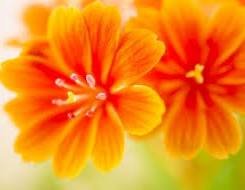
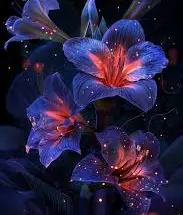
Introduction Flowers are one of the most beautiful and meaningful creations of nature. They are not only symbols of beauty and love but also play an essential role in human life. From their soothing fragrance to their medicinal value, flowers influence our physical, emotional, and social well-being in many ways. In today’s fast and stressful world, flowers are have become more important than ever.
🌿 1. The Power of Fragrance: How Flowers Affect the Mind One of the most important qualities of flowers is their fragrance. A pleasant smell can instantly change a person’s mood. When we smell flowers, our brain releases chemicals that reduce stress and bring happiness. Flowers like Lavender, Rose, and Jasmine are widely known for their calming and refreshing effects. Benefits of fragrance:
Reduces stress and anxiety
Helps in depression relief
Improves sleep quality
Refreshes the mind
This is why aromatherapy uses flower-based oils to treat mental health issues.
🌼 2. Smell and Human Comfort Smell plays a very important role in human interaction. If a person has a bad body odor, people feel uncomfortable sitting near them. On the other hand, if someone uses perfume, powder, or clean clothes with a pleasant fragrance, it creates a positive impression.
Good fragrance → Comfort and attraction
Bad smell → Discomfort and avoidance
That is why today soaps, detergents, perfumes, and room fresheners are made using floral extracts.
🌺 3. Flowers in Medicines and Ayurveda Flowers have been used in medicine for centuries. In Ayurveda and natural healing systems, flowers are considered powerful healing agents. Examples:@
lo
Chamomile – used for sleep and stress relief
Lotus – used in cooling and heart-related remedies
Hibiscus – beneficial for hair and blood pressure
Eye care (Ankho ki dawayi): Flowers like rose are used in making rose water, which helps:
Reduce eye irritation
Provide cooling effect
Clean and refresh eyes
🍽️ 4. Flowers in Food and Daily Products Flowers are not only used for decoration but also in food and daily life products. In food:
Rose syrup
Kewra water
Herbal teas
In products:
Face creams and oils
Perfumes and deodorants
Soaps and detergents
Today, almost every product contains some form of fragrance, and flowers are the primary source.
🌾 5. Flower Cultivation in India (Floriculture Industry) India is one of the leading producers of flowers in the world. 📊 Key Statistics:
Around 15–20 lakh hectares of land is used for flower cultivation
India contributes about 7–8% of global flower production
Floriculture is a fast-growing agricultural sector
🌍 6. Major Flower-Producing States in India Flowers are grown across many states in India, especially where climate conditions are suitable.
Tamil Nadu
Karnataka
West Bengal
Maharashtra
Uttar Pradesh
These states produce flowers for domestic use as well as export.
🌹 7. Most Commonly Grown Flowers in India Some flowers are produced in large quantities due to their high demand:
Marigold – used in festivals and decoration
Rose – used in perfumes and gifts
Jasmine – used in oils and garlands
Tuberose – used in perfumes
Lotus – religious importance
🌍 8. Export and Import of Flowers India exports a significant quantity of flowers to foreign countries. 📦 Export Details:
Around ₹500–700 crore worth of flowers exported annually
Major export destinations:
USA
Netherlands
UAE
UK
Percentage:
Around 10–15% of total production is exported
Remaining is used domestically
🍴 9. Percentage of Flowers Used in Food Only a small portion of flowers is used in food products.
Approximately 2–5% of total flowers are used in food and beverages
Majority is used for decoration, religious purposes, and fragrance industry
💰 10. Economic Benefits of Flowers Flowers contribute significantly to the economy:
रोजगार (employment) for farmers and workers
Small businesses like florists and decorators
Export income
Growth of perfume and cosmetic industries
Floriculture supports millions of livelihoods in India.
🌸 11. Most Important Flowers and Their Uses Some flowers are especially important due to their wide range of uses:
Rose – perfume, medicine, food
Lavender – aromatherapy
Jasmine – fragrance and oil
Marigold – decoration and festivals
Hibiscus – health and beauty
🧘 12. Emotional and Spiritual Importance Flowers are deeply connected with human emotions and spirituality.
Used in पूजा (worship)
Meditation and relaxation
Expressing love and respect
Creating a peaceful environment
They bring positivity and calmness to life.
🌸 Conclusion Flowers are much more than just beautiful objects. They are a powerful part of human life that influence our mind, health, relationships, and economy. Their fragrance refreshes us, their medicinal properties heal us, and their presence brings joy and positivity. In a world full of stress and pollution, flowers act as a natural therapy. They remind us of the beauty of nature and help us stay connected with it. 👉 Therefore, flowers are not just a luxury—they are a necessity for a happy, healthy, and balanced life.
Essential cookies enable basic functions and are necessary for the proper function of the website.
Name
Description
Duration
Cookie Preferences
This cookie is used to store the user's cookie consent preferences.
30 days
These cookies are needed for adding comments on this website.
Name
Description
Duration
comment_author
Used to track the user across multiple sessions.
Session
comment_author_email
Used to track the user across multiple sessions.
Session
comment_author_url
Used to track the user across multiple sessions.
Session
Google's current Sign in with Google client library. It renders the Google sign-in button, or the One Tap prompt, so visitors can log in to your site with their Google account. It replaces the older Google Sign-In platform library.
Set on your own domain by the Sign in with Google client library. Records whether the visitor has dismissed the One Tap sign-in prompt and for how long it should stay hidden, plus the time the library last loaded and a browsing session id used for the same purpose. Sites that pass a custom state_cookie_name will see that name instead.
180 days
g_csrf_token
Set on your own domain by the Sign in with Google client library and submitted together with the sign-in credential, so your site can confirm the sign-in came from its own page and not from a forged cross-site request.
5 minutes
Google Tag Manager simplifies the management of marketing tags on your website without code changes.
Name
Description
Duration
cookiePreferences
Registers cookie preferences of a user
2 years
td
Registers statistical data on users' behaviour on the website. Used for internal analytics by the website operator.
session
Statistics cookies collect information anonymously. This information helps us understand how visitors use our website.
Google Analytics is a powerful tool that tracks and analyzes website traffic for informed marketing decisions.
Contains information related to marketing campaigns of the user. These are shared with Google AdWords / Google Ads when the Google Ads and Google Analytics accounts are linked together.
90 days
__utma
ID used to identify users and sessions
2 years after last activity
__utmt
Used to monitor number of Google Analytics server requests
10 minutes
__utmb
Used to distinguish new sessions and visits. This cookie is set when the GA.js javascript library is loaded and there is no existing __utmb cookie. The cookie is updated every time data is sent to the Google Analytics server.
30 minutes after last activity
__utmc
Used only with old Urchin versions of Google Analytics and not with GA.js. Was used to distinguish between new sessions and visits at the end of a session.
End of session (browser)
__utmz
Contains information about the traffic source or campaign that directed user to the website. The cookie is set when the GA.js javascript is loaded and updated when data is sent to the Google Anaytics server
6 months after last activity
__utmv
Contains custom information set by the web developer via the _setCustomVar method in Google Analytics. This cookie is updated every time new data is sent to the Google Analytics server.
2 years after last activity
__utmx
Used to determine whether a user is included in an A / B or Multivariate test.
18 months
_ga
ID used to identify users
2 years
_gali
Used by Google Analytics to determine which links on a page are being clicked
30 seconds
_ga_
ID used to identify users
2 years
_gid
ID used to identify users for 24 hours after last activity
24 hours
_gat
Used to monitor number of Google Analytics server requests when using Google Tag Manager