


The Struggle for Basic Needs in the 21st Century: Inflation
Introduction
In today’s fast-moving 21st century world, human life is surrounded by essential needs—food to eat, products to use, and clean air to breathe. These are not luxuries; they are basic rights. However, a growing concern is emerging: what happens when these essentials become expensive, fake, or unsafe? This situation is not just about discomfort—it directly affects survival, health, and dignity.
Basic Needs vs. Market Reality
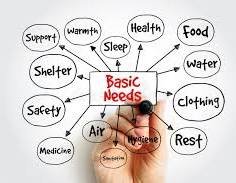
Every human being depends on three fundamental things:
Food (Khana)
Daily-use products (Kapde, household items)
Clean air and environment
But today’s markets are flooded with:
Low-quality or adulterated food
Fake or duplicate products
Increasing pollution

Instead of improving life, these factors are making survival more difficult, especially for the common person.
Impact of Expensive and Fake Products
When essential goods become costly or fake, the effects are serious:
- Health Problems
Cheap and adulterated food leads to:
Malnutrition
Stomach infections
Long-term diseases
Unhealthy packaged food and chemically treated items are silently damaging the human body.
- Mental Stress
When income is low but expenses are high, people face:
Anxiety
Depression
Constant financial pressure
- Loss of Trust
Fake products reduce trust in:
Companies
Markets
Even basic necessities like milk, oil, and medicines
An Economic Imbalance: Income vs. Expenses
We can understand the crisis through a simple ratio:
Ideal Ratio:
Income : Expenses = 1 : 0.7 (70%)
Current Reality (for many people):
Income : Expenses = 1 : 0.9 or even 1 : 1.1
This means:
Either people are saving nothing
Or they are falling into debt
Why Are Essential Goods Becoming Expensive?
Several reasons explain rising prices:
- Inflation
Prices increase every 6 months or 1 year, sometimes by ₹10–₹60 or more. - Supply Chain Issues
Raw materials may be:
Limited
Poor in quality
Expensive to transport
- Profit-Driven Systems
Many companies prioritize profit over:
Quality
Affordability
- Overproduction and Waste
Markets are full of products, but:
Not all are necessary
Many are unsold or wasted
Are There Really So Many Factories and Raw Materials?
A common question arises: Are all these products genuinely produced in such huge quantities?
The truth is:
Yes, industries are expanding rapidly
But raw material quality is often compromised
Artificial or chemical substitutes are widely used
This leads to:
Lower durability
Harmful side effects
Adulteration: Where Is It Most Common?
Some products are more prone to mixing and duplication:
Milk and dairy products
Cooking oils and spices
Packaged snacks and street food
Cosmetics and daily-use items
These are often diluted or chemically altered to reduce cost and increase profit.
The Role of Social Media and Companies
Today, companies earn not only from products but also from:
Advertising
Social media promotions
Branding
However, workers and employees often:
Receive low salaries
Work long hours
This creates an imbalance where:
Companies grow richer
Workers struggle to survive
Spiritual Freedom and Modern Restrictions
Another important issue is the growing interference in:
Worship (Puja)
Meditation
Personal spiritual practices
In some cases:
Commercialization of spirituality
Paid access to peace and meditation
This raises a question:
Should inner peace also become expensive?
How Long Can Humans Struggle?
The struggle continues when:
Basic needs are unaffordable
Salaries do not increase
Quality is compromised
An average person can tolerate only up to a limit. Beyond that:
Social unrest may rise
Health crises increase
Inequality becomes extreme
Solutions: Creating a Fair System
To improve life, certain systems must be implemented:
- Controlled Production
Produce only what is necessary
Reduce waste and overproduction
- Price Regulation
Limit price increases
Fix essential goods at affordable rates
- Quality Control
Strict laws against adulteration
Regular product testing
- Fair Salary System
Salaries should increase with inflation
Skilled workers must get fair pay
- Awareness Among People
Avoid unnecessary consumption
Choose quality over quantity
Conclusion
The 21st century promises progress, but for many, it has become a struggle for basic survival. When food becomes fake, products become unaffordable, and salaries remain low, life becomes unbalanced.
A fair system is not just about economic growth—it is about human dignity, health, and equality. If society can create a balance between income, expenses, and quality, then every individual can live a stable and meaningful life.
Otherwise, the gap between rich and poor will continue to grow, pushing the common person into an endless cycle of struggle.