


The Aak Plant: Uses, Benefits, and Harmful Effects
The Aak Plant: USES, Benefits, and Harmful Effects
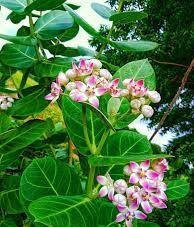
The Aak plant, scientifically known as Calotropis gigantea (also called Madar or Crown Flower), is a common plant found along roadsides, in dry fields, and in rural as well as urban areas across India. Though often ignored as a wild shrub, it holds deep importance in traditional medicine, religious practices, and folklore.
Appearance and. Nature of the Plant
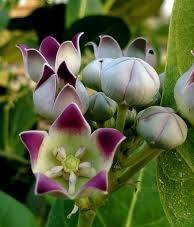
The Aak plant is a hardy shrub that grows easily in poor soil and harsh climates. Its leaves are thick, green, and . slightly waxy. When broken, the plant releases a milky white latex, which is considered both medicinal and toxic. The flowers are usually white or purple and are used in various rituals.
Religious Importance
In Indian culture, theAak plant is closely associated with lord Shiva. Its flowers and leaves are offered during worship, especially in festivals like Mahashivratri. Devotees believe that offering Aak flowers pleases Lord Shiva and brings spiritual benefits. The plant is also used in various पूजा (rituals) and traditional ceremonies.
Medicinal Uses
The Aak plant has been used in Ayurveda for centuries. Different parts of the plants serve various purposes:
Leaves: used to reduce swelling and pain when applied externally.
Latex (milk): Applied in very small quantities for skin issues llike warts and infections.
Roots and bark: Used in some traditional remedies for digestive and respiratory problems.
In Ayurveda, the plant is known for its anti-inflammatory, analgesic, and antimicrobial properties. However, its use must be carefully controlled.
Harmful Effects
Despite its benefits, the Aak plant can be dangerous if misused:
The milky latex is toxic and can cause skin irritation, burns, or allergic reactions.
If it comes in contact with the eyes, it may cause severe irritation or temporary vision problems.
Ingestion of any part of the plant can be harmful and mat lead to poisoning.
Therefore, it should never be used without proper knowledge or guidance.
Environmental Role
The Aak plant plays an important role in nature. It helps prevent soil erosion and can grow in barren lands where other plants cannot survive. It also supports certain insects and pollinators, contributing to biodiversity.
Conclusion
The Aak plant is a unique example of nature’s dual power—both healing and harmful. It is valuable in medicine and religious practices, yet it requires careful handling. Understanding its proper use can help us benefit from its qualities while avoiding its dangers.