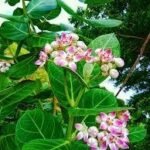




The Peepal Tree: Sacred Beliefs, Scientific Facts
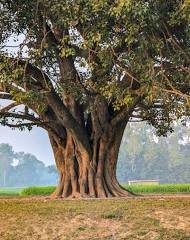
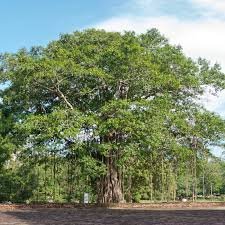
The Peepal Tree: sacred Beliefs, Scietific Facts, and Health Benefits
The Peepal tree is one of the most respected and spiritually significant trees in India. Known for its deep roots in tradition, religion, and even medicine, the Peepal tree holds a unique place in both belief systems and scientific understanding.
Spiritual Importance of the Peepal Tree
In Hindu traditions, the Peepal tree is considered sacred and is often associated with divine presence. Many people believe that various deities reside in it, and that sitting under this tree for meditation brings peace and spiritual growth.
In texts like the Bhagavad Gita, the Peepal tree is described asa symbol of life and eternity. It is commonly worshipped during rituals, and offerings like water, lamps, and prayers are made under it.
People also perform tapasya (meditation) under this tree because it is believed to enhance concentration and inner awareness.
Beliefs About Spirits and Myths
There is a popular belief that spirits or supernatural beings reside in the Peepal tree, especially at night. However, these are cultural beliefs and not scientifically proven.
Such ideas often developed to:
Encourage respect and protection of trees
Prevent people from going out at night unnecessarily
Maintain a sense of sacredness around nature
Scientific Facts About the Peepal Tree
From a scientific perspective, the Peepal tree is highly beneficial:
It produces a significant amount of oxygen during the day
It provides dense and cool shade
It supports biodiversity by hosting birds, insects, and small animals
Why Not Sleep Under It at Night?
At night, like most plants, the Peepal tree:
Releases carbon dioxide instead of oxygen
This can make breathing uncomfortable in dense areas
That is why it is advised not to sleep under it at night—not because of spirits, but due to natural biological processes.
Medicinal Benefits
The Peepal tree has been used in traditional medicine (Ayurveda) for centuries:
Leaves – used for treating asthma and skin issues
Bark – helpful in managing diabetes and infections
Fruits (figs) – support digestion and gut health
Latex (sap) – used in some remedies for wounds
These uses should always be guided by proper knowledge or medical advice.
Use in Worship and Rituals
The leaves of the Peepal tree are widely used in religious practices:
Offered in prayers and rituals
Used in sacred decorations
Symbolize purity and life
Women often worship the Peepal tree for family well-being and long life of loved ones.
Shade and Environmental Value
The Peepal tree provides excellent shade, especially in hot climates. Its wide canopy:
Reduces temperature around it
Creates a calm and peaceful environment
Makes it an deal place for rest and meditation during the day
Do Animals Like Bears Come to It?
Sometimes animals may come near Peepal trees because:
They provide shade and shelter
Fruits may attract certain animals
However, there is no special medicinal or food use related to bears specifically. This is more about natural habitat than unique properties.
Food Uses
The small fruits of the Peepal tree are edible, though not commonly used as a regular food. In some traditional practices, they are consumed for health benefits in small quantities.
Conclusion
The Peepal tree is a beautiful blend of spirituality, tradition, and science. While many beliefs around it come from culture and faith, its real value lies in:
Environmental benefits
Medicinal uses
Spiritual significance
Understanding both belief and science helps us respect this tree in a balanced and meaningful way.