The Pineal Gland (“Master Gland”), Chakras, and the Human Body:
The Pineal Gland(“Master Gland”), Chakras, and the Human Body: Science and Spiritual Perspectives
The Pineal gland is a very small structure deep in the brain, yet it has drawn a lot of attention—both in science and in spirituality. Some traditions call it a “master gland,” while others link it with higher awareness or the “third eye.” To understand it properly, it helps to separate what science confirms from what spiritual traditions symbolically describe.
What the Pineal Gland Does (Science)
Scientifically, the pineal gland:
Produces melatonin, a hormone that regulates sleep–wake cycles
Helps maintain the body’s biological clock (circadian rhythm)
Responds to light and darkness (more melatonin in the dark)
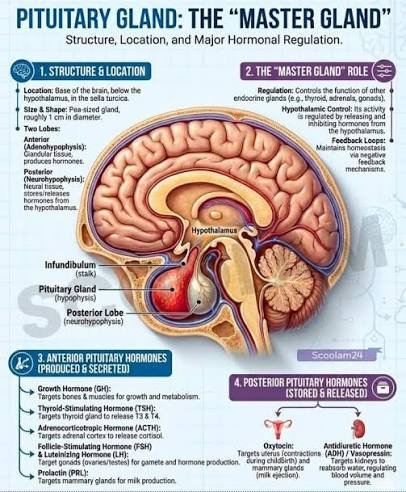
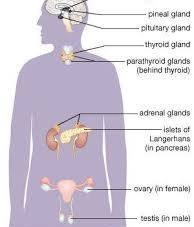
It works alongside other glands in the endocrine system, such as the Pituitary gland (often called the “master gland” in medicine because it controls many hormones) and the Thyroid gland (which regulates metabolism).
Important clarity: in strict medical terms, the pituitary is usually called the “master gland,” not the pineal. The pineal is important, but mainly for sleep regulation.
Spiritual View: Third Eye and Inner Awareness
In many spiritual systems, especially yoga traditions, the pineal region is associated with the Ajna chakra.
Symbolically, this represents:
Intuition and insight
Inner vision and awareness
Mental clarity and focus
Meditation practices often focus attention in this area—not because of proven physical “powers,” but because it helps train attention and awareness.
Vedic Ideas: Chakras and “Divine Centers”
Ancient texts (Vedic and yogic traditions) describe the body using symbolic “energy centers” called chakras. These are not physical organs like glands, but conceptual maps of experience:
Ajna (forehead) → insight, clarity
Anahata (heart) → compassion, love
Manipura (navel) → energy, willpower
Muladhara (base) → stability, survival
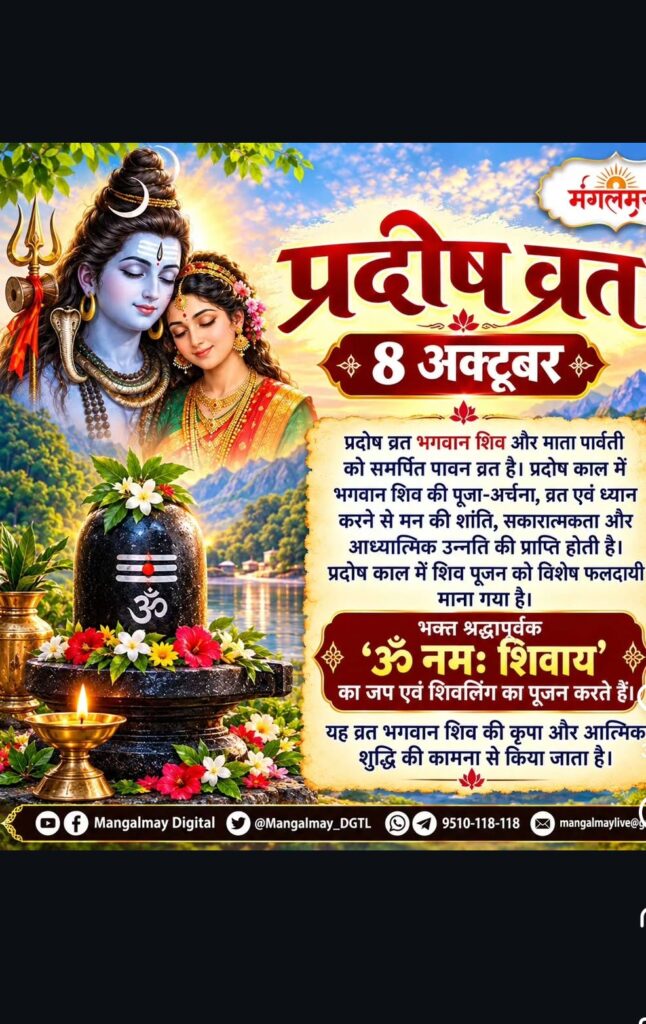
Some traditions poetically describe these as places where “divine presence” is felt—e.g., the heart associated with unity or devotion (often linked with deities like Shiva–Parvati in devotional language). These are spiritual metaphors, not anatomical locations.
Meditation and the Body
Meditation is beneficial because it:
Reduces stress and calms the nervous system
Improves focus and emotional balance
Can indirectly support better sleep (via melatonin rhythms)
It is helpful, but it is not the only source of nutrition or health. The body also needs:
Balanced diet (proteins, vitamins, minerals)
Sleep and hydration
Physical activity
Meditation and physical health support each other, but they are not substitutes.
Can Glands Become Harmful?
Glands themselves are essential for health. Problems arise when hormones are too high ir too low:
Excess or deficiency of thyroid hormones → metabolism issues
Pituitary imbalance → growth or hormonal disorders
Melatonin imbalance → sleep problems
You cannot “overuse” a gland through meditation. However, extreme habits—like poor sleep, stress, or unhealthy diet—can disturb hormonal balance.
What to Follow for Balance
To keep both body and mind healthy:
Maintain a regular sleep schedule (supports pineal function)
Practice moderate meditation, not extreme or forced
Eat a balanced diet
Stay physically active
Avoid misinformation about “instant spiritual powers”
Balance is the key—neither blind belief nor complete rejection.
Conclusion
The Pineal Gland is an important part of the body, mainly responsible for regulating sleep through melatonin. Spiritual traditions connect it symbolically with the Ajna chakra, representing awareness and insight.
Vedic descriptions of chakras and “divine centers” are symbolic ways to understand human experience, while science explains the physical and measurable functions of glands.
Both perspectives can coexist—if we understand their limits. True growth comes from balanced living, clear thinking, and steady practice, not from exaggerating any single idea.