


Shisham Tree: A Valuable Gift of Nature for Furniture,
Shisham Tree: A Valuable Gift of Nature for Furniture, Medicine, and Culture
The Shisham tree, scientifically known as Dalbergia sissoo, is one of the most important and widely recognized trees in India. Known for its strong and durable wood, Shisham has been used for centuries in furniture making, traditional medicine, and even in religious practices. It is a symbol of both utility and natural richness.
Physical Features and Growth
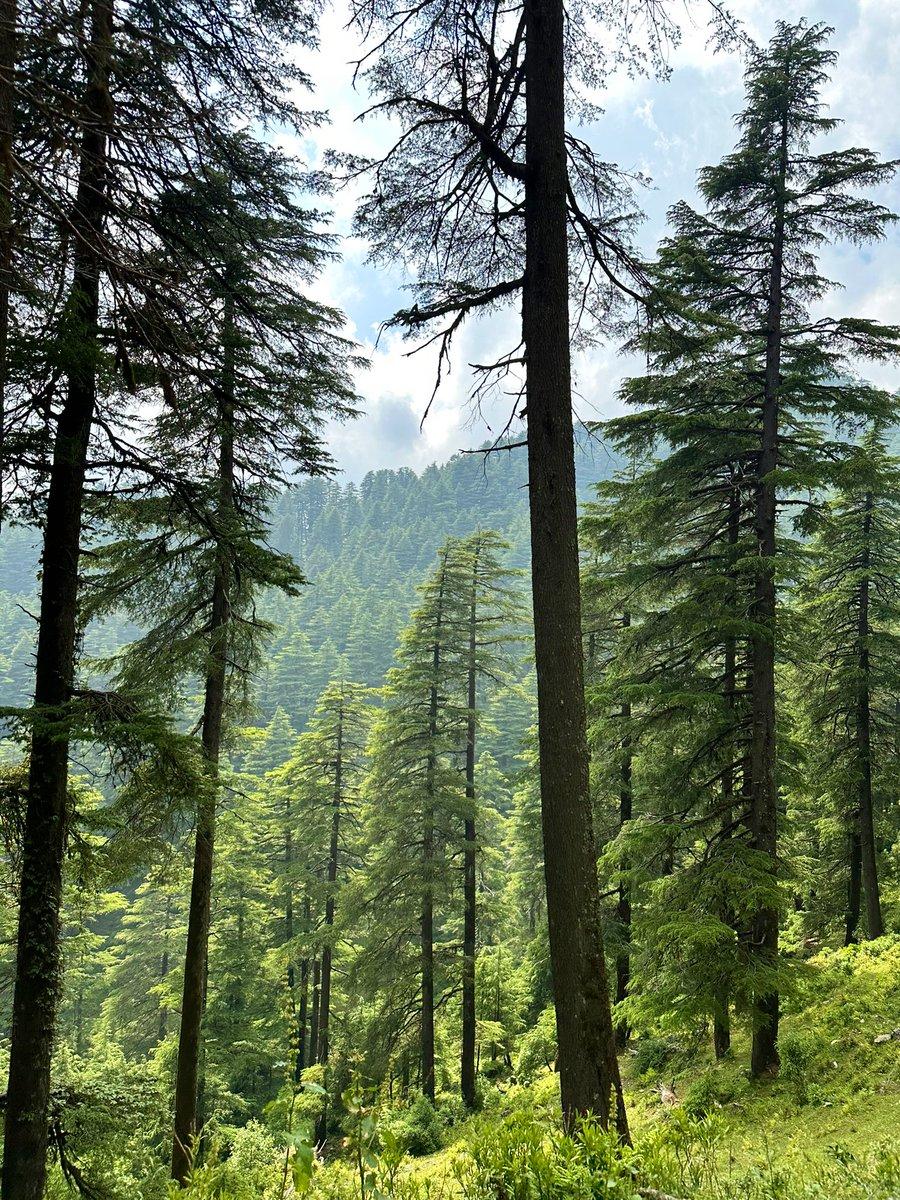
Shisham is a tall, fast-growing deciduous tree that can reach heights of 15–25 meters. Its trunk is straight, and its branches spread out, though its shade is relatively light and not very dense. Unlike some trees that create thick cover, Shisham allows sunlight to pass through, making it suitable for roadside and agricultural plantations.
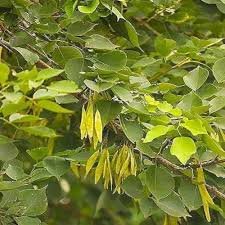
The tree also produces small, pale yellow or whitish flowers during the flowering season, followed by thin pods containing seeds. While large trees are common, smaller Shisham trees are less frequently seen, as the species naturally tends to grow tall.
Importance in Furniture Making
One of the most significant uses of Shisham is in furniture production. Its wood is:
Extremely strong and durable
Resistant to termites and decay
Naturally polished with a rich brown texture
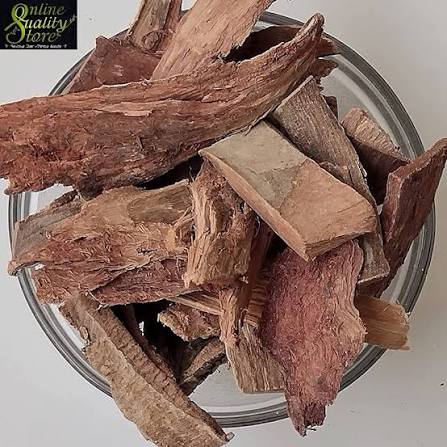
Because of these qualities, Shisham wood is widely used to make beds, tables, chairs, cabinets, and decorative items. It is considered a premium hardwood in India and is often compared to other high-quality timbers.
Medicinal Uses
Shisham is also valuable in traditional healing systems like Ayurveda. Different parts of the tree are used for treating various health conditions:
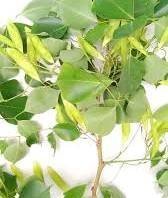
Leaves: Used to treat skin disorders, wounds, and inflammation
Bark: Helpful in digestive issues and fever
Oil (from seeds or wood): Applied for joint pain and infections
It is believed to have anti-inflammatory and antimicrobial properties, making it useful in natural remedies.
Role in Religious and Cultural Practices
In many parts of India, Shisham wood and leaves are used in religious rituals and पूजा (worship). Though not as sacred as some other trees, it still holds cultural importance in rural traditions and daily practices.
Distribution and Availability in India
Shisham is widely found across India, especially in:
Northern states like Punjab, Haryana, Uttar Pradesh, and Bihar
Along riverbanks and irrigated areas
Roadside plantations and farmlands
It is estimated that a significant portion of India’s agroforestry plantations includes Shisham, particularly in the Indo-Gangetic plains. While exact percentage figures vary, it remains one of the most commonly grown timber trees in North India.
Decline in Numbers: A Growing Concern
In recent years, there has been concern about the declining number of Shisham trees in certain regions. This is mainly due to:
Overexploitation for timber
Diseases like dieback and fungal infections
Urbanization and land-use changes
If not managed properly, this decline could affect both the environment and industries dependent on Shisham wood.
Environmental Benefits
Apart from its economic uses, Shisham also contributes to the environment:
Improves soil fertility by fixing nitrogen
Prevents soil erosion
Provides habitat for birds and insects
Its ability to grow in different soil types makes it an important tree for ecological balance.
Conclusion
The Shisham tree is much more than just a source of wood. It plays a vital role in furniture making, healthcare, environmental protection, and cultural traditions. However, the decreasing number of Shisham trees highlights the need for conservation and sustainable use.
Planting more Shisham trees and protecting existing ones can ensure that future generations continue to benefit from this valuable natural resource.