


Natural Gum (Gond): Source Trees, and Global Importance
Natural Gum (Gond): Source Trees, uses, and Global Importance
Natural gum, commonly known as“gond” in India, is a sticky substance obtained from certain trees. It is not produced by just one type of tree, but by several species that naturally release this resin as a protective response. Gond has been used for centuries in food, medicine, industry, and daily life.
What is Gond and How is it Obtained?
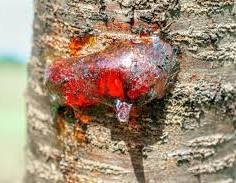
Gond is a natural plant exudate that comes out from the bark of trees when they are cut or injured. This liquid later dries and becomes solid gum. It acts as a healing mechanism for the tree and has valuable properties for human use.
Major Trees that Produce Gond
There are several important trees from which gum is obtained:
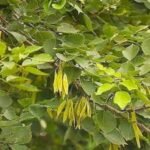
Acacia nilotica (Babool): Produces edible gum widely used in Indian households
Acacia senegal: Source of Gum Arabic, used globally in food and pharmaceuticals
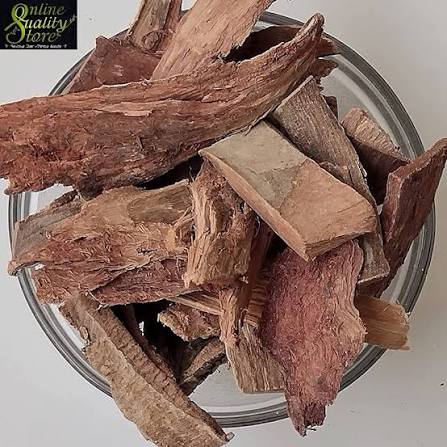
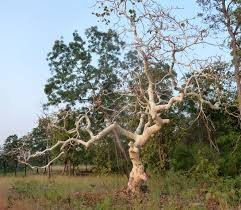
Butea monosperma (Palash/Dhak): Produces “Kamarkas” gum, used in traditional medicine
Azadirachta indica (Neem): Produces medicinal gum with antibacterial properties
These trees are commonly found in tropical and subtropical regions.
Distribution and Cultivation
Gum-producing trees are widely grown in:
India: Especially in Rajasthan, Madhya Pradesh, Uttar Pradesh, and Gujarat
Africa: Sudan is one of the largest producers of Gum Arabic
Middle East and South Asia: Suitable climate supports their growth
A large percentage of gum production (especially Gum Arabic) comes from African countries, while India contributes significantly through local varieties like Babool. Though exact percentages vary, Africa dominates global export, while India focuses more on domestic use.
Uses of Gond
Gond has a wide range of applications:
- Food Uses
Gond laddoos and panjiri
Used as a thickening agent in sweets and beverages
Provides energy and strength, especially in winters - Medicinal Uses
In systems like Ayurveda, gond is valued for:
Improving immunity
Strengthening bones and joints
Supporting recovery after childbirth
Treating digestive issues
- Industrial uses
Used in making adhesives (natural glue)
Added in paints, inks, and textiles
Used in cosmetics and pharmaceuticals as a stabilizer - Furniture and Wood Use
While gond itself is not used to make furniture, many gum-producing trees like Babool and Acacia also provide strong wood. This wood can be used for:
Basic furniture
Agricultural tools
Fuel and construction
So, these trees are useful both for their gum and their timber.
Economic and Environmental Importance
Gum-producing trees are important for rural economies. Farmers can earn income by collecting and selling gum. These trees also:
Grow in dry and less fertile lands
Help prevent soil erosion
Improve soil quality
Are These Trees Declining?
In some regions, the number of gum-producing trees is decreasing due to:
Deforestation
Overharvesting
Climate changes
However, awareness and plantation programs are helping to restore their numbers.
Conclusion
Gond is a valuable natural product obtained from various trees like Babool, Acacia, Palash, and Neem. These trees are not only important for gum production but also provide wood, medicine, and environmental benefits.
From Indian kitchens to global industries, the importance of natural gum continues to grow. Protecting and planting these trees is essential for maintaining both ecological balance and economic sustainability.
in