
Arjun Ki Chaal:Medicinal Uses
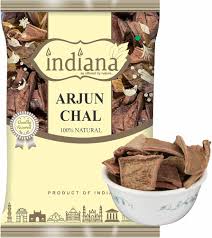
Arjun Ki Chaal (Arjuna Bark): Medicinal Uses, Health Benefits, Herbal Tea, Coffee, Farming, Trade and Religious Importance
Arjun ki chaal, known in English as Arjuna bark, is the bark of the tree Terminalia arjuna. It is an important plant in Indian traditional medicine, especially Ayurveda, where it has long been associated with heart health. The Arjun tree is also valued for its shade, ecological benefits, timber and role in traditional knowledge.
Many people have heard that Arjun ki chaal can be used to prepare herbal tea, kadha and even coffee-like drinks. But what exactly is this bark? Which parts of the tree are used, what products are made from it, and what does modern science say about its benefits?
Another important question is whether Arjun ki chaal is cultivated commercially in India, how much is used every year, and whether it is imported or exported. These questions matter because a plant used in traditional medicine can also become an agricultural and business resource when it is harvested and processed responsibly.
1. What Is Arjun Ki Chaal?


Arjun ki chaal is the outer bark collected from the Arjun tree, scientifically known as Terminalia arjuna. It belongs to the Combretaceae family and is native to the Indian subcontinent.
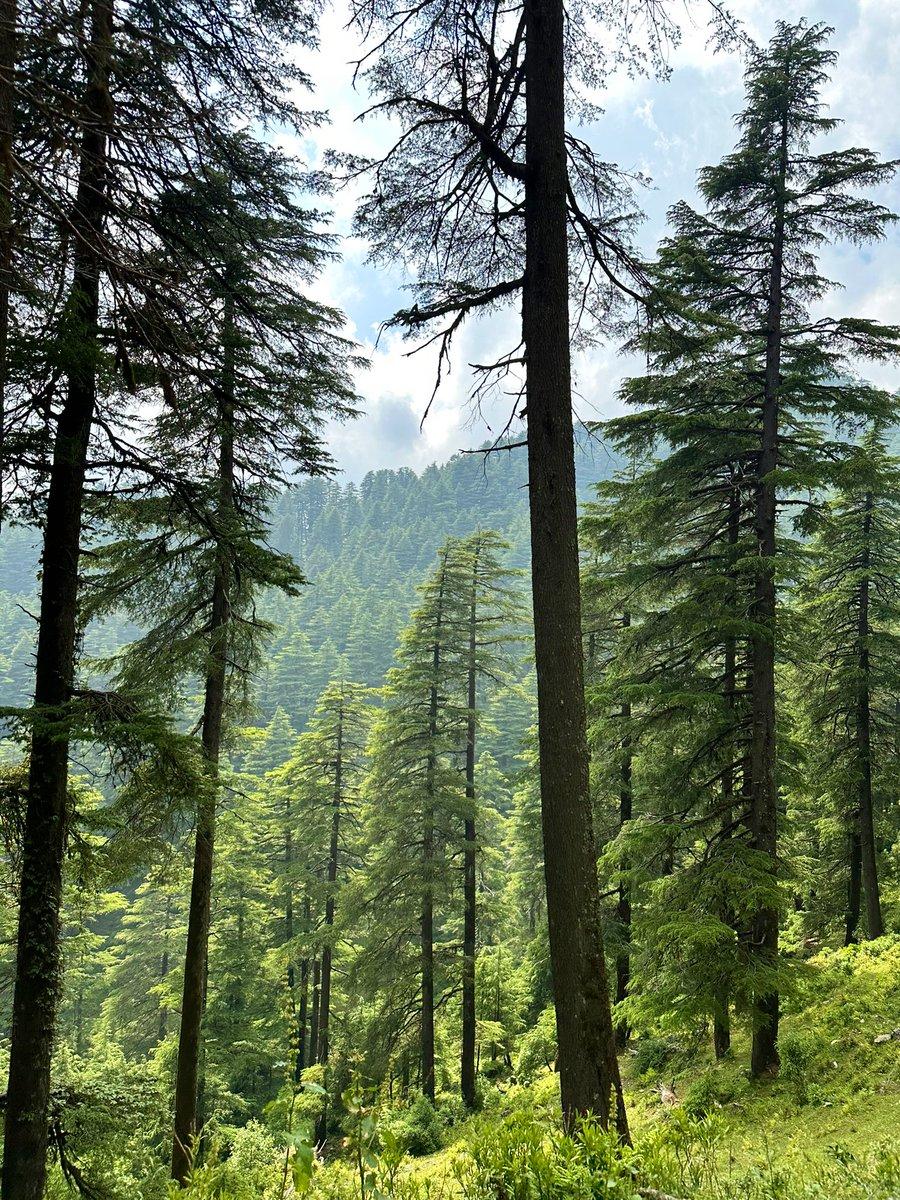
The tree can grow into a large, spreading tree and is often found near rivers, streams and other suitable locations. It is also planted in gardens, parks and areas where trees are being established for environmental purposes.
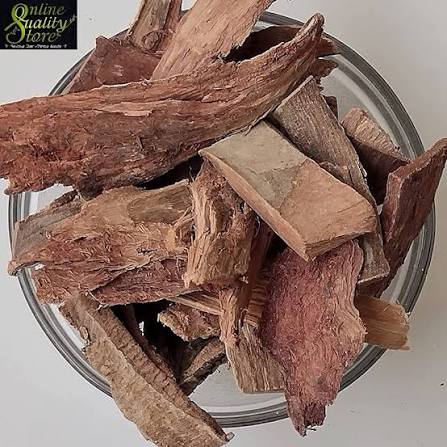
The bark is generally grey on the outside and can appear pinkish or reddish on its inner surface. After harvesting, it may be cleaned, dried and processed into different forms.
Arjun ki chaal is commonly available as:
- Dried bark pieces.
- Coarse powder.
- Fine herbal powder.
- Capsules and tablets containing Arjuna preparations.
- Standardised herbal extracts.
- Ingredients in selected Ayurvedic formulations.
- Herbal tea or kadha preparations.
The quality of these products depends on the correct identification of the tree, the part used, the harvesting method, processing conditions and the manufacturer’s quality controls.
2. Why Is It Called Arjun Ki Chaal?
The word Arjun is the traditional Indian name of the tree, while chaal means the bark or outer covering of a tree’s trunk and branches.
The name is therefore directly connected to the plant from which the material is obtained. In botanical and Ayurvedic literature, the plant is known as Arjuna or Arjuna twak, with twak referring to bark.
The tree is different from the Arjuna of the Mahabharata, the Pandava prince and warrior. The shared name can sometimes create confusion, but the medicinal plant and the epic character are two different things.
The bark has been used in traditional Indian medicinal preparations for generations. Its importance comes from its historical medicinal use and the plant compounds that researchers continue to study.
3. What Nutrients and Compounds Does Arjun Ki Chaal Contain?

Arjun ki chaal is not normally eaten as a food like fruit or vegetables. It is a botanical material containing several plant compounds.
Researchers have investigated compounds and compound groups including:
- Tannins: Plant compounds with astringent properties.
- Flavonoids: Plant compounds studied for their biological activity.
- Triterpenoids: Compounds that include arjunolic acid and related substances.
- Phytosterols and other plant constituents: Compounds investigated for different biological effects.
The exact chemical composition varies with the tree, growing conditions, age of the bark, harvesting practices and extraction method.
Arjun ki chaal should not be described as a complete source of daily nutrition. Its traditional importance is mainly as a medicinal plant ingredient rather than as an everyday food.
4. What Diseases Is Arjun Ki Chaal Used For?

In Ayurveda, Arjun ki chaal is particularly associated with the heart. Modern researchers have studied its possible effects on cardiovascular health, but the strength of evidence differs for different conditions.
Heart health
Arjun ki chaal has traditionally been used as a heart-supporting herbal ingredient. Researchers have investigated its potential effects on heart function, blood pressure and other cardiovascular measurements.
A clinical trial involving 100 people with chronic heart failure found that a standardised Arjuna extract did not significantly improve the heart’s pumping function over 12 weeks compared with a placebo, although some other outcomes showed possible benefits. This illustrates why larger, better-designed studies are still needed.
High blood pressure
Some studies have investigated whether Arjuna preparations may influence blood pressure. However, results are not consistent enough to recommend the bark as a replacement for prescribed treatment.
People taking medicines for hypertension should consult their doctor before using Arjun ki chaal.
Cholesterol and blood circulation
Researchers have examined its antioxidant properties and possible effects on cholesterol and blood vessels. The results are not sufficient to establish Arjun ki chaal as a proven treatment for high cholesterol or blocked arteries.
Other traditional uses
Traditional formulations may use Arjuna bark for various complaints, but evidence for treating digestive problems, respiratory conditions or other diseases is limited. It should not be assumed that the bark cures every condition for which it is traditionally recommended.
An important health warning: Chest pain, breathlessness, fainting or sudden severe weakness may indicate a medical emergency. Do not delay medical care to try an herbal remedy.
5. How Is Arjun Ki Chaal Used to Make Herbal Tea or Kadha?
Arjun ki chaal is sometimes prepared as a traditional herbal drink. People may call it Arjuna tea, bark tea or kadha, depending on the preparation.
Unlike ordinary tea made from Camellia sinensis, an Arjuna bark drink does not naturally contain the same tea ingredients. Its taste can be earthy, woody and slightly astringent.
Common forms of preparation
- Herbal infusion or decoction: Bark is processed in water to extract some of its soluble compounds.
- Ayurvedic powder: The dried bark is ground and sold as an ingredient for prescribed formulations.
- Standardised extract: Manufacturers prepare extracts intended for particular products.
- Herbal blends: Some manufacturers combine Arjuna with other botanical ingredients.
The concentration of the active compounds can differ significantly between preparations. Therefore, there is no single home recipe that can be assumed to be medically effective or safe for everyone.
If you wish to use it for a health concern, ask a qualified healthcare professional which preparation, if any, is appropriate for you.
6. Can Coffee Be Made From Arjun Ki Chaal?

Traditional coffee is made from processed coffee beans. Arjuna bark is a woody medicinal plant material with a different chemical composition and flavour.
A commercial producer considering an Arjuna-based coffee-style drink would need to establish:
- Whether the particular formulation is suitable for consumption.
- Appropriate processing and ingredient specifications.
- Microbiological and chemical safety.
- Whether the product meets applicable food regulations.
- Whether any health claims on the packaging are legally permitted and supported by evidence.
It would be inaccurate to claim that Arjun ki chaal coffee provides all the benefits of ordinary coffee or that it treats heart disease simply because it contains Arjuna.
7. What Products Are Made From Arjun Ki Chaal?


Arjuna bark is used in the herbal-products industry in several forms.
| Product | Typical use |
|---|---|
| Dried bark | Raw material for herbal manufacturers |
| Bark powder | Ingredient in selected Ayurvedic preparations |
| Tablets and capsules | Packaged herbal products |
| Standardised extracts | Ingredients in formulated products |
| Herbal decoctions | Traditional preparations |
| Herbal beverage blends | Specialised botanical drink products |
| Multi-herb formulations | Combined preparations used in traditional systems |
The exact formulation varies between manufacturers. A product containing Arjuna may also contain other herbs or excipients, so its label should be checked carefully.
For commercial sale, manufacturers must follow the regulations applicable to the category in which the product is marketed, whether that is an Ayurvedic medicine, a food product or another type of product.
8. Is Arjun Ki Chaal Used in Puja?

Arjun is primarily known for its medicinal and botanical importance. The bark is not a universally prescribed or essential ingredient in everyday Hindu puja.
Religious customs differ among regions, temples and families. Some people may incorporate Arjun tree leaves, wood or other plant materials into local rituals, but such practices should not be treated as universal rules.
For regular worship, devotees generally follow the offerings and materials prescribed by their family tradition or the particular temple. There is no need to use medicinal bark in puja unless it is part of a specific customary practice.
It is also worth remembering that the Arjun tree can be respected for its environmental value without requiring its bark to be removed for religious purposes.
9. Does Arjun Ki Chaal Farming Take Place in India?

Yes. Arjun trees can be raised through cultivation and planted on suitable land. The National Medicinal Plants Board (NMPB) has published cultivation guidance for Terminalia arjuna, including plantation care and bark harvesting.
However, Arjun is a long-lived tree, not a short-season crop like wheat or mustard.
How does cultivation work?
- Select suitable land and obtain healthy planting material.
- Plant the trees with adequate space for their mature growth.
- Provide water and care while young trees establish themselves.
- Maintain the plantation and monitor pests and tree health.
- Harvest bark only when appropriate, using responsible methods.
- Dry, store and sell the bark to buyers who require the material.
NMPB cultivation guidance indicates that the tree begins flowering at around its sixth year and recommends harvesting bark from well-grown trees, preferably from about the tenth year onward. Its guidance describes removing bark in narrow strips rather than stripping the entire trunk.
This is important because excessive bark removal can damage or kill a tree. Responsible harvesting and planned cultivation are necessary if demand is to be met over the long term.
10. How Much Arjun Ki Chaal Is Used Every Year in India?
The National Medicinal Plants Board has published an estimate that the annual demand for Terminalia arjuna was in the range of 100–1,000 metric tonnes in an assessment of medicinal plants. This is a historical estimated demand range, not a verified figure for current annual consumption in 2026.
Historical demand estimate
100–1,000 tonnes per year
Reported estimated annual demand for Arjuna in an NMPB assessment. It should not be interpreted as a current, audited annual sales figure.
India’s medicinal-plant trade includes materials collected from cultivated plants and wild sources. National medicinal-plant demand estimates cover many different species and cannot be used to calculate Arjuna’s exact share of the market.
nmpb.ayush.gov.in
How much land is cultivated with Arjun trees?
A reliable current national figure for the total hectares devoted exclusively to Arjun cultivation was not available in the sources consulted.
Similarly, an official current percentage of India’s medicinal-plant cultivation represented by Arjun trees cannot be calculated from the general industry statistics.
Older cultivation guidance gives an indicative yield of approximately 500 kg of dried bark per hectare per year from an established plantation from around the tenth year. This is a cultivation estimate, not a guarantee of actual yield on every farm.
The difference matters: a technical estimate of possible yield does not tell us how many hectares farmers currently grow or how much bark is actually sold nationwide.
11. Does India Import and Export Arjun Ki Chaal?

Yes, Arjuna is recognised in India’s trade classification for medicinal plant materials. The Indian tariff classification list includes HS code 12119035 for Arjuna (Terminalia arjuna).
PRODUCT DESCRIPTION
This provides a useful starting point for investigating imports and exports, but a tariff code alone does not tell us the quantity traded or its total value.
Trade data may also classify finished products—such as extracts, formulations or medicines—under different codes from raw bark.
To calculate annual imports and exports accurately, the relevant year and product classifications must be checked in the Government of India’s trade database. The latest verified annual quantity and value for Arjuna bark specifically could not be established from the sources consulted. Therefore, it would be misleading to provide an invented export percentage or claim that a particular amount is exported every year.
For a business, this means there may be an identifiable product category for trade research, but market size should be established before making an investment.
12. Can Arjun Ki Chaal Become a Business Opportunity?
Arjun offers possible opportunities for farmers, nurseries and herbal-product manufacturers, but its slow growth means that the business model needs careful planning.

Tree nursery business
Grow and supply healthy Arjun saplings for plantations, gardens and suitable environmental projects.

Medicinal raw materials
Supply correctly identified, properly dried bark to qualified herbal manufacturers with suitable quality documentation.

Value-added products
Explore powders, extracts or formulated products through appropriate manufacturing partners and regulatory compliance.
Before starting, a prospective grower should investigate local buyers, the price paid for correctly processed bark, plantation establishment costs, the time before harvest and the risk of damaging trees through excessive bark removal.
A business based on medicinal plants should prioritise quality, sustainable sourcing and transparent product claims rather than promising cures for serious diseases.
Conclusion: Arjun Ki Chaal Is Both a Traditional Resource and a Plant Worth Protecting
Arjun ki chaal has a long history in Ayurveda and continues to attract scientific interest because of its potential relationship with heart health. It can be processed into raw bark, powder, extracts and selected herbal formulations. The tree itself also has ecological value and can be cultivated as a long-term plantation resource.
Herbal tea and coffee-style beverages are possible areas for product development, but Arjuna bark is not the same as ordinary tea or coffee, and its safety for regular consumption should not be assumed.
India has an identifiable trade classification for Arjuna, and historical assessments indicate substantial medicinal demand. Yet reliable current figures for the exact cultivated area, annual consumption and product-specific import and export values remain important information gaps.
The best approach is to combine traditional knowledge with modern research, responsible harvesting and accurate agricultural statistics. That allows people to appreciate Arjun ki chaal without overstating its medicinal benefits or overlooking the importance of protecting the tree.
References
- National Medicinal Plants Board — Official website and medicinal plant resources.
- Agro-techniques of selected medicinal plants — cultivation and harvesting guidance.
- Department of Commerce, Government of India — Official import and export statistics database.
- Clinical trial of Arjuna bark extract in chronic heart failure.
- Systematic review of Arjuna in chronic stable angina.