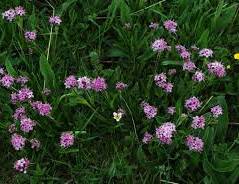
1. What Is Jatamansi?
Jatamansi is a medicinal herb traditionally used in Ayurveda and other systems of traditional medicine. It is especially known for its association with relaxation, sleep, mental well-being, and herbal preparations.
Its botanical name is Nardostachys jatamansi. It belongs to the honeysuckle family, Caprifoliaceae, and grows naturally in high-altitude regions of the Himalayas. The plant has a long history of use in traditional Indian medicine, where its aromatic roots and underground stems are valued for preparing herbal formulations.
Jatamansi is sometimes called spikenard in English. However, common names can refer to different plants, so the botanical name is important when identifying or purchasing it.
2. What Does the Jatamansi Plant Look Like?
Its Traditional Uses, Health Benefits, and Medicines
Jatamansi is a small perennial herb rather than a large tree. It grows in cold, mountainous environments and has a distinctive underground part used in traditional preparations.
- Plant: A low-growing herb that survives for several years under suitable conditions.
- Roots and rhizomes: The underground parts are aromatic and are the principal parts traditionally collected for medicinal use.
- Leaves: The leaves are generally narrow to lance-shaped and grow close to the stem.
- Flowers: The plant produces small flowers in clusters. Their colour can vary from pale pink to whitish or purplish.
- Fruit and seeds: After flowering, the plant develops small fruits containing seeds that help it reproduce.
Jatamansi should not be confused with ordinary garden plants that have similar-looking leaves or flowers. Correct identification matters because medicinal plants can differ greatly in their chemical composition and safety.
3. Where Is Jatamansi Found?
Jatamansi is associated with the Himalayan region, including parts of India, Nepal, Bhutan, and nearby mountainous areas. In India, it is linked particularly with high-altitude Himalayan habitats.
The plant prefers cool conditions and suitable moist, well-drained soil. It is not generally a crop that can be grown successfully in every warm, lowland region without special care.
Wild populations have faced pressure from collection for medicinal and commercial use. Responsible sourcing and cultivation are therefore important. Buyers should look for traceable products rather than encouraging the uncontrolled harvesting of wild plants.
4. Jatamansi and Mental Stress
One of the best-known traditional uses of Jatamansi is in preparations intended to calm the mind and support relaxation.
In Ayurveda, it is used in certain formulations for restlessness, mental tension, and difficulty relaxing. Some laboratory and animal studies have investigated compounds found in Jatamansi for possible effects on the nervous system.
However, traditional use is not the same as proof of effectiveness in humans. Strong clinical evidence is still limited, so Jatamansi should not be presented as a guaranteed treatment for anxiety, depression, or other mental health conditions.
People experiencing persistent anxiety, panic, low mood, or severe stress should seek advice from a qualified healthcare professional.
5. Can Jatamansi Help With Sleep?
Jatamansi is traditionally used in some Ayurveda preparations for people who have trouble sleeping. Its calming reputation has made it a subject of interest in herbal medicine.
Possible areas of interest include:
- Supporting relaxation before bedtime.
- Helping people settle down after a stressful day.
- Traditional use in preparations intended to support sleep.
Nevertheless, there is not enough high-quality human research to establish that Jatamansi reliably treats insomnia. Sleep problems may also be caused by pain, medication, anxiety, sleep apnoea, or other medical conditions.
For ongoing insomnia, it is important to identify the cause instead of relying only on an herbal remedy. Good sleep habits and professional guidance can be more useful than taking an unverified supplement.
6. Jatamansi and Memory or Concentration
Some traditional accounts associate Jatamansi with memory, concentration, and mental clarity. Researchers have also investigated its chemical constituents for possible effects on the brain and nervous system.
These early findings are interesting, but they do not establish that Jatamansi improves memory or prevents dementia in humans. It should not replace medical assessment for persistent forgetfulness, confusion, or difficulty concentrating.
Healthy sleep, regular physical activity, a balanced diet, and managing stress are important foundations for cognitive health.
7. Jatamansi and Digestion
Jatamansi has appeared in traditional herbal formulations for several complaints, but it is not a proven general treatment for digestive disorders.
Indigestion, acidity, constipation, bloating, and abdominal pain can have different causes. A herb used traditionally for one complaint may not help another, and the appropriate treatment depends on the underlying problem.
Seek medical attention for persistent digestive symptoms, unexplained weight loss, blood in the stool, severe abdominal pain, or repeated vomiting.
8. Jatamansi for Skin Problems
Traditional herbal practices sometimes include Jatamansi in preparations intended for skin care. Its plant compounds have been investigated in preliminary research for biological activities, but this does not prove that the herb treats eczema, fungal infections, acne, or other skin diseases.
Do not apply concentrated extracts, unknown powders, or homemade herbal mixtures to damaged or irritated skin without professional advice. They can cause irritation or allergic reactions, and they may delay effective treatment.
For ringworm and other fungal infections, an appropriate anti-fungal treatment is usually needed. A healthcare professional can help identify the cause of a rash.
9. What Other Conditions Is Jatamansi Used For Traditionally?
Depending on the formulation and traditional medical system, Jatamansi may be included in preparations associated with:
- Restlessness and difficulty relaxing.
- Sleep-related complaints.
- Certain traditional approaches to mental well-being.
- Selected skin-care preparations.
- Other complaints described in Ayurveda texts and regional herbal traditions.
These are descriptions of traditional use, not a list of conditions that Jatamansi has been proven to cure. Evidence, safety, and suitable treatment vary from one condition to another.
10. What Medicines Are Made From Jatamansi?
Jatamansi is used as an ingredient in some traditional herbal products. Depending on the manufacturer and formulation, products may contain powdered root or rhizome, extracts, or combinations with other herbs.
Common forms include:
1. Herbal powder: Dried underground plant material may be ground into powder for use in traditional formulations.
2. Capsules and tablets: Some manufacturers prepare products containing Jatamansi powder or extract. The amount and concentration can differ substantially between brands.
3. Liquid extracts: Certain herbal products use extracted plant compounds in liquid form.
4. Multi-herb Ayurveda formulations: Jatamansi may be combined with other ingredients for specific traditional purposes. The name of a product alone does not establish that it is effective or suitable for everyone.
5. Aromatic preparations: Its fragrant underground parts have also been used in traditional perfumery and related preparations.
Not every product marketed as “Jatamansi medicine” has the same ingredients, quality, or evidence behind it. Check the full ingredient list, manufacturer, dosage instructions, and quality testing. Do not assume that a herbal product is safe simply because it is natural.
11. Safety: Who Should Be Careful?
Jatamansi’s safety has not been adequately established for every person, dose, and product. Possible interactions and side effects may depend on the formulation and individual health circumstances.
Take particular care if you:
- Are pregnant or breastfeeding.
- Are giving the product to a child.
- Take sleeping tablets, sedatives, or other medicines that affect the nervous system.
- Have a long-term medical condition or take several medicines.
- Are preparing for surgery or a medical procedure.
Do not combine Jatamansi with sleep or anxiety medicines without checking with a qualified clinician or pharmacist. Avoid using it as a substitute for prescribed treatment, and do not increase a dose because an initial dose seems ineffective.
12. Cultivation and Conservation
Jatamansi grows in specialist Himalayan environments. Cultivation requires suitable altitude or a carefully managed growing environment, cool conditions, appropriate soil moisture, and responsible propagation.
Because the underground parts are collected for traditional use, harvesting can damage or kill the plant. Sustainable cultivation, nursery propagation, and traceable supply chains can help reduce pressure on wild populations.
Anyone considering commercial cultivation should first investigate local growing conditions, legal requirements, conservation rules, and the availability of verified planting material.
13. Conclusion
Jatamansi is an important Himalayan medicinal herb with a long history in Ayurveda. Its aromatic roots and rhizomes are used in traditional preparations, particularly those associated with relaxation and sleep. Researchers continue to investigate its chemical compounds and possible biological effects.
At the same time, scientific evidence in humans remains limited for many of its claimed benefits. Jatamansi should therefore be understood as a traditional medicinal plant with potential areas of research—not as a guaranteed cure for mental stress, insomnia, memory problems, digestive disorders, or skin diseases.
The most responsible approach is to protect the plant in its natural habitat, choose products from reliable sources, and seek qualified medical advice before using it to treat a health problem.