

After finishing a meal, many people feel a strong urge to eat something sweet or have a mouth freshener. This habit is very common in Indian households—whether it’s a small piece of jaggery, fennel seeds (saunf), cardamom, or a sugary dessert. But the real question is:
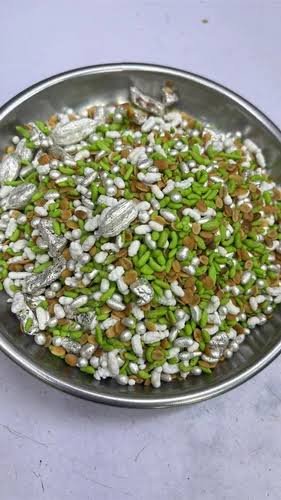
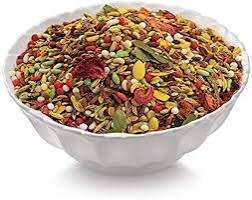
Eating something sweet or a mouth freshener (mukhwas) after meals is a deeply rooted tradition in many cultures, particularly in India, that offers a mix of digestive, oral, and psychological when consumed in moderation. While natural mouth fresheners like fennel seeds (saunf) are widely considered beneficial for digestion, the benefit of “something sweet” depends on its ingredients and quantity.
Here is a breakdown of the benefits based on search results:
Benefits of Mouth Fresheners (Mukhwas/Fennel)
- Aids Digestion: Fennel seeds (saunf), a common component of mukhwas, contain essential oils that’s stimulate digestive enzymes, reducing bloating, gas, and indigestion.
- Freshens Breath Naturally: Ingredients like roasted fennel, cardamom, and clove have antimicrobial properties that kill odor-causing bacteria, providing a longer-lasting effect than artificial mints.
- Improves Oral Hygiene: Chewing seeds stimulates saliva production, which helps clean the mouth, neutralize acids, and remove plaque.
- Palate Cleansing: A mix of seeds and herbs helps cleanse the palate after a heavy or spicy meal.
Benefits of Something Sweet (Small Portion)
- Signals End of Meal: A small sweet item serves as a psychological signal that the meal is finished, reducing the urge to snack later.
- Boosts Mood: A little sugar can trigger the release of dopamine, providing a sense of satisfaction and happiness.
- Natural Alternatives: Using rock sugar (mishri) or jaggery is considered better than white sugar because they are less processed and can leave a cooling effect, especially when paired with fennel seeds.
Ayurvedic and Nutritional Perspective on Timing
While many enjoy sweets at the end, Ayurveda actually suggests consuming sweet items at the beginning of a meal.
- Why Sweet First? Sweet foods are considered heavy and, if eaten first, can stimulate digestive juices without overloading the stomach later.
- Why Not Last? Consuming heavy sweets after a full meal can potentially lead to slow digestion, gas, or fermentation.
- Moderation is Key: Regardless of when they are consumed, sugary desserts should be eaten in small portions to avoid high calorie intake and blood sugar spikes.
Tips for a Healthy Post-Meal Treat
- Prefer Natural Mixes: Opt for roasted seeds (saunf, sesame, flax) over sugar-loaded candies.
- Combine with Fennel: Combining sugar (like mishri) with fennel seeds offers a balance of taste and digestion.
- Keep it Small: A small, one-bite sweet is enough to satisfy cravings without causing, issues.
- Avoid Late Night: Avoid sugary treats late at night when metabolism is slower.
Why Do People Crav
The desire for something sweet after meals is often linked to habit, culture, and taste satisfaction. In traditional Indian meals, sweets are sometimes eaten at the end to balance flavors and signal the completion of eating. From a psychological point of view, sweetness gives a sense of pleasure and satisfaction, making the meal feel complet
Another reason is digestion. Some people believe that a small amount of sweetness helps settle the stomach, especially after a heavy or spicy meal.
Are Sweets After Meals Good for Health?
Eating sweets after meals is not always harmful, but moderation is very important. Natural sweets like jaggery, dates, or a small amount of honey can provide quick energy and may help improve digestion if eaten in limited quantities. However, consuming sugar-heavy desserts, sweets, or chocolates daily after meals can lead to weight gain, high blood sugar levels, and dental problems.
For people with diabetes or those trying to maintain a healthy lifestyle, regular intake of sweets after meals is not recommended.
What About Mouth Fresheners?
Mouth fresheners such as fennel seeds (saunf), cardamom, cloves, or even betel leaf (paan without tobacco) have been traditionally used for centuries. These natural mouth fresheners can be beneficial because:
- They help improve digestion
- They reduce bad breath
- They refresh the mouth and improve taste
- Some, like fennel and cardamom, help reduce bloating and gas
However, commercially available mouth fresheners often contain excessive sugar, artificial colors, and preservatives. Regular consumption of these sugary products may not be healthy in the long run.
Is It Necessary to Eat Something After Every Meal?
No, it is not necessary to eat something sweet or a mouth freshener after every meal. If your meal is balanced and digestion is normal, you can simply rinse your mouth with water or have herbal options like fennel seeds occasionally.
Listening to your body is key. If you feel heavy or bloated, mild digestive options can help. But turning this habit into a daily sugar intake is not advisable.
Disclaimer: Individuals with diabetes should avoid high-sugar items and consult a doctor, as even small amounts can cause spikes in blood sugar.
A Healthy Way to End Your Meal
Instead of sweets or sugary mouth fresheners, consider these healthier alternatives:
- Fennel seeds or roasted saunf
- A small piece of jaggery (occasionally)
- Cardamom or clove
- Warm water or herbal tea
Conclusion
Craving something sweet or a mouth freshener after meals is a common habit and is not harmful if done wisely. Natural and sugar-free options can support digestion and oral freshness. However, eating sweets after every meal is not necessary and may cause health issues if overdone. Balance, moderation, and mindful eating are the best ways to maintain good health while enjoying your food.

