

The WP Consent API is a technical framework and feature plugin for WordPress that provides a standardized way for different plugins to communicate user consent preferences in compliance with privacy laws like GDPR and CCPA. It does not provide a user interface (UI) like a cookie banner itself, but acts as a communication bridge between a consent management platform (CMP) plugin and any other plugin that sets cookies or tracks user data
Brief Information
- Standardization: It solves the problem of multiple plugins handling consent in conflicting or inconsistent ways by offering a single, centralized system for storing and retrieving consent decisions.
- Communication Bridge: A separate CMP plugin (like Complianz, Cookiebot, or Termly) manages the user interface (the actual cookie banner) and records the user’s choices, then passes those choices to the WP Consent API.
- Developer-Focused: It offers a set of functions (PHP and JavaScript) that developers can use to check if a user has granted consent for specific categories or services before their plugin initiates any tracking or sets cookies.
- Categories: It defines standard categories for data collection:
- Functional: Essential for basic site functionality.
- Statistics-anonymous: For anonymized analytics that do not identify individuals.
- Statistics: For analytics that do identify users.
- Marketing: For advertising and behavioral tracking.
- Preferences: For remembering user settings.
Example (Code Snippet)
Developers use the API to wrap their tracking code with consent checks. The following is a JavaScript example for a plugin that needs marketing consent, as shown in the WP Consent API plugin documentation:
Developers can use functions like wp_has_consent() in JavaScript and PHP to check if a user has granted consent for specific categories, such as ‘marketing’. They can also listen for consent changes dynamically on the front end. The full code examples can be found in the referenced document.
Image
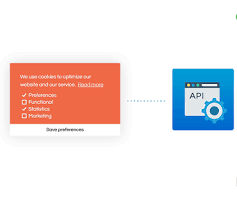
The plugin’s WordPress.org page includes images demonstrating its use, often showing the different consent categories it supports.
Image Description: An image illustrating the different consent categories defined by the API: Functional, Statistics (anonymous and regular), Marketing, and Preferences, typically shown within a consent banner interface
. The WP Consent API: A Technical Framework and Feature Plugin fo
[Image: WordPress privacy and data protection illustration]
In today’s digital world, user privacy and data protection have become top priorities. Websites are now expected to follow strict privacy laws such as GDPR (Ge, CCPA, aW.
The WP Consent API is a technical framework and feature plugin designed to handle user consent efficiently across WordPress websites.
What Is the WP Consent API?
[Image: Diagram showing user consent flow in WordPress]
The WP Consent API is a WordPress feature plugin that provides a centralized system for collecting, storing, and managing user consent. It allows WordPress core, themes, and plugins to communicate with each other regarding user consent preferences.
Instead of each plugin handling consent separately, the WP Consent API creates a common language and structure for consent management.
Why the WP Consent API Is Important
[Image: Website cookie consent banner example]
Before the WP Consent API, many plugins created their own cookie banners and consent logic. This often resulted in:
- Multiple consent pop-ups
- Confusing user experiences
- Inconsistent privacy compliance
The WP Consent API solves these problems by:
- Standardizing consent handling
- Reducing duplicate consent prompts
- Improving user trust and transparency
- Helping sites comply with privacy regulations
Key Features of the WP Consent API
[Image: Icons representing features like security, compatibility, and performance]
1. Centralized Consent Management
The API acts as a single source of truth for user consent. All plugins can check consent status from one system.
2. Plugin and Theme Compatibility
Themes and plugins can easily integrate with the WP Consent API to respect user preferences automatically.
3. User-Friendly Experience
Users see fewer pop-ups and enjoy a smoother browsing experience while still having control over their data.
4. Developer-Friendly Framework
Developers get clear hooks and functions to check or update consent status without reinventing the wheel.
How the WP Consent API Works
[Image: Technical workflow chart of WP Consent API]
The WP Consent API works in a simple flow:
- A consent banner or UI collects user choices
- Consent preferences are stored securely
- Plugins request consent status via the API
- Features like tracking, analytics, or embeds load only if consent is granted
This ensures that no data-collecting feature runs without proper permission.
Benefits for Website Owners
[Image: Website owner managing privacy settings dashboard]
For WordPress site owners, the WP Consent API offers:
- Better legal compliance
- Improved website credibility
- Easier privacy management
- Reduced risk of penalties
- A cleaner and more professional website experience
Benefits for Developers
[Image: Developer working on WordPress code]
Developers benefit by:
- Saving development time
- Avoiding custom consent solutions
- Building future-proof plugins
- Ensuring compatibility with WordPress core updates
WP Consent API and the Future of WordPress
[Image: Future-focused WordPress ecosystem illustration]
The WP Consent API represents WordPress’s commitment to privacy-first development. As privacy laws continue to evolve, this framework ensures WordPress remains a trusted and compliant platform worldwide.
In the future, the API is expected to be deeply integrated into WordPress core, making privacy handling smoother and more consistent for millions of websites.
Conclusion
[Image: Secure and trustworthy website concept]
The WP Consent API is more than just a feature plugin—it is a foundational step toward a safer, more transparent web. By offering a unified approach to consent management, it benefits users, website owners, and developers alike.
If you are running or building a WordPress website, understanding and adopting the WP Consent API is essential for staying compliant, professional, and future-ready.

