

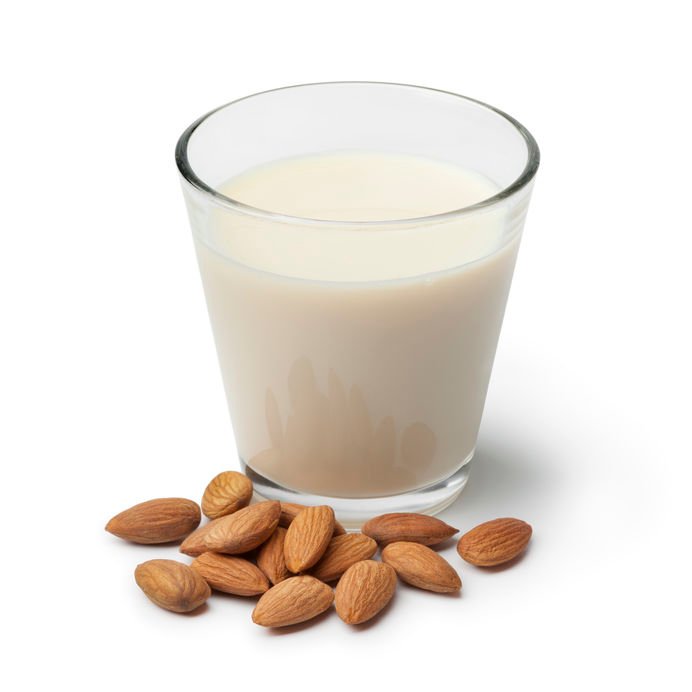
Glass of Almond milk with a heap of almonds on white background
Milk is one of the most consumed and nutritious drinks in the world — packed with protein, calcium, vitamins, and energy. But milk comes from animals, and like all foods, it must be safe for humans to drink. Modern dairy companies use advanced testing and quality control systems to ensure the milk you buy is free from harmful diseases and contamination.
In this comprehensive article we’ll explain:
- Why milk testing matters
- The types of tests dairy companies do
- How companies ensure diseases — including animal-borne diseases like rabies — do not enter the milk supply
- What milk substitutes are and how their safety is verified
- Why you can trust packaged milk and milk alternatives
🧬 1. Why Milk Safety Is Vital
Milk can carry pathogens (disease-causing organisms) if it is contaminated during production or handling. Diseases that can occur in animals don’t necessarily transfer to humans through milk, but strict testing is essential to make sure milk is safe.
Animals diseases such as:
- Brucellosis
- Tuberculosis
- Salmonellosis
- Listeriosis
- E. coli infection
are real food safety concerns. However, diseases like rabies — which spread through saliva via bites — are not transmitted through milk if standard hygiene practices are used. Milk from healthy, properly tested animals is considered safe.
Dairy companies perform many tests before milk is processed, packaged, and sold to you.
🔬 2. How Dairy Companies Collect Milk for Testing
Milk passes through multiple checkpoints before it reaches your refrigerator:
- Farm Level Collection
- Milking machines extract milk from cows, buffaloes, or goats on the farm.
- Trained workers keep the animals and milking area clean.
- Bulk Collection Tanks
- Milk from many animals is stored in refrigerated bulk tanks.
- Temperature must stay cool to prevent bacterial growth.
- Transport to Testing Facility
- Insulated tankers carry milk to the company’s laboratory.
- Temperature and sanitation are strictly maintained.
Every batch (load) of milk is labeled and tracked — nothing goes for packaging until tests are passed.
🧪 3. The Many Tests Dairy Companies Do on Milk
Dairy companies run dozens of tests on every milk batch. Some common tests include:
📊 A. Physical Tests
- Fat content – determines creaminess and nutritional value
- Solids-not-fat (SNF) – protein, lactose, minerals
- Freezing point – checks for adulteration with water
🧫 B. Microbiological Tests
- Total bacterial count (TBC) – measures all bacteria in milk
- Coliform count – indicates contamination from fecal sources
- Pathogen tests for Salmonella, Listeria, E. coli, etc.
These tests use culture plates, microscopes, and modern PCR machines. Samples that fail are rejected.
🔎 C. Chemical Tests
- Antibiotic residue testing – milk must be free of drugs
- Pesticide screening – ensures no harmful chemicals are present
- Somatic cell count (SCC) – high levels indicate infection in the animal
💉 D. Disease-Specific Screening
Modern labs can screen milk for signs of diseases that might affect animals, such as:
- Brucella antibodies
- Mycobacterium tuberculosis complex
- Mastitis indicators
These show whether the animal had an infection that could make milk unsafe.
🐄 4. What About Rabies — Can It Be in Milk?
Rabies is a virus that affects the nervous system of mammals. It does not live long in milk and cannot infect humans through drinking pasteurized milk.
Here’s why:
- Rabies is carried in the saliva and nervous tissue of infected animals, not in milk.
- Modern dairy farms have stringent controls that prevent sick animals from being milked.
- Milk goes through pasteurization, which kills viruses and bacteria.
So while companies test for many pathogens in milk, rabies is not a disease that would be transmitted through properly handled milk — and current dairy practices ensure milk remains safe. In short, packaged milk is safe from rabies and similar diseases if it passes all quality tests.
🧴 5. Pasteurization — The Most Important Safety Step
After testing, milk goes through pasteurization — a heat treatment that kills harmful organisms without changing the nutritional quality.
Two common methods:
| Method | Temp | Time | Notes |
|---|---|---|---|
| HTST (High Temp Short Time) | ~72°C | 15 sec | Standard for liquid milk |
| UHT (Ultra High Temp) | ~135°C | 1–2 sec | Longer shelf life |
Pasteurization protects you from:
- Listeria
- Salmonella
- E. coli
- Campylobacter
After pasteurization, milk is cooled, tested again, and then packaged.
🏭 6. Packaging — Not Just Bottles
Milk packaging is also part of safety:
- Sealed bottles/cartons ensure no contamination after processing
- Tamper-evident caps assure consumers the product is untouched
- Date labels tell how long the milk stays fresh
Companies conduct package integrity tests to prevent leaks and ensure proper barriers against light and air — both of which can spoil milk.
🧈 7. Quality Assurance — 24/7 Monitoring
Most reputable dairy companies operate quality assurance systems like:
- HACCP (Hazard Analysis Critical Control Point)
- ISO quality certifications
- Third-party audits
These systems monitor every step:
- Animal health checks
- Milking hygiene
- Transport refrigerations
- Testing results
- Packaging integrity
- Storage conditions
🥛 8. Milk Substitutes — Safe and Tested Too
Today, many people choose milk substitutes (also called plant-based milks). These include:




🌱 Common Milk Alternatives
| Type | Source | Notes |
|---|---|---|
| Almond milk | Almonds | Light, nutty flavor |
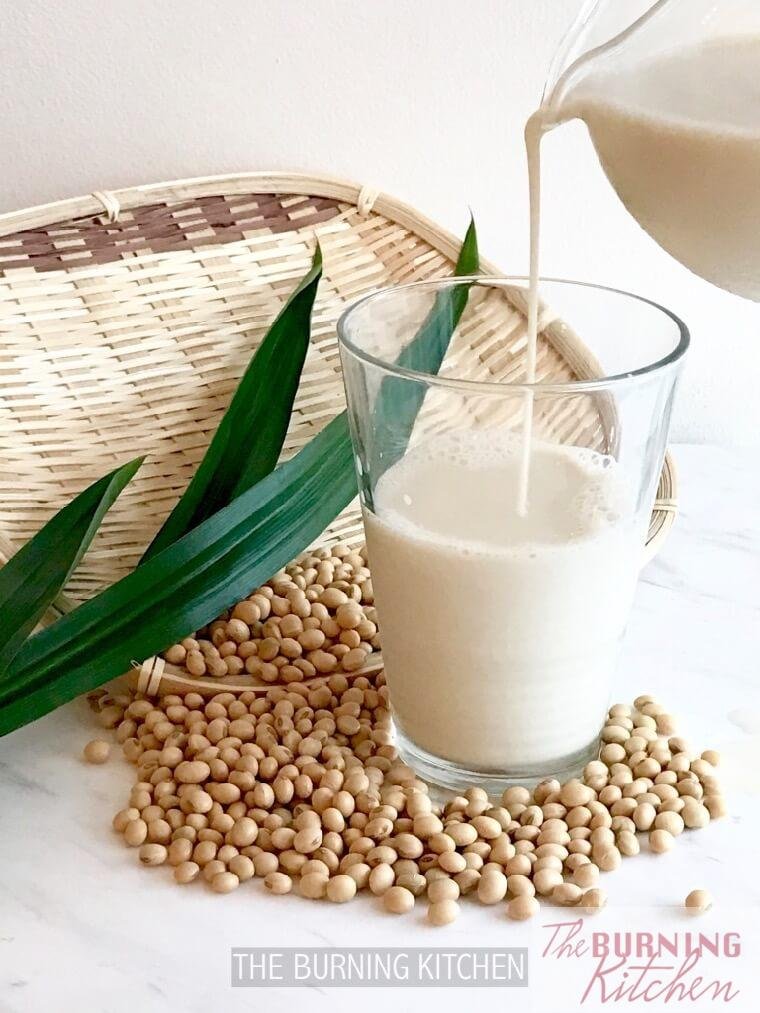
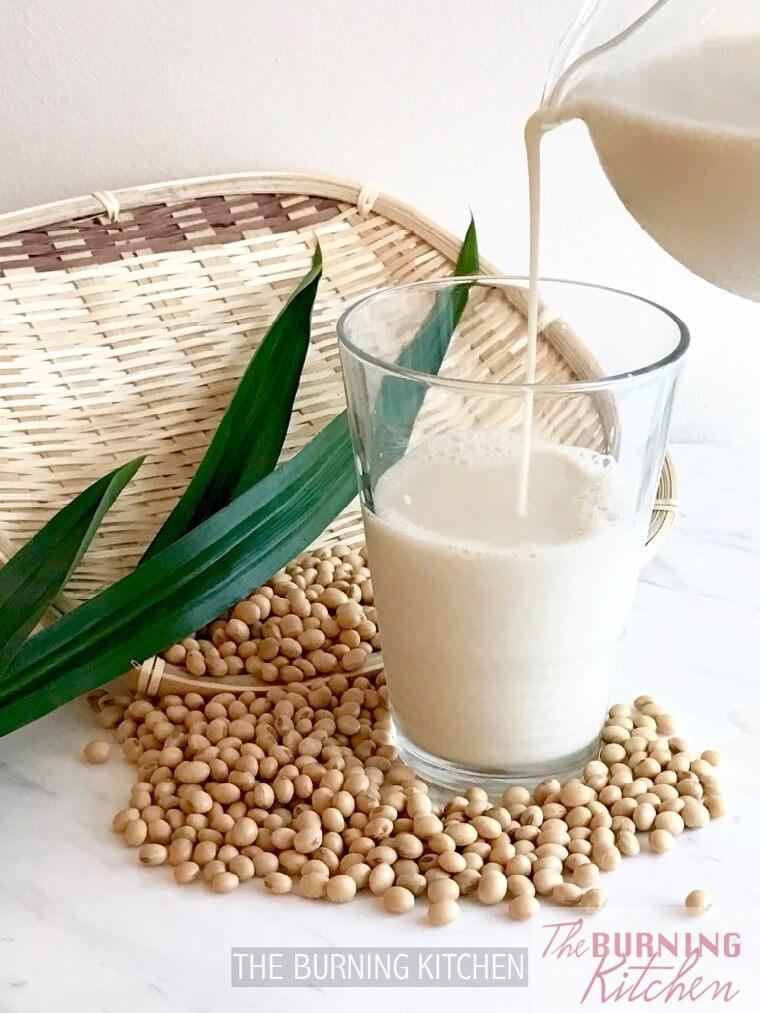
| Soy milk | Soybeans | Protein content similar to dairy |
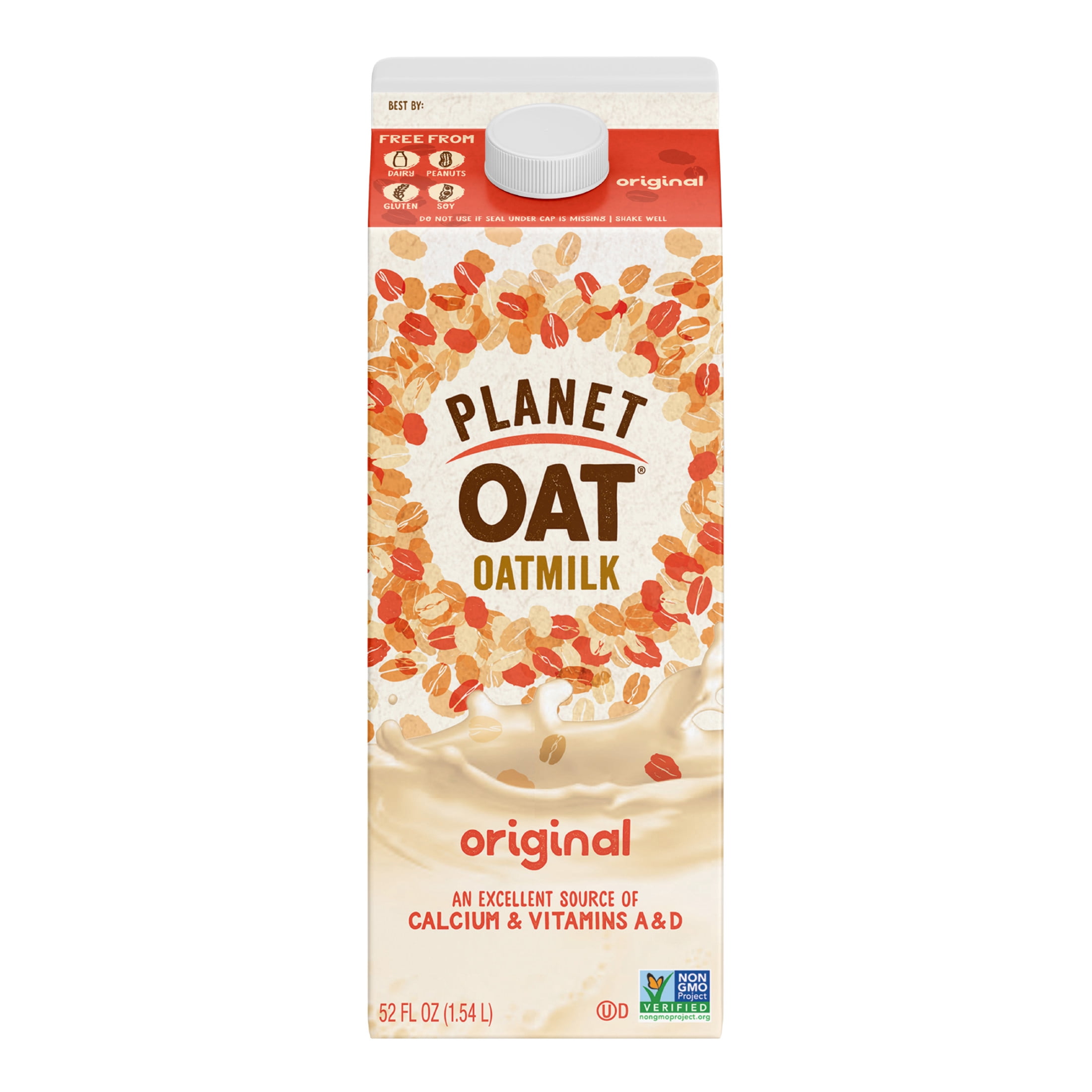
| Oat milk | Oats | Creamy texture |
| Rice milk | Rice | Naturally sweet |
| Coconut milk | Coconut | Good for cooking |
Just like dairy milk, milk substitutes are tested for safety before packaging.
🔍 9. How Milk Substitutes Are Tested
Milk alternatives go through quality checks as well:
- Microbial tests — no harmful bacteria
- Ingredient purity checks — correct plant base, no adulteration
- Nutritional analysis — verifies label claims
- Allergen screening — especially for nuts, soy
- Shelf stability test — ensures freshness through expiry date
So when you buy almond or oat milk, you can trust it has passed safety checks just like cow’s milk.
📊 10. What Companies Test For — Quick Summary
| Test Category | Why It Matters |
|---|---|
| Microbiological | Prevent disease |
| Chemical residues | Avoid harmful drugs/pesticides |
| Physical quality | Ensures proper nutrition |
| Animal health indicators | Detect potential infections |
| Packaging integrity | Prevent contamination |
Every batch that fails is either re-tested or rejected — none goes to store shelves without passing all required checks.
🧠 11. How Government & Regulations Help
Milk safety is not only up to companies — governments set strict standards.
Examples:
- Maximum bacterial count limits
- Zero tolerance for antibiotics
- Mandatory pasteurization
- Regular farm inspections
These standards protect public health and ensure consistent quality.
👩🔬 12. Real-Life Testing — What Happens in the Lab
In a dairy testing laboratory:
- Milk samples arrive labeled
- Multiple technicians run different tests
- Results are logged into quality systems
- Any failed test triggers an investigation
- Milk is cleared only when all tests pass
Some labs use automated machines that check hundreds of samples per day.
🧰 13. What Consumers Should Know
As a customer, you can be confident:
✔️ Packaged milk is tested for harmful organisms
✔️ Suppliers check animals for common diseases
✔️ Pasteurization kills most pathogens
✔️ Milk substitutes have their own safety checks
✔️ Regulatory agencies enforce standards
🥤 14. Choosing Safe Milk — Practical Tips
Here’s how to choose and store milk safely at home:
- Always check the expiration date
- Store milk in the coldest part of the fridge
- Don’t mix old and fresh milk
- Keep milk containers sealed
- If milk smells sour or looks curdled, don’t drink it
For milk substitutes:
- Shake before use
- Store opened cartons in the fridge
- Observe usage instructions
💡 15. Frequently Asked Questions (FAQs)
Q: Can animals with rabies contaminate milk?
A: Rabies affects nervous tissue and saliva. In healthy herds, with proper screening and hygiene, milk does not carry rabies. Pasteurization also destroys viruses.
Q: How many tests are done on milk?
A: Modern dairy companies perform dozens of tests — physical, chemical, microbiological, and disease-specific — on every batch.
Q: Are plant-based milks safe?
A: Yes. They are tested for microbial safety, allergens, ingredients, and labeling accuracy.
🧾 16. Conclusion — Trust But Verify
Milk — whether from cows, buffaloes, or plants — is a nutritious staple. Dairy companies take safety seriously, with rigorous testing at every step. Quality assurance systems and regulations ensure the milk you buy is safe to drink. So the next time you pour a glass of milk or milk alternative, you can trust that many tests and safeguards went into making it safe and wholesome.

