


Kedarnath: Legends, Sacred Waters, Pilgrimage Beliefs,
Kedarnath: Legends, Sacred Waters, Pilgrimage Beliefs, and Modern Arrangements
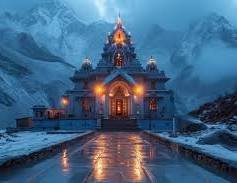
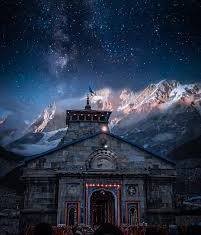
High in the Garhwal Himalayas of Uttarakhand lies one of the most revered shrines of Hindu faith—Kedarnath Temple. Dedicated to Lord Shiva, Kedarnath is not only a place of worship but also a center of deep mythology, spiritual belief, and human resilience.
The Sacred Story of Kedarnath
According to the Mahabharata, after the Kurukshetra war, the Pandavas sought forgiveness for their sins. They searched for Lord Shiva, who avoided them by taking the form of a bull.
When the Pandavas finally recognized him, Shiva disappeared into the earth, and different parts of his body appeared at five places—forming the Panch Kedar. At Kedarnath, it is believed that his hump (pind) appeared, which is worshipped today in the temple.
Miraculous Water of Kedarnath
Kedarnath is surrounded by sacred water sources:
The Mandakini River, flowing near the temple, is considered holy
Water used in rituals is believed to have purifying and healing properties
Pilgrims believe that bathing or offering water here removes sins and brings peace
While science sees it as glacial water, faith gives it a spiritual meaning.
Belief About the ‘Pind’ (Shiva Lingam)
The main deity in Kedarnath is a naturally formed rock (pind), not a man-made idol. Some local beliefs say:
The pind may gradually submerge or change over time
In future ages (Kalyug), worship may shift to another place
However, these are beliefs and traditions, not confirmed facts.
Events and Natural Disasters
Kedarnath has witnessed major events, especially the tragic 2013 Kedarnath floods. Despite massive destruction, the temple remained largely intact, which many devotees consider miraculous.
Pilgrimage and Visitor Numbers
Kedarnath is part of the famous Char Dham Yatra. Every year:
Lakhs of devotees visit during the pilgrimage season (May–October)
In recent years, 15–20 lakh pilgrims annually have visited Kedarnath
The number varies depending on weather and conditions.
Where Do Pilgrims Come From?
Devotees travel from all over India, especially:
Uttar Pradesh, Delhi, Maharashtra, Gujarat
Southern states like Tamil Nadu and Karnataka
Also international Hindu devotees
Government Arrangements for Tourists
After 2013, the government made major improvements:
Better roads up to Gaurikund
Helicopter services for easier access
Online registration and tracking systems
Medical camps and emergency services
Improved accommodation and food facilities
The Government of Uttarakhand has focused on safety, crowd management, and infrastructure.
Facilities and Safety Measures
Weather monitoring systems
Disaster response teams
Clean drinking water and sanitation
Trekking route improvements
These steps have made the journey safer and more organized.
Faith and Beliefs
Kedarnath is believed to:
Remove sins and grant moksha (liberation)
Fulfill wishes of devotees
Strengthen spiritual connection with Lord Shiva
The temple’s location in harsh conditions also symbolizes devotion and endurance.
Conclusion
Kedarnath is not just a temple—it is a blend of mythology, faith, and nature. From ancient stories of the Mahabharata to modern-day pilgrimages, it continues to inspire millions.
Whether it is the sacred water, the mysterious pind, or the breathtaking Himalayan setting, Kedarnath represents the deep spiritual roots of India. With improved facilities and strong faith, it remains one of the most important pilgrimage destinations in the country.
hu