Paper vs Plastic: The Truth Behind Bags, Trees, and Changing
Paper vs Plastic: The Truth Behind Bags, Trees, and Changing Habits
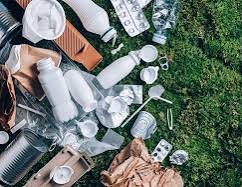
Today, many places in India are banning plastic bags (polythene). For a few days, people follow the rules, but after some time, plastic use slowly returns. The reason is simple—plastic is cheap, strong, and convenient. On the other hand, jeans bags feel eco-friendly, but they raise an important question: If paper is made from trees, are we cutting forests every day?
Let’s understand the full reality in a simple and detailed way.
🛍️ Why Plastic Is Banned but Still Used
Plastic bags are:
Cheap and easily available
Waterproof and strong
Convenient for daily shopping
But they also:
Do not decompose easily
Cause soil and water pollution
Harm animals and marine life
That’s why governments keep banning them. Still, due to habit and convenience, people often go back to using plastic.
📄 Where Does Paper Come From?
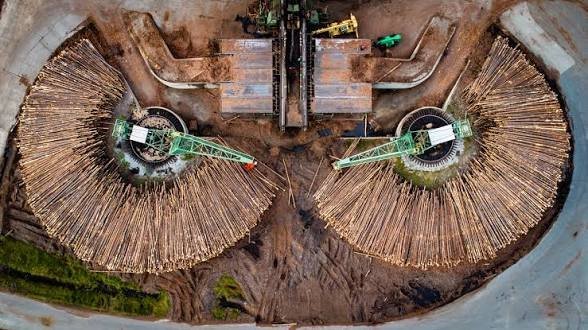
Paper is mainly made from wood pulp, which comes from trees. But this does NOT always mean natural forests are being destroyed.
🌳 Trees Used for Paper Making
Some common trees used in paper industry:
Eucalyptus
Poplar
Bamboo
Subabul (Leucaena)
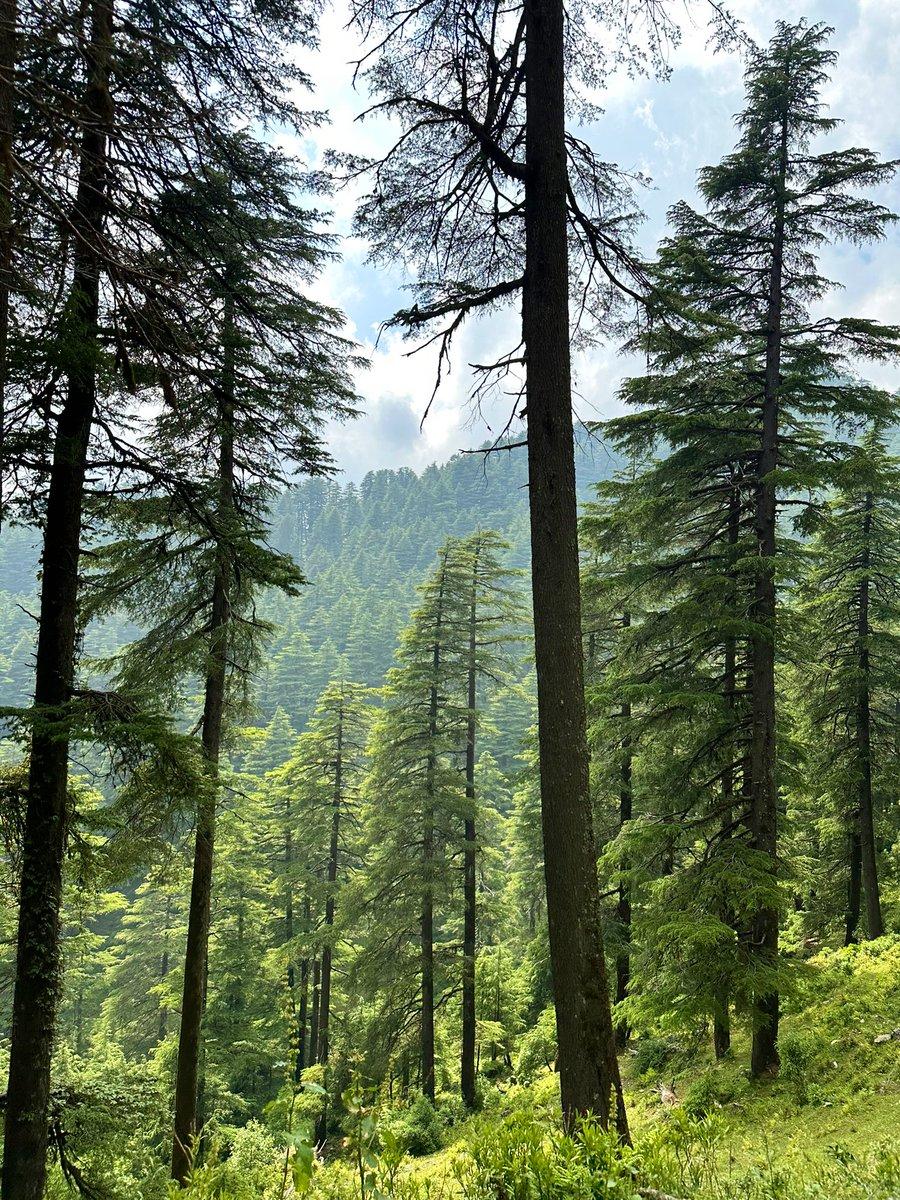
Pine (in hilly areas)
These trees are:
Fast-growing
Specially planted for industrial use
So, most paper comes from planned plantations, not wild forests.
🌱 Are Trees Cut Daily? Se
Yes, trees are cut regularly for industries like:
Paper
Matchsticks
Furniture
Bidi leaves (like tendu leaves)
But there is also replantation (afforestation):
For every tree cut, companies are expected to plant new ones
Many paper industries run their own farms
However, the problem arises when:
Illegal cutting happens
Replantation is less than cutting
🪵 Other Uses of Trees
Trees are used in many daily products:
🔥 Matchsticks
Made from soft wood like poplar and pine
🚬 Bidi
Uses tendu leaves, not wood
These leaves come from forest trees
📦 Packaging
Cardboard boxes
Paper bags
So, trees are connected to many everyday items.
♻️ Recycling: Paper from Waste
Good news—paper is not always made from fresh trees.
Old materials like:
Newspapers
Books
Office paper
Cardboard
are collected by kabadiwalas and sent for recycling.
Process:
Paper is soaked in water
Turned into pulp
Cleaned and processed
Made into new paper
This reduces the need for cutting new trees.
📊 Paper Usage in India
India uses millions of tons of paper every year
Major uses:
Education (books, notebooks)
Packaging (online shopping, food delivery)
Offices
📚 Education Impact
Earlier:
Students reused old books
Now:
New syllabus every year
New books required
This increases paper demand and waste.
🌍 Import & Export
India:
Produces a large amount of paper
Also imports high-quality paper
Exports certain paper products
⚖️ Paper vs Plastic: Which Is Better?
FactorPaperPlasticEco-friendlyYes (biodegradable)NoStrengthMediumHighReusableLimitedMorePollutionLowVery high
👉 Paper is safer for the environment, but excessive use still affects trees.
🌳 Are Enough Trees Being Planted?
Large industries do plantation farming
Government runs afforestation programs
But awareness is still needed
Balance is important:
👉 Cutting = Planting (must be equal or more)
⚠️ Problems of Excess Tree Cutting
Climate change
Loss of wildlife
Less rainfall
Soil erosion
So, even paper must be used wisely.
📚 What Happens to Old Books?
Old books:
Sold as scrap (raddi)
Recycled into new paper
Sometimes reused or donated
But today, frequent syllabus changes create huge waste.
🌟 Conclusion
Both paper and plastic have advantages and disadvantages. Plastic harms the environment more, but paper also depends on trees. The real solution is not just banning one thing—but using both responsibly.
👉 Use cloth or jute bags
👉 Reuse books and paper
👉 Support recycling
👉 Plant more trees
Only then can we maintain a balance between development and nature.