
Introduction
The business process outsourcing (BPO) and call-centre industry has played a significant role in India’s employment landscape for decades. From international voice-process centres providing support to global customers, to domestic inbound and outbound services, the call-centre field has offered entry-level jobs, among the fastest hiring streams for fresh graduates. But as the market evolves – automation, chatbots, remote work, global competition – questions arise: How safe is a career in call centres? And what are the real opportunities across companies, sectors and geographies in India?
This article dives deep into the structure of call-centre jobs in India, the categories of companies and roles, the risks and security factors of such careers, the opportunities (and limitations), the skill-sets required, future trends, and practical advice for job-seekers.
1. The Indian Call-Centre / BPO Landscape
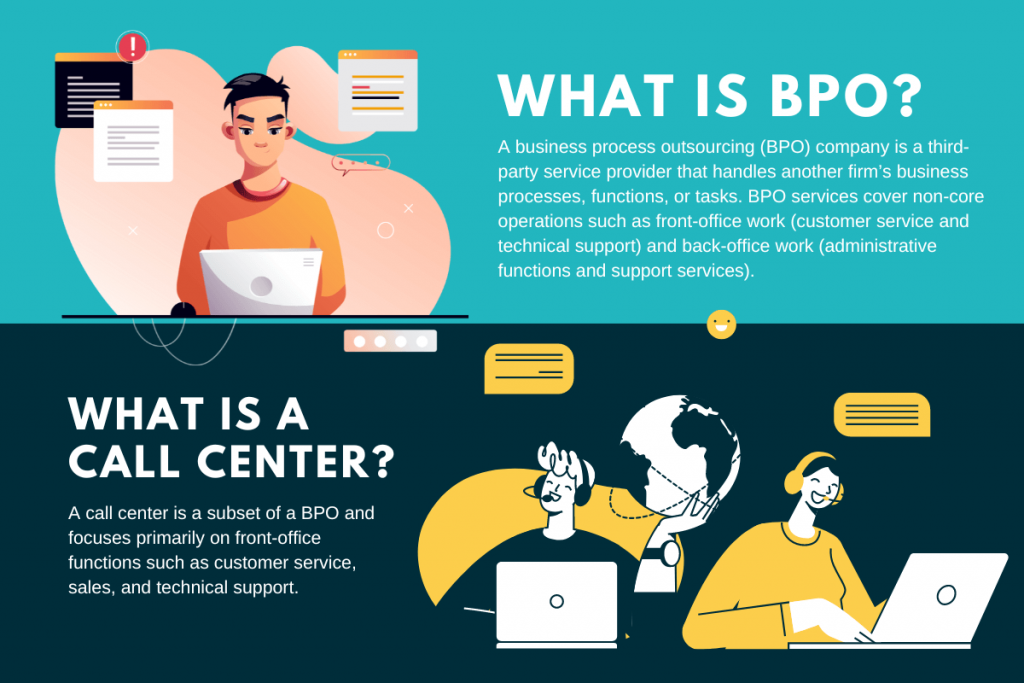
1.1 What is a call-centre job?
A “call-centre” job typically involves handling customer or client calls (inbound or outbound), giving support, addressing queries, making sales, or collections. According to a career‐advice article, call centre roles rely heavily on communication, customer service mindset and can serve as entry-points into other roles. Coursera+1
1.2 Scale & demand in India
- Online job portals show thousands of active “call centre / customer service” job postings in India. For example, a recent search yielded 2,000+ call‐centre jobs listed on LinkedIn in India. LinkedIn
- On Indeed, there were 3,000+ call-centre job vacancies listed recently in India. Indeed
- Many roles appear even at entry‐level, including for freshers with good communication skills. AmbitionBox+1
1.3 Why India became a hub
India has advantages: large English-speaking population, lower labour cost relative to many Western countries, and time-zone leverage for global clients. Thus many global corporations, service providers, and outsourcing firms set up sizable operations in India.
1.4 Types of businesses offering call centre roles
- Large BPO / outsourcing firms (servicing global clients)
- Captive centres of multinational corporations
- Domestic service providers (inbound customer care, domestic process)
- Tele‐sales / telemarketing operations
- Work-from-home/remote customer-service models
Image Suggestion 1:

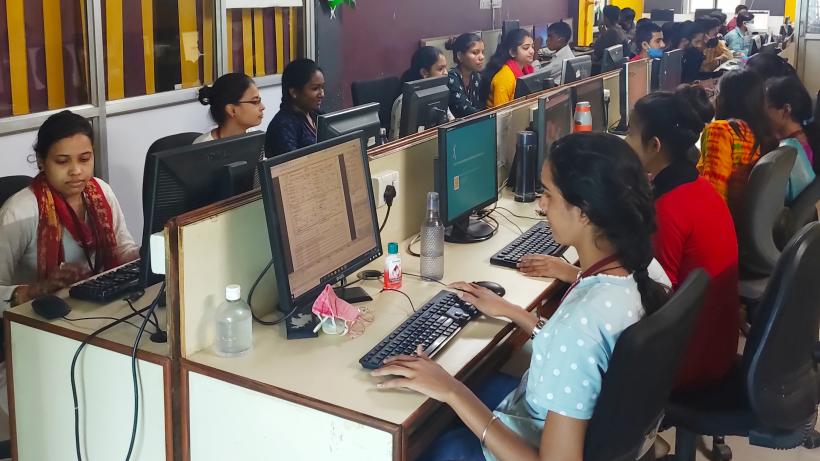




Caption: “Call-centre operations in India – on-site and remote setups.”
2. Roles, Levels & Career Path in Call Centres
2.1 Entry-level (Agent / Executive)
At this level, typical roles include:
- Inbound customer service representative
- Outbound tele-sales or collections agent
- Chat or e-mail support (non-voice)
Skills typically required: good communication (English or local language), basic computer literacy, willingness to work shifts (often night shifts for international processes).
2.2 Mid-level (Team Lead / Senior Executive)
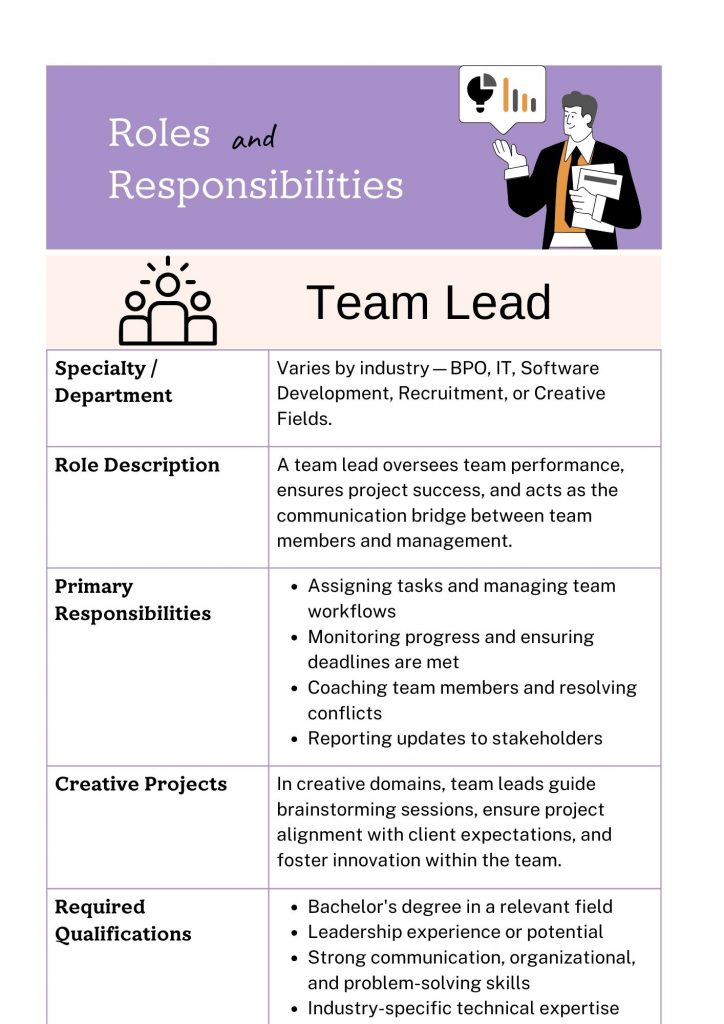
After gaining experience (1–3 years or more), an agent may be promoted to team lead supervising other agents, handling escalations, training newcomers, monitoring metrics (e.g., call time, resolution rate).
2.3 Specialist or Managerial Roles
Beyond team lead, roles include:
- Process specialist (quality assurance, training, process improvement)
- Operations manager (managing teams, clients, budgets)
- Shift manager / floor manager
- Client‐relationship specialist (especially in international BPOs)
2.4 Transition opportunities
With time and/or additional training some people transition into adjacent areas: workforce management, analytics, customer experience design, tele‐sales strategy, or other business-process roles. According to a career-advice piece:
“With a good amount of call centre experience, you may be able to grow into mid-level customer service positions such as customer service specialists, product experts, and customer service management positions.” Coursera
Image Suggestion 2:


Caption: “Career ladder in call centre operations – agent to team-lead to operations manager.”
3. How Safe Are Careers in the Call-Centre Field?
Career safety means both job availability (demand) and survivability (ability to remain employed and progress). Let’s examine both.
3.1 Strengths supporting safety
- High entry demand: As seen, thousands of job postings exist for call-centre roles in India; this provides significant opportunity.
- Low minimum education barrier: Many roles accept 12th pass or graduates, making them accessible to many. iicsindia.com
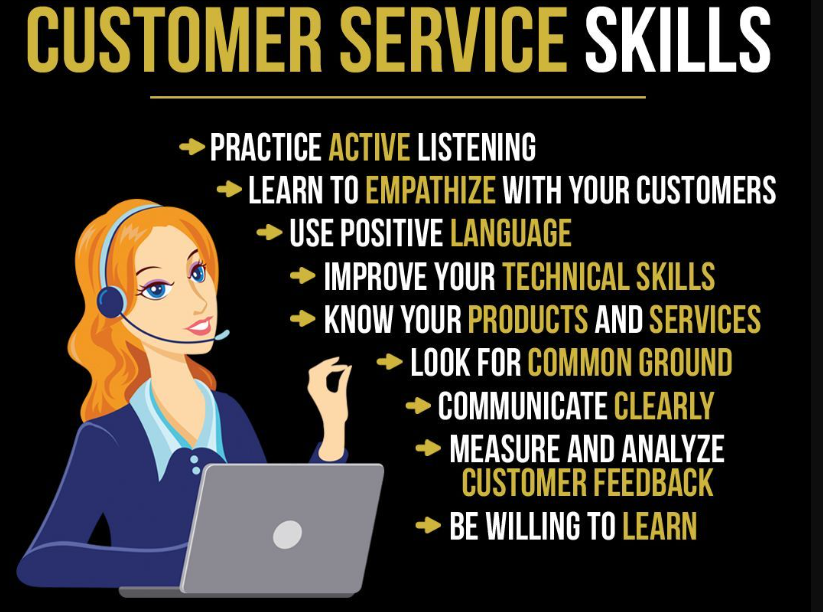
- Transferable skills: Skills like communication, customer service, problem‐solving, multitasking are useful in many sectors.
- Global outsourcing model: Many global firms continue to use Indian call-centre operations to service customers, which sustains demand.
3.2 Risks / Limitations to safety
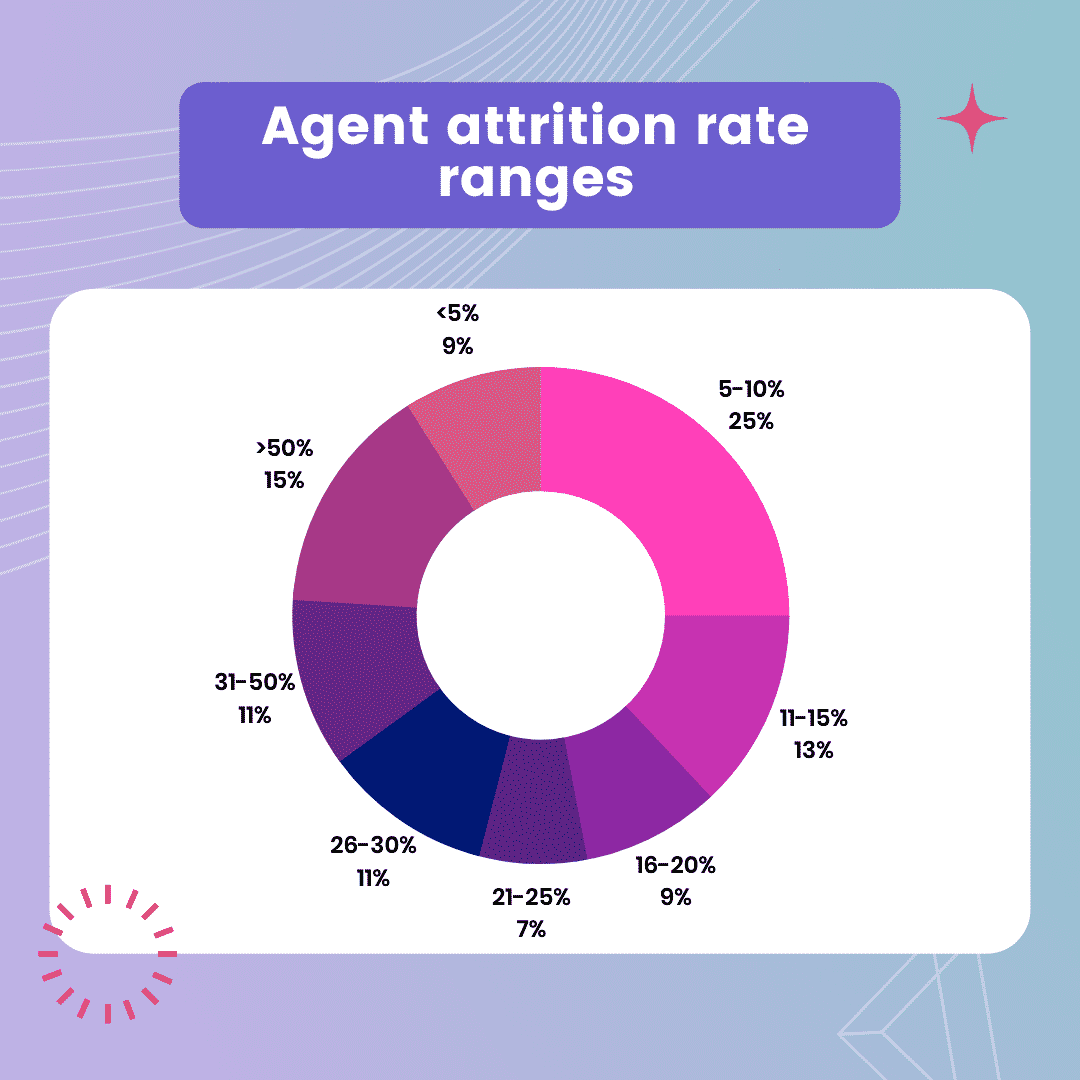
- High attrition: Call-centre jobs often have high employee turnover due to work pressure, shift‐work, monotony, and limited promotion.
- Shift work and working hours: Many international voice processes require night shifts, which affects work-life balance and can lead to burnout.
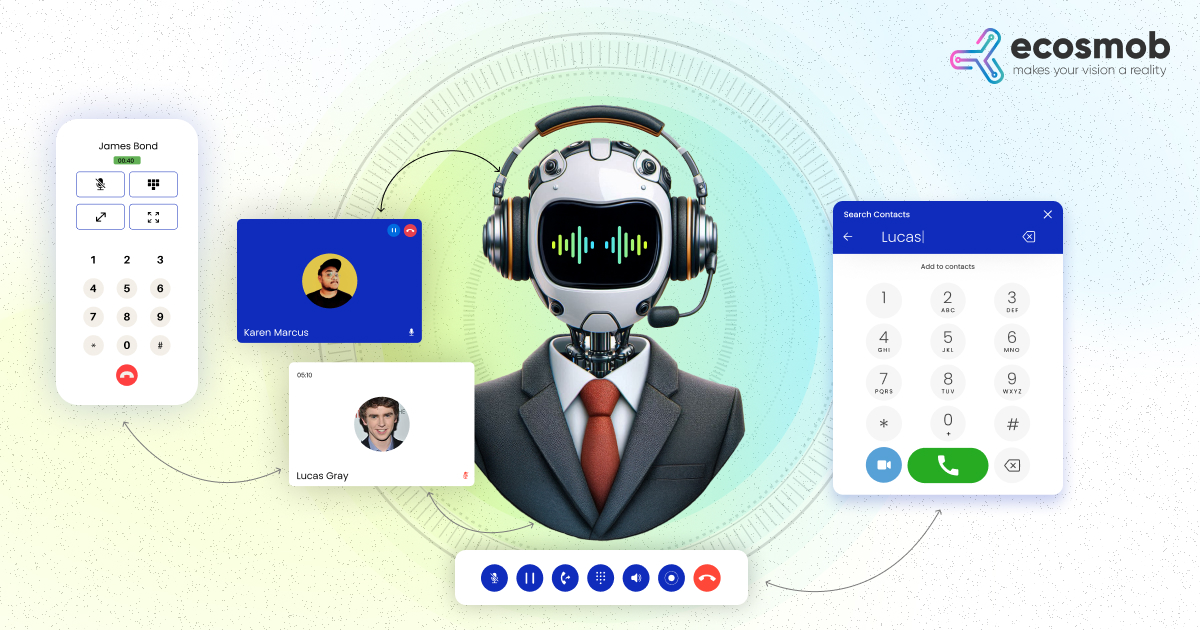
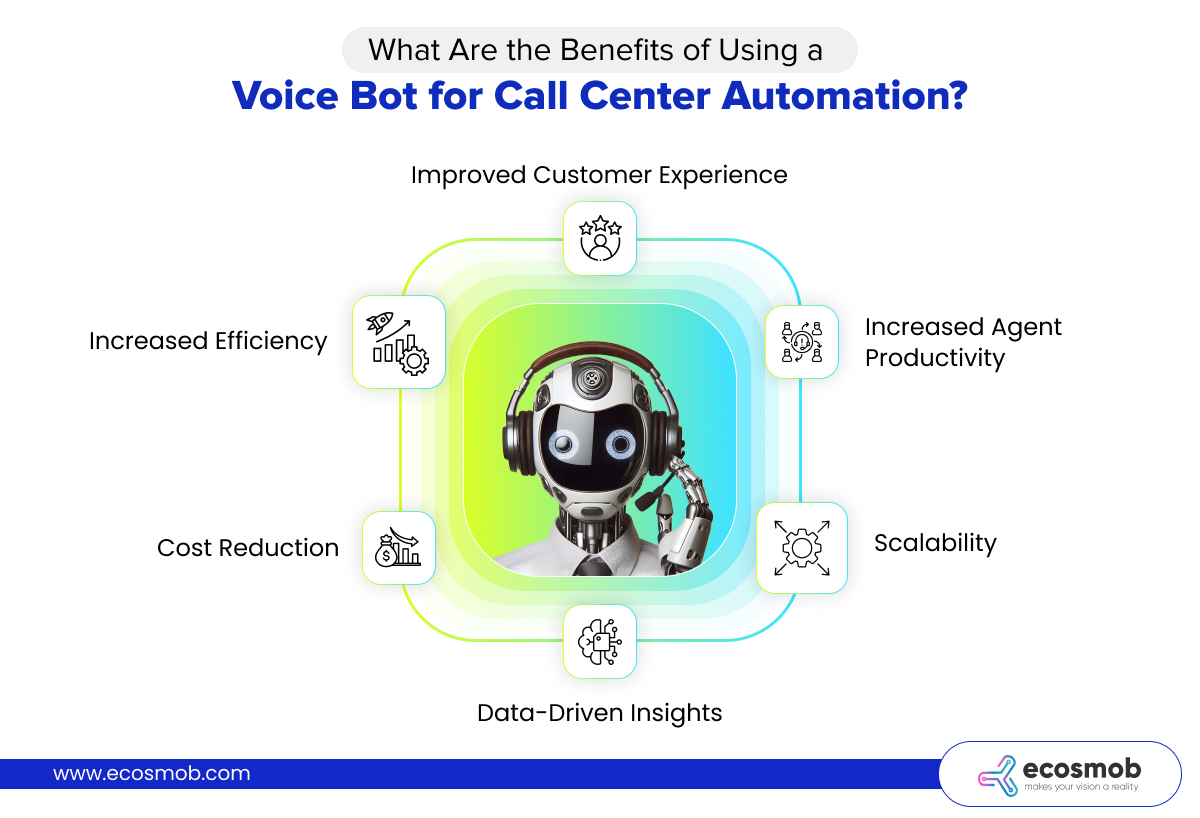
- Automation & AI threat: Technologies such as chatbots, voice bots, and AI driven customer-service systems are increasingly adopted. For example, a major Indian firm’s CEO predicted “very minimal incoming call centres” in future. Financial Times
- Limited long‐term progression for some roles: If one stays only in basic agent roles, without skill development or specialization, career stagnation is possible. Reddit posts reflect frustration: “I strongly regret taking my first call centre job.” Reddit
- Night shifts / health & lifestyle concerns: Shift changes, odd hours, and continual pressure can affect personal life and health over time.
- Outsourcing offshoring risk: Some roles might be shifted to lower‐cost geographies or replaced by remote/automated models.
3.3 Overall assessment
On balance: careers in call centres hold moderate safety — there is decent demand and accessible entry, but long-term stability and progression depend heavily on individual choices (skill development, role choices, company type) and external factors (automation, global outsourcing trends).
Image Suggestion 3:



Caption: “Challenges impacting call-centre career safety – attrition, automation, shifts.”
4. Opportunities & Scope in the Field
4.1 Volume of roles and hiring
As earlier noted, the number of job listings remains high, including for freshers. This suggests significant entry opportunities. For example:
- “2,000+ Call Center jobs in India (119 new)” on LinkedIn. LinkedIn
- Indeed listing 3,000+ call centre vacancies. Indeed
- Regional job listings: e.g., >100 call‐centre jobs in Uttar Pradesh alone. Indeed
4.2 Role diversification
Beyond traditional voice support, new roles are emerging:
- Non-voice chat / email support
- Multilingual customer service (Hindi, regional languages, international languages)
- Remote / work-from-home call-centre jobs
- Specialist voice for sales, collections, technical support
- Training and quality assurance roles
This diversification expands opportunity beyond simply “call answers customer queries.”
4.3 Geographic & shift flexibility
With Indian cities hosting large BPO operations (Noida, Gurgaon, Bangalore, Chennai, Hyderabad, Pune, Visakhapatnam etc), many regional centres offer roles. Also, remote work is increasingly viable.
4.4 Skill-upgrade and sideways moves
Call-centre roles can be stepping stones. With experience and upskilling, one can move into:
- Team lead, operations roles
- Customer experience manager
- Analytics and workforce management
- Sales and business development
- Process improvement and training
4.5 Entrepreneurship and freelancing
Some call-centre or BPO professionals eventually transition into starting small customer-support outsourcing firms, freelance customer-support roles, remote support/virtual agent roles.
Image Suggestion 4:




Caption: “Expanded opportunities – remote support, multilingual roles, non-voice processes.”
5. How Company Type & Process Type Influence Career Safety & Growth
5.1 International voice processes (global client)
- Usually higher pay (due to working with US/UK clients), more demanding work hours (night/rotational shifts).
- Offers good learning exposure (global communication standards, SLA metrics).
- Risks: Greater pressure, potential for automation, challenging work-life balance.
5.2 Domestic voice processes
- Serving Indian customers/domestic market – typically normal office hours (depending), slightly lower pay compared to international voice.
- Often more stable in terms of hours, less night‐shifts.
- May offer less “premium” pay but also possibly lower stress.
5.3 Non-voice / back-office / chat & email support
- Growing segment, especially with remote and multilingual support.
- Often more flexible hours, fewer night shifts, less accent/voice‐based pressure.
- Good for work-life balance and potentially longer retention.
5.4 Sales / outbound / collections processes
- These may offer higher incentives/commission but also high target pressure and churn.
- Career safety may be more volatile due to reliance on targets and incentives.
5.5 Startups / new BPO centres vs large established firms
- Large firms: more structured training, HR support, better defined career ladders, more stability.
- Startups or smaller centres: may offer faster growth but higher risk (less established, smaller client base, potential instability).
Image Suggestion 5:





Caption: “Comparing process types – international voice vs domestic voice vs non-voice.”
6. Compensation, Work Patterns & Growth Metrics
6.1 Compensation overview
- Entry-level Indian call-centre agents often earn between ₹2 lakh to ₹4 lakh per annum (or ₹15,000-₹30,000 per month local) for freshers; higher for international processes or incentive roles. Indeed+2AmbitionBox+2
- Mid‐level roles (team lead, experienced agent) can move up to ₹5–8 lakh or more depending on role, location, process.
- Managers/specialists may earn significantly more depending on responsibilities, region, international client, and incentives.
6.2 Work shifts & patterns
- International voice roles often involve night shifts or rotational shifts to align with overseas time zones.
- Domestic voice and non-voice roles may have regular day-shifts, though in many BPOs rotational shifts are prevalent.
- Work‐from‐home or hybrid models increasing, though shift requirements still apply in many cases.
6.3 Growth metrics & performance indicators
Common KPIs (Key Performance Indicators) include:
- Average Handling Time (AHT)
- First Call Resolution (FCR)
- Customer Satisfaction Score (CSAT)
- Adherence to Schedule
- Quality Audits
Meeting or exceeding these KPIs often impacts incentives, promotions, retention.
6.4 Growth possibilities
Promotion is possible, but the speed of growth depends on performance, process complexity, language skill, and willingness to shift into leadership or specialist roles. Many agents use their call-centre tenure as a baseline to move into other fields (sales, training, customer experience).
Image Suggestion 6:




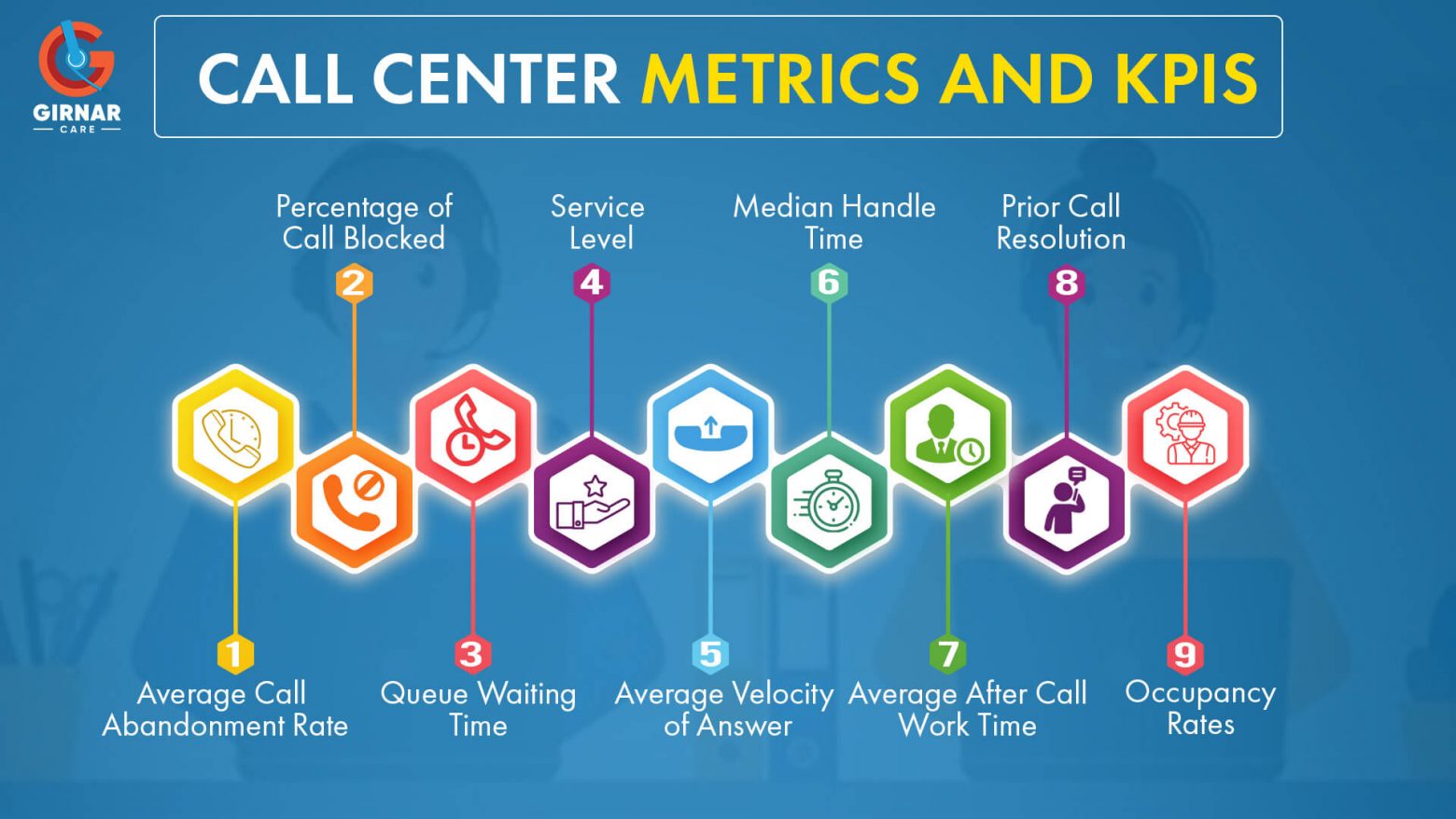
Caption: “Compensation and key performance metrics in call-centre careers.”
7. Skill Sets & Attributes That Boost Career Safety & Mobility
7.1 Core skills required
- Communication (spoken English, clarity, accent neutrality)
- Listening and problem‐solving skills
- Basic computer and CRM tool literacy
- Patience, empathy, customer‐centric mindset
- Shift flexibility (for many roles)
7.2 Skills for advancement
- Multilingual ability (regional languages + English)
- Quality assurance and training skills
- Process improvement and analytics awareness
- Leadership skills (mentoring, team management)
- Sales / negotiation skills (especially in outbound/collections)
- Familiarity with non-voice channels (chat, email, social media)
7.3 Skills to increase long-term safety
Since the call-centre field is exposed to automation and outsourcing pressures, these skills improve long-term career safety:
- Technical fluency in tools, CRM systems, call-centre software
- Analytics mindset — ability to interpret data (call volumes, CSAT trends)
- Process/stakeholder management — moving beyond taking calls to improving how calls are handled
- Adaptability to change (remote work, hybrid shifts, cross‐channel support)
- Resilience and self-management (handling stress, shift changes, KPIs)
Image Suggestion 7:

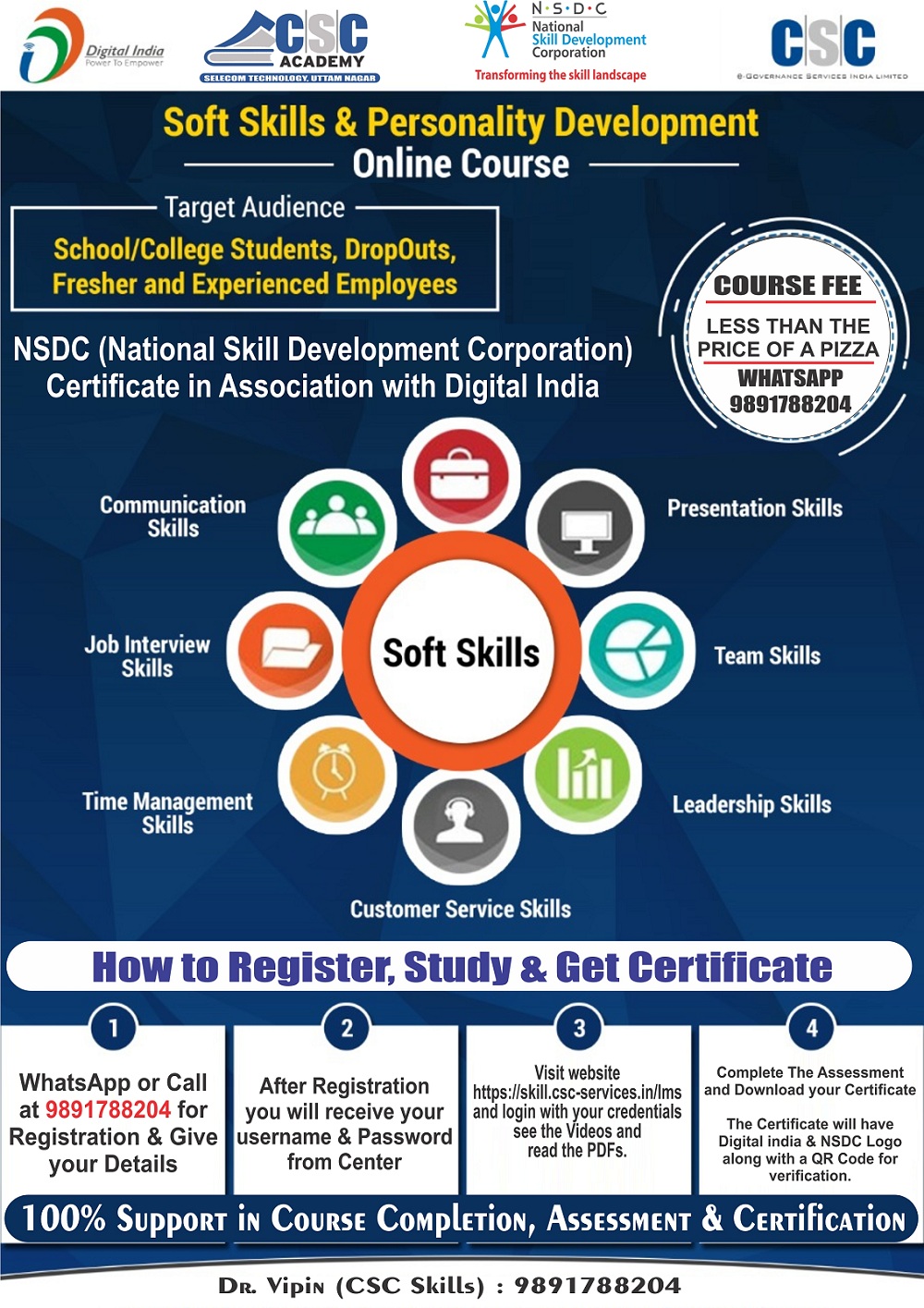
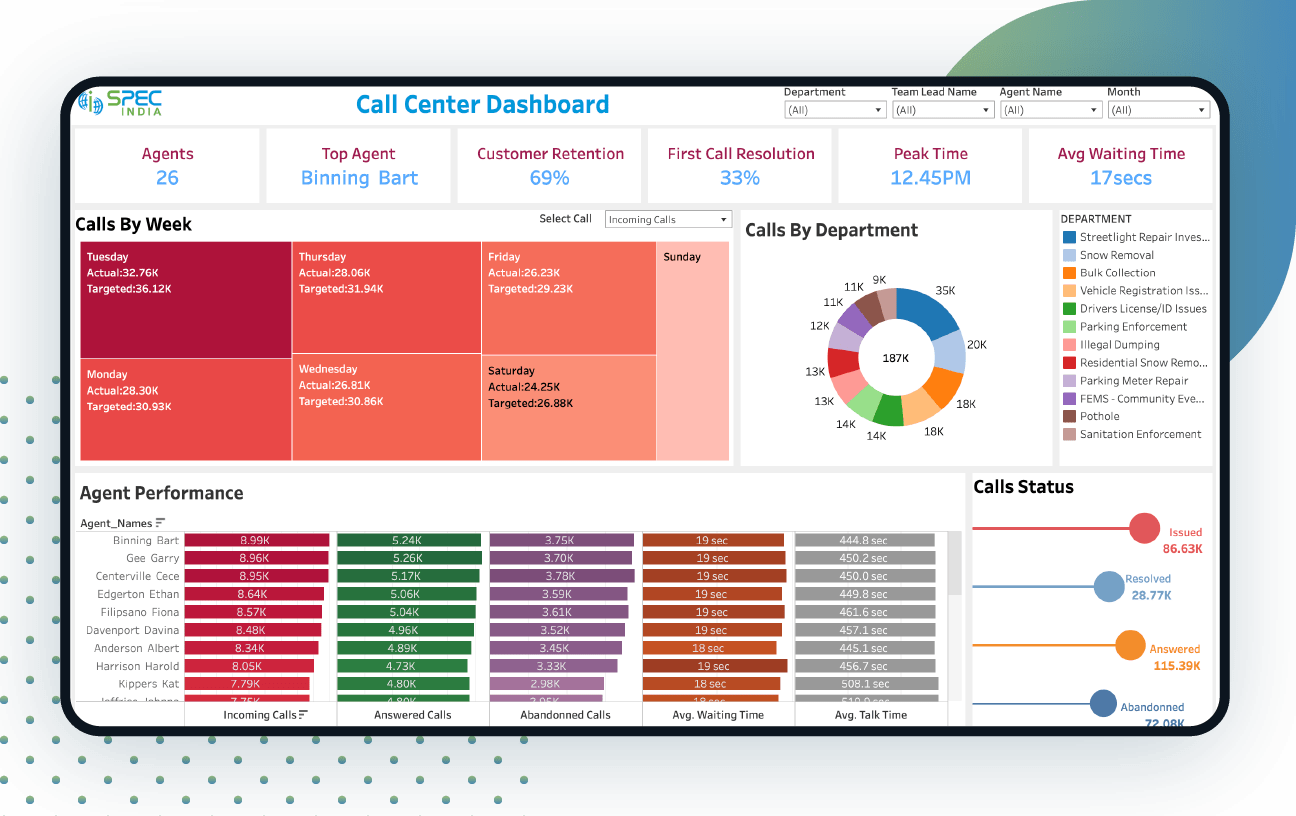

Caption: “Skills and training that boost call-centre career mobility and safety.”
8. Challenges Facing Call-Centre Careers
8.1 Shift work and lifestyle impact
Working night shifts, rotational hours or odd schedules can affect physical health, mental well-being and work-life balance, making retention difficult for many.
8.2 High attrition & monotony
The repetitive nature of many call-centre roles, high target pressure (especially in sales/outbound), and limited breaks can lead to employee turnover.
“The work environment and culture in the BPO sector … many people switch to some other path.” Reddit
8.3 Automation & AI impact
With increasing adoption of chatbots and AI for customer service, certain routine voice processes may reduce. Example: A senior executive of a major Indian IT services firm predicted minimal incoming call centres because AI will handle many predictable interactions. Financial Times
8.4 Domestic/Global competition & outsourcing
As global companies outsource to lower‐cost regions and leverage remote/virtual work models, call-centre operations may face cost pressures, which can affect hiring or wage growth.
8.5 Stagnant roles and limited upward mobility
If one remains in the same agent role without developing specialization, the risk is of stagnation — both in terms of career growth and job satisfaction.
Image Suggestion 8:



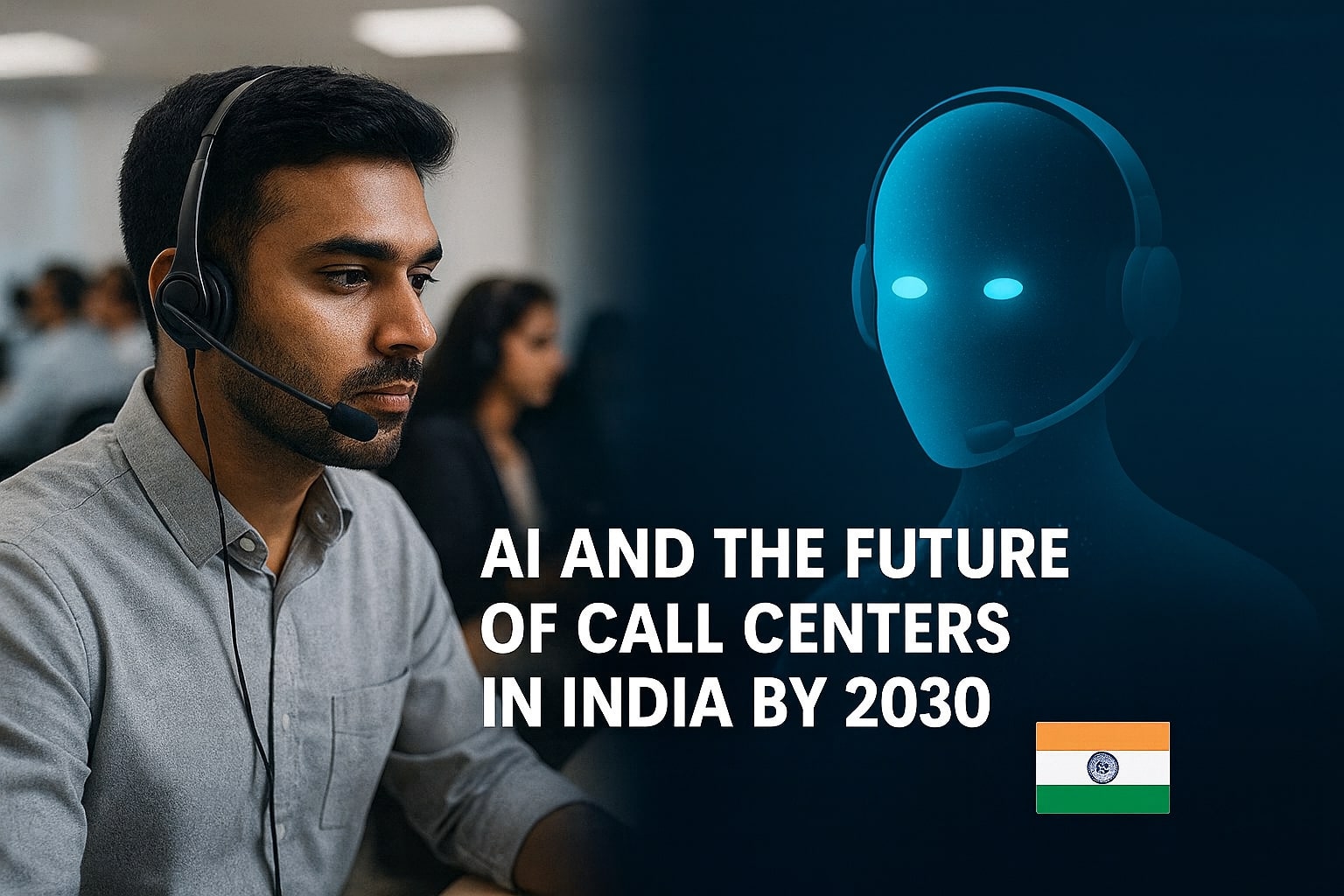
Caption: “Key challenges in call-centres – shift demands, automation threat, attrition.”
9. Future Trends & How They Affect Opportunity & Safety
9.1 Remote Work & Hybrid Models
With advances in broadband, cloud telephony and work-from-home infrastructure, many call-centre jobs are shifting off-site. This opens new opportunities (wider geography, less relocation) but also changes how teams are managed and how career development happens.
9.2 Non-voice & Omni-Channel Support
Customer service is no longer just voice-calls. Chat, email, social media, video support, and AI-assisted help are growing. Agencies increasingly require agents who can handle multi-channel. This diversification increases job options for those who adapt.
9.3 AI & Automation
As noted earlier, AI will handle more repetitive queries, but human agents will remain needed for complex, emotional or escalation scenarios. The transition means agents need to shift to higher‐value tasks, cross-channel engagement, analytics and customer experience roles.
Also, technology may ease agent work (e.g., real-time assistance, knowledge-bases, voice-bots doing initial triage) rather than replace all human agents.
9.4 Analytics & Customer Experience
There’s a growing emphasis on metrics such as customer journey, retention, lifetime value, and experience rather than just call‐volume. Call-centre agents may evolve into roles that feed into customer-experience strategy, data dashboards and insights.
9.5 Regional Language & Tier-2/Tier-3 Cities Growth
As saturation happens in major metros, many call-centre companies are expanding to tier-2/3 cities in India (lower cost, fresher talent). This means more geographically diverse opportunities.
Also, roles in regional languages are growing (Hindi, Tamil, Telugu, Bengali etc), which expands access for non-metro job seekers.
Image Suggestion 9:


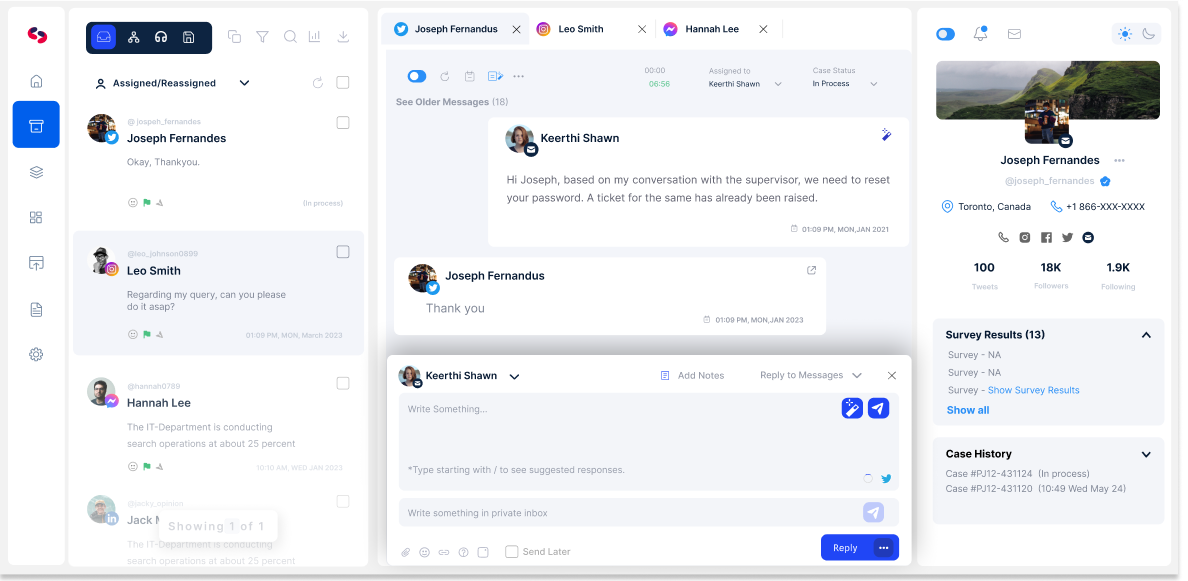


Caption: “Emerging trends in call-centres – remote work, omni-channel support, regional expansion.”
10. Who Should Consider a Call-Centre Job & Who Should Be Cautious?
10.1 Ideal candidate profile
- Recent graduate or intermediate looking for a corporate foot-in-door.
- Comfortable with communication (English + possibly another language).
- Adaptable to shift work and high target/metric environment.
- Willing to use this role as a stepping stone, and not stay static.
- Interested in customer service, sales or support work, and able to handle pressure.
10.2 When to be cautious
- If you strongly prefer stable day shifts and are unwilling to do rotational or night shifts.
- If you do not enjoy high‐interaction, high‐repetition tasks.
- If you do not plan to upgrade your skills or move beyond basic agent role and thus risk stagnation.
- If work-life balance, health, and long‐term career progression are dominant priorities and you find shift work unacceptable.
Image Suggestion 10:





Caption: “Candidates choosing call-centre roles – opportunistic entry vs long-term view.”
11. Practical Advice for Job-Seekers & Career Planning
11.1 For entry-level candidates
- Ensure your communication skills (especially English) are strong. Many job ads emphasise this. Indeed
- Be prepared for shift work and night schedules (especially for international voice processes).
- Treat the role as a stepping stone — set a 1–2 year goal for learning and performance.
- Research the company (client, process type, shift patterns, incentives) before accepting.
- Ask about training, metrics/KPIs, promotion policy, and attrition rate in the team.
11.2 For mid-career professionals in call-centres
- Seek roles with additional responsibilities (mentoring, QA, training) to build a broader profile.
- Upskill: learn about CRM systems, analytics dashboards, process improvement.
- Explore non-voice or multi-channel support roles (chat, email, social media).
- Network internally and externally for lateral moves (e.g., customer-experience, operations).
- Maintain a savings and backup plan, considering attrition and industry shifts.
11.3 For long-term stability
- Avoid stagnation: don’t remain purely an agent for many years without added capability.
- Focus on roles with higher value (escalations, quality assurance, shift management) that are less easily automated.
- Keep an eye on emerging trends (remote work, analytics, regional expansion) and be ready to adapt.
- Consider geographic mobility (tier-2 cities, remote work) and language skills to diversify opportunity.
- Prioritise health & work-life balance — shift work can take toll; ensure you manage wellness, sleep and rest.
Image Suggestion 11:

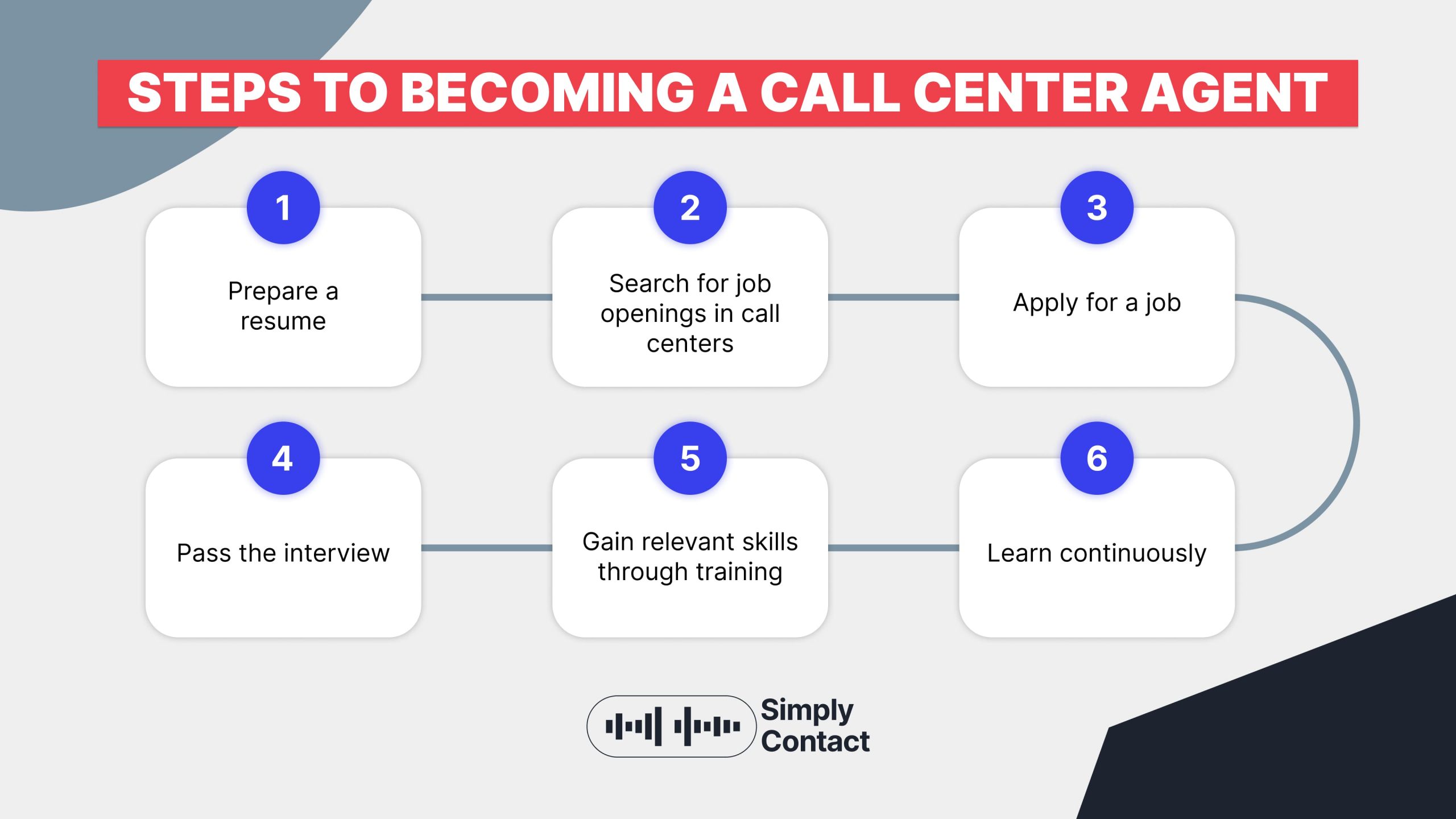


Caption: “Career-planning and upskilling strategy for call-centre professionals.”
12. Summary & Final Thoughts
The call-centre field in India presents a mixed but significant opportunity. On one hand, it continues to hire large numbers of freshers and offers an entry path into corporate services. The ability to gain communication skills, exposure to global clients, and possibility of climbing to team lead or operations roles make it attractive.
On the other hand, the safety of a long-term career in a simple agent role is less assured. Factors such as automation, outsourcing, high attrition, shift work, and limited upward mobility for non-skilled agents introduce risk. Thus, career safety and growth in this field depend heavily on individual initiative: upskilling, moving into specialist processes, broadening your skill set and planning a progression path.
If you are considering a call-centre job, view it as a launchpad — not the end destination. Use the role to build skills, network, and adapt into higher-value roles. With that mindset, you can turn the opportunities into a safer and more rewarding career path.
If you like, I can generate a downloadable PDF version of this article with embedded images, or I can create a slide deck summary for sharing. Would you like me to prepare that?
