



The Importance of a Handkerchief in Our Daily Life:
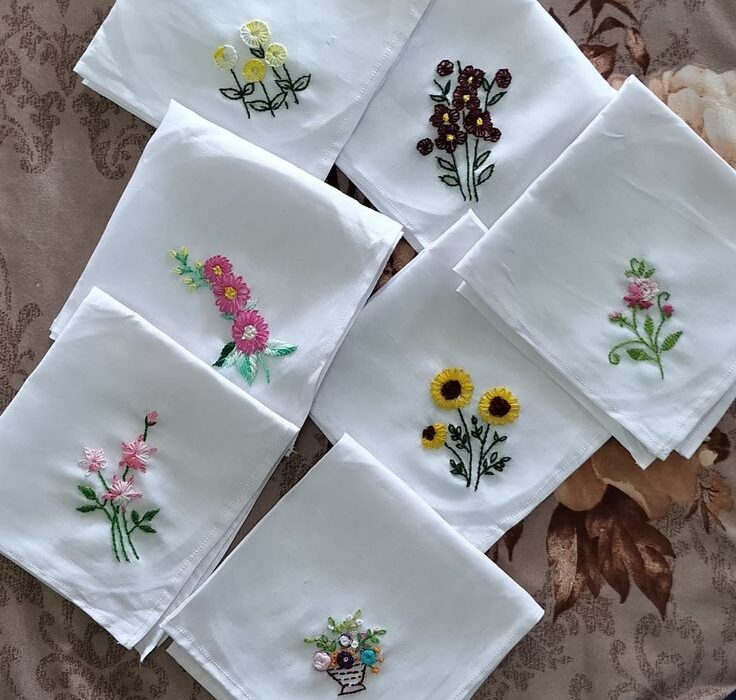
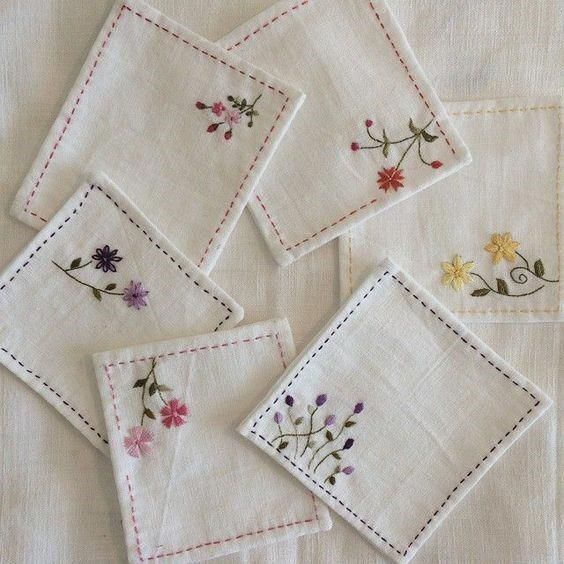
A handkerchief, or rumal, may look like a very small and ordinary piece of cloth, but it has an important place in our daily lives. We carry many things when we leave home—our phone, wallet, keys and sometimes a water bottle—but a handkerchief is one of those simple things that can become extremely useful when we need it most.
From wiping sweat on a hot day to covering our mouth during a cough or sneeze, a handkerchief can be helpful in many situations. It is not just about cleanliness; in Indian society, carrying a clean rumal has also traditionally been connected with tahzeeb, tameez and good manners.
A Handkerchief Can Help During Unexpected Situations
When we are travelling or walking outside, unexpected situations can happen. Someone may suddenly feel nauseous, need to vomit, have a runny nose, or start coughing. In such moments, having a handkerchief can provide immediate help.
It can be used to cover the mouth and nose while coughing or sneezing, helping reduce the spread of respiratory droplets onto nearby surfaces or people. Of course, a handkerchief is not a guarantee against infection, and people who are sick should also follow proper hygiene practices and, when appropriate, use a well-fitting mask.
Sometimes a small rumal becomes useful precisely because it is already in our pocket or bag.
The Lesson We Learned During the COVID-19 Period
During the COVID-19 pandemic, people became much more aware of the importance of covering the nose and mouth. Masks became a common part of everyday life, and people also became more conscious about coughing, sneezing and maintaining distance from others.
A handkerchief can provide temporary coverage for a cough or sneeze, but it should not be considered the same as a properly designed medical or respiratory mask. A proper mask is generally more suitable when protection from respiratory infections is needed.
Still, the pandemic reminded us of an important social responsibility: when we are coughing or sneezing, we should think not only about ourselves but also about the people around us.
Rumal Shows Tahzeeb and Tameez
There is also a cultural side to carrying a handkerchief.
In many Indian families, older generations would rarely leave home without carrying a rumal, gamcha or small towel. It was considered part of being properly dressed and prepared.
If someone needed to wipe their face, hands or sweat, they did not have to use their clothes. They simply took out their rumal.
That small habit reflected cleanliness, discipline and manners.
Even today, taking care of small personal habits can make a difference in how we present ourselves to others.
Summer and Sweat: A Simple Everyday Use
India can become extremely hot, especially during the summer. When we walk outside, travel by public transport, work outdoors or simply spend time in the sun, sweat can quickly appear on the face, neck and hands.
A clean handkerchief is very convenient in such situations.
Instead of wiping our face repeatedly with our shirt or hands, we can use a clean rumal. It is small enough to carry in a pocket and can be washed and reused.
For someone going to work, a restaurant, an office meeting or a social gathering, a clean handkerchief can be a simple part of personal grooming.
Our Elders Had Their Own Practical Solutions
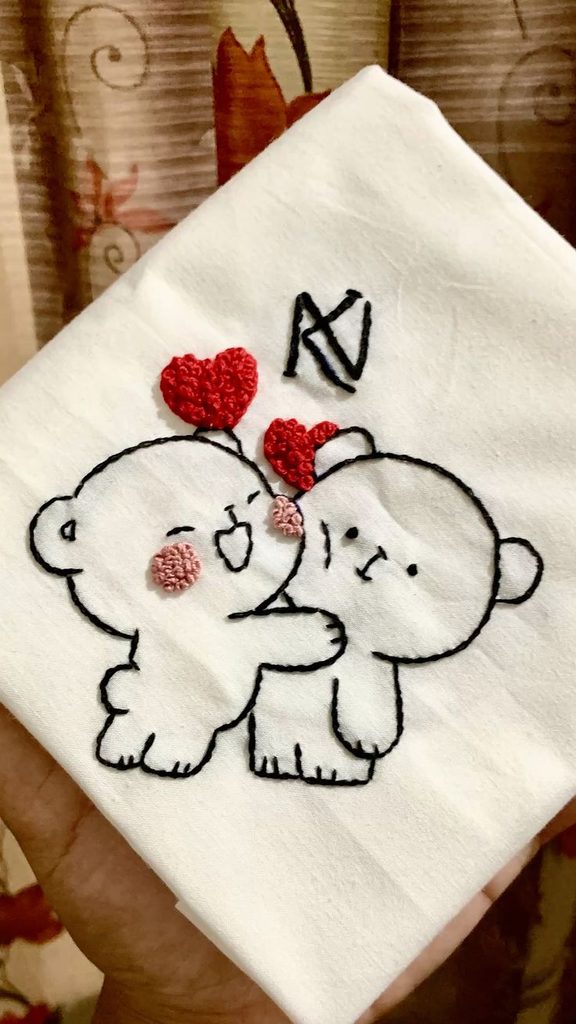
If we look at older generations, particularly in villages and small towns, people often carried gamcha, towel or rumal. These were not fashionable accessories; they were practical necessities.
A gamcha could be used for wiping sweat, drying the face, protecting the head from the sun and helping with everyday work.
People in earlier generations often lived with fewer possessions, so one useful cloth could serve several purposes.
This is one reason why the traditional rumal and gamcha remain familiar even today.
Cover Your Mouth When You Cough or Sneeze
One of the most important uses of a handkerchief is respiratory etiquette.
If someone has a cold, cough or another respiratory illness, covering the mouth and nose while coughing or sneezing is a basic act of consideration.
However, simply keeping the rumal over the mouth is not enough. The cloth should be kept clean, and hands should be washed regularly. A used handkerchief should not be casually passed to another person.
If someone is sick, staying home when possible, maintaining ventilation, washing hands and using an appropriate mask when necessary are more reliable ways of reducing the spread of infection.
A Small Habit Can Protect Other People
Imagine someone sitting near an open window of a bus, train or car and coughing or spitting outside without covering their mouth. The droplets or saliva may reach another person, a passerby or a nearby surface.
This is where basic manners matter.
Using a tissue or covering a cough or sneeze properly with a clean cloth can help prevent droplets from spreading unnecessarily.
Good manners are not only about saying “please” and “thank you.” Sometimes manners mean doing small things that prevent discomfort for another person.
Rumal Is Not Only for Personal Use
Cloths are found throughout our homes and workplaces for different purposes.
We may see towels and cloths in kitchens and bathrooms, while small towels or rumals may be kept in bags, vehicles, offices and shops.
They all serve different purposes.
But it is important not to use the same cloth for everything. A personal handkerchief should be kept separate from a kitchen-cleaning cloth or bathroom cloth. Regular washing and proper drying are important, especially when a cloth has been used for sweat, coughing or other bodily fluids.
A Handkerchief Can Also Reflect Personality
The way a person takes care of small things can sometimes tell us something about their habits.
A clean, neatly kept handkerchief may seem like a tiny detail, but when we are at work, meeting someone, travelling or eating at a restaurant, such details contribute to our overall appearance.
It does not mean that a person carrying a rumal is automatically better than someone who does not. Rather, it is about developing the habit of being prepared and considerate.
Why Should We Bring Back the Simple Habit?
Modern life has given us tissues, wet wipes, disposable products and many other conveniences. These are useful, but the traditional reusable handkerchief still has a place.
It is inexpensive, easy to carry and washable. A person can keep one in a pocket, handbag, backpack, office drawer or vehicle.
The important thing is to use it responsibly and keep it clean.
Conclusion: A Small Rumal, A Big Message
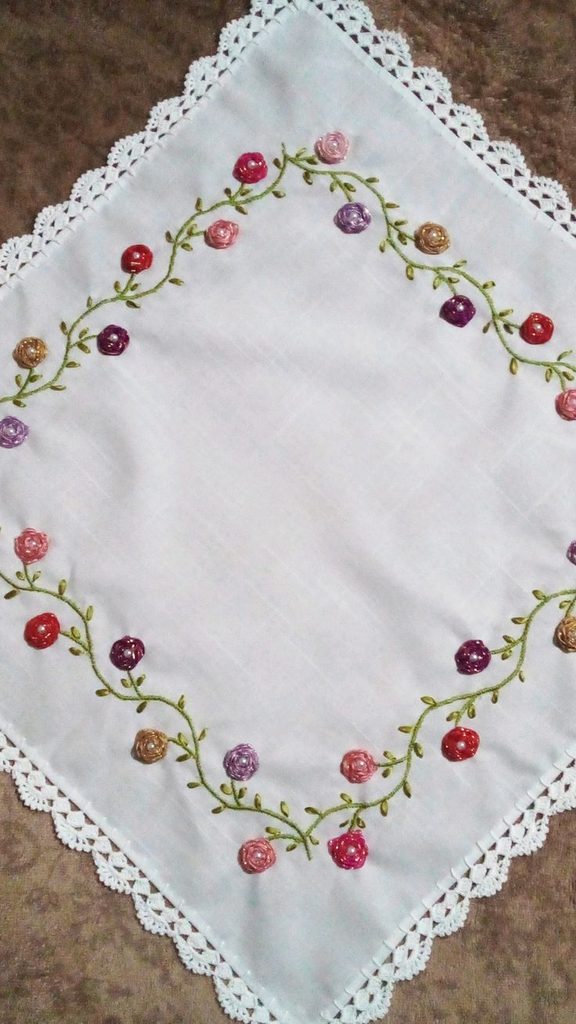
The handkerchief may be a small piece of cloth, but its importance goes beyond wiping sweat.
It can help us during unexpected travel problems, provide temporary coverage during a cough or sneeze, and remind us about cleanliness and consideration for others. In Indian culture, it has also traditionally represented tahzeeb, tameez and preparedness.
Our grandparents and parents understood the value of carrying simple, useful things. The rumal was one of them.
Today, despite all our modern conveniences, there is still something meaningful about keeping a clean handkerchief with us.
It is a small habit, but it carries a bigger message:
Take care of yourself, respect the people around you, and never underestimate the usefulness of simple things.