

Swimming Is a Lifelong Skill: Benefits, Pool Hygiene, Safety
Swimming is more than just a recreational activity. It is a useful life skill that can improve physical fitness, breathing capacity, coordination, confidence and overall body strength. Learning to swim at a young age can also become valuable later in life because a person who knows how to stay afloat and move safely in water may be better prepared during an unexpected water emergency.
However, swimming is not automatically healthy simply because it takes place in water. Where we swim, how the water is maintained, how many people use it, personal hygiene, and water safety all matter.
Swimming Has Benefits That Can Stay With You
Regular swimming can provide several long-term benefits:
It exercises many muscles at the same time.
It can improve cardiovascular fitness.
It can strengthen the shoulders, back, legs and core.
It can improve coordination and body balance.
Water provides resistance without the same impact on joints as many land-based exercises.
Swimming can help people develop confidence in water.
Learning basic swimming and floating skills can be important for personal safety.
For children, swimming can also be a useful combination of exercise, discipline and enjoyment. But children should learn under proper supervision rather than simply being placed in a swimming pool.
The Hygiene Problem in a Crowded Swimming Pool
A swimming pool may look clean because the water is clear, but clear water does not necessarily mean completely germ-free water.
Many people may enter the same pool during the day. Sweat, skin particles, cosmetics, dirt and other contaminants can enter the water. If swimmers have poor personal hygiene, the contamination can increase.
This is why showering before entering a pool is important. A person should ideally wash the body properly before swimming instead of treating the pool as a place for bathing.
Body odour itself does not mean that a dangerous disease will spread, but poor hygiene can contribute to unpleasant smells and contamination.
Can One Person’s Illness Spread to Others?
Yes, some infections can spread through recreational water, although properly maintained and disinfected pools reduce the risk.
Swimming pools can sometimes be associated with illnesses such as certain gastrointestinal infections, skin infections and ear or eye problems. The risk depends on the type of infection, water quality, sanitation and swimmer behaviour.
Therefore, a person who has diarrhoea should not swim, because some germs can contaminate recreational water very easily.
People with certain contagious skin conditions or other infections should also follow medical advice and swimming-facility rules before entering a communal pool.
What About Swimming During Fever?
Swimming during a fever is generally not a good idea.
When the body is fighting an infection, rest and adequate hydration are usually more important than exercise. Swimming while feeling weak or dizzy can also increase the risk of an accident.
There is another issue: if the fever is caused by an infectious illness, entering a communal pool may expose other people.
So the better rule is simple:
If you have fever, significant weakness, vomiting, diarrhoea or another contagious illness, stay out of the pool until you have recovered and it is safe to return.
Children and Adults Swimming Together
Children and adults can use the same swimming pool, but this does not mean they should be left without supervision.
Young children can get into difficulty surprisingly quickly. Even a child who has taken swimming lessons may panic in an unexpected situation.
Parents or responsible adults should therefore remain close to young children and follow the pool’s safety rules.
Swimming lessons should teach more than simply moving through water. Children should learn:
floating,
breathing control,
entering and exiting water safely,
basic rescue awareness,
what to do if they fall into water,
and when they should never enter water without an adult.
Does Pool Water Need Chemicals Every Day?
Swimming pools normally require proper water treatment. Disinfectants such as chlorine are commonly used to control harmful microorganisms, and pool operators also monitor factors such as pH.
But adding chemicals is not the same as making the water permanently safe.
A pool needs regular testing, filtration, circulation, cleaning and appropriate chemical treatment. The exact treatment schedule depends on the pool, its size, usage, filtration system, local requirements and water-quality measurements.
Too little disinfectant can allow germs to survive. On the other hand, improperly balanced or excessive chemicals can irritate the eyes, skin and respiratory system.
That is why pool maintenance should be based on testing and proper management, not simply adding chemicals by guesswork.
What If the Pool Water Is Three or Four Days Old?
The age of the water alone does not tell us whether a swimming pool is safe.
A well-managed pool can keep water in circulation and continuously filter and disinfect it. Some pools may therefore operate without completely replacing all the water every day.
The important questions are:
Is the water being properly filtered? Is the disinfectant at the correct level? Is the pH controlled? Is the pool cleaned? Is the water tested regularly?
If water is not being properly treated, simply leaving it for three or four days can allow contamination to become a problem.
So swimmers should not judge pool hygiene only by whether the water looks clear.
Swimming in a River Is Not Automatically Safer
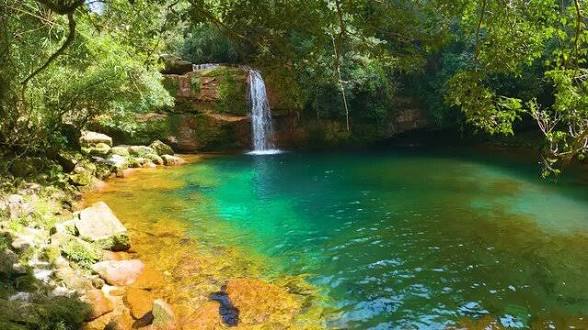
Natural water can feel fresher and more enjoyable than a crowded swimming pool, but it has its own dangers.
A river may contain:
strong currents,
sudden changes in water depth,
slippery rocks,
underwater plants,
floating debris,
contaminated water,
insects,
animals,
and hidden underwater obstacles.
The greatest danger is often the current and changing depth, rather than insects or animals.
A person who is an excellent pool swimmer may still get into trouble in a river because swimming against a strong current is very different from swimming in a controlled pool.
Therefore, people should never assume that natural water is automatically healthier or safer.
What About Swimming in the Ocean?
The ocean can be beautiful and physically refreshing, but it deserves even more respect.
Salt water is not a guarantee of clean or safe water. Beaches can have pollution, microorganisms, sharp objects, marine animals and other hazards.
More importantly, the ocean can have:
waves,
tides,
rip currents,
strong currents,
sudden changes in depth,
and difficult weather conditions.
A person should never enter deep ocean water simply because other people are swimming there.
Swimming at a supervised beach, staying within designated areas and following lifeguard instructions are much safer choices.
Why Do People Swim in Pools Instead of Rivers or the Sea?
The biggest advantage of a properly managed swimming pool is control.
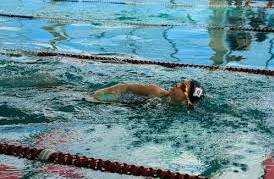
A pool generally provides a predictable depth, controlled surroundings and easier supervision. It is particularly useful for beginners, children and competitive swimmers.
For learning swimming, training strokes and preparing for competitions, a properly maintained pool is usually much more suitable than a river or ocean.
Natural water can be enjoyable, but it requires additional skills and awareness.
Swimming Is a Skill, Not Just Entertainment
Swimming should not be viewed only as a way to have fun during summer.
A person who learns swimming properly may gain a skill that can remain useful for many years. Someone who falls accidentally into water may have a better chance of staying calm, floating and reaching safety if they have learned appropriate water-survival skills.
However, swimming ability does not make a person immune to drowning. Even experienced swimmers can be overwhelmed by currents, exhaustion, cold water, injury or panic.
Swimming lessons reduce risk; they do not eliminate it.
How Should We Swim More Hygienically?
A few simple habits can make communal swimming more hygienic:
Take a proper shower before entering the pool.
Do not swim when suffering from diarrhoea or another contagious illness.
Avoid swallowing pool water.
Keep wounds properly covered or avoid swimming until they have healed.
Use appropriate swimwear.
Follow the pool’s hygiene rules.
Young children should be supervised closely.
Do not urinate in the pool.
Avoid entering a pool if you are extremely tired, dizzy or unwell.
Follow lifeguard instructions and posted safety rules.
The Right Balance Between Pool and Natural Water
There is no need to declare either swimming pools or natural water universally “good” or “bad.”
A properly maintained swimming pool can be an excellent place to learn and practise swimming.
A river, lake or ocean can provide a wonderful natural experience, but the risks are less predictable. Natural-water swimming should therefore be approached with greater caution and preferably in designated, supervised areas.
The real problem is not swimming itself. The problem is unsafe water, poor hygiene, lack of supervision and overconfidence.
Final Thought
Swimming is one of those skills that can provide benefits far beyond exercise. It can improve fitness, coordination and confidence, and learning basic water-survival skills may one day help a person protect themselves or assist someone else.
At the same time, a swimming pool is a shared environment. Sweat, dirt, germs and poor personal hygiene can affect other swimmers, while improperly treated water can create its own problems. That is why proper showering, water testing, filtration, disinfection and responsible behaviour are important.
The best approach is simple: learn swimming properly, respect water, maintain personal hygiene, choose well-maintained facilities, and never underestimate natural water.
Swimming should be a healthy habit—but it becomes truly beneficial when it is combined with hygiene, discipline and water safety.