

Humans, Animals and Plants: We All Depend on Each Other
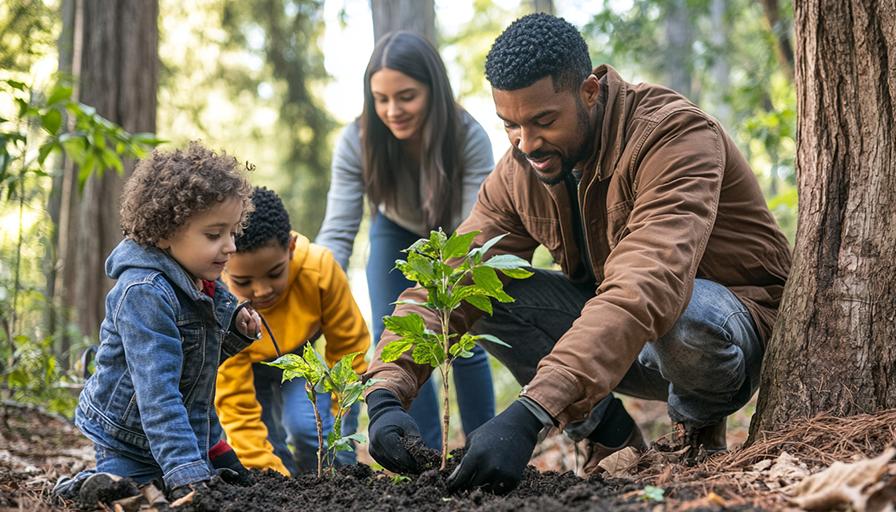
Human life cannot exist separately from animals, plants and nature. We may live in modern houses, use smartphones, travel in cars and depend on technology, but at the basic level, every human being still depends on nature. The food we eat, the milk we drink, the vegetables and fruits we enjoy, the crops grown in fields and even the oxygen we breathe are connected with the natural world.
Animals, plants and human beings are part of one large cycle of life. We need them, and in many ways, they also depend on us.
Humans Cannot Ignore Animals and Plants
A person can earn money, build a house and live a comfortable life, but money alone cannot produce milk, vegetables, fruits, grains or oxygen.
Plants give us food, oxygen, shade, medicines and many useful materials. Animals provide milk, help in farming and, in different parts of the world, support transportation and other human activities.
This is why ignoring animals and plants is ultimately like ignoring an important part of our own life.
Our ancestors understood this relationship much more closely. Farming, animal care, trees, water and the soil were not treated only as sources of profit. They were part of everyday life and responsibility.
Humans Learned How to Live With Animals
Over thousands of years, humans learned how to keep and manage different animals. A cow, buffalo, horse, dog or ox can live closely with people when properly cared for.
At the same time, wild animals require a different kind of relationship. A snake, elephant or lion should not simply be treated like a domestic animal. Humans have learned that different animals need different distances, environments and methods of handling.
The important lesson is understanding rather than unnecessary control.
Animals also adapt to their surroundings. When humans provide suitable conditions, food and care, many domestic animals learn to live alongside people. But wild animals should generally be allowed to remain in suitable natural habitats, with safety for both people and animals.
Farming Is More Than Just a Business
If a person has land around a home or access to agricultural land, growing vegetables, fruits, grains or plants can be a meaningful contribution to life.
Farming requires effort. The soil needs preparation, seeds need care, water must be managed and crops need protection. Animals may also need feeding and attention.
Today, many people think only in terms of money and convenience. But farming teaches something that money cannot teach easily: patience, responsibility and respect for the source of our food.
When we grow even a small amount of food ourselves, we understand the effort behind every vegetable, fruit or grain that reaches our kitchen.
Nature Gives, So We Should Also Give Back
Every day, humans take something from nature.
We eat vegetables and fruits.
We consume grains and pulses.
Many people drink milk.
We use wood, cotton and other plant-based materials.
We depend on trees and plants for a healthy environment.
If nature continuously gives to us, shouldn’t we also contribute something?
Giving back does not always mean doing something huge. A person can plant and care for trees, protect water, avoid unnecessary pollution, grow plants, feed animals responsibly and keep the surrounding environment clean.
These small actions together can create a much larger difference.
Caring for Nature Is Everyone’s Responsibility
Taking care of plants and animals should not be considered only the job of a gardener, farmer or worker.
If we benefit from nature, we all have some responsibility toward it.
A gardener may water a plant, but the family living in the house can also care about that plant. A farmer may grow crops, but consumers should also respect the effort involved in producing food.
Similarly, feeding an animal should not be seen merely as an act of charity. Responsible animal care means understanding its food, health, safety and natural needs.
Work Does Not Make a Person Smaller
There is also an important lesson about physical work.
Some people think that manual work is only for workers or people with fewer opportunities. But working with soil, plants, farming or animals can keep a person physically active and connected with real life.
Hands are meant to work. Feet are meant to walk. The body needs movement.
Of course, hard physical work should be appropriate for a person’s age and health, and nobody should be forced into unsafe labour. But ordinary household gardening, walking, caring for plants or helping with suitable farm activities can be healthier than spending every free hour sitting indoors.
Growing older does not mean that a person has to stop being useful. Even small daily responsibilities can give life routine and purpose.
Teach Children the Real Meaning of Life
The new generation should learn that life is not only about earning money.
Children should understand where milk comes from, how vegetables grow, how seeds become plants and how much effort a farmer puts into producing food.
They can learn to plant a small tree, water plants, keep their surroundings clean and understand that animals are living beings with their own needs.
Technology and education are important, but practical knowledge about nature is also valuable.
A child who learns to respect nature may grow into an adult who understands responsibility rather than simply consumption.
Prayer Should Also Lead to Responsibility
For many people, prayer and worship are important parts of life. But spirituality can also inspire practical responsibility.
After praying, a person can ask: What am I doing for the world around me?
If we respect the Earth, we should also care for the soil.
If we respect life, we should treat animals responsibly.
If we value nature, we should protect trees and water.
If we are grateful for food, we should avoid unnecessary waste.
Faith can become more meaningful when it is reflected in everyday actions.
We Are Not Separate From Nature
Sometimes modern life creates the feeling that humans are independent from everything else. We live inside buildings, buy food from markets and use machines for almost everything.
But underneath all this modern convenience, the basic truth remains unchanged.
We still need soil.
We still need water.
We still need plants.
We still need animals in many parts of our food and agricultural systems.
And we still need a healthy environment.
This means human beings are not standing outside nature. We are living inside it.
A Simple Message for the Next Generation
The message is simple: We should not only take from nature; we should also contribute to it.
Earn money, but also understand the value of food.
Build a house, but don’t forget the plants around it.
Use technology, but don’t forget physical work.
Enjoy modern life, but don’t lose your connection with soil, animals and nature.
Teach children that caring for a plant, feeding an animal responsibly, saving water or helping with suitable farming work is not a small thing.
It is part of understanding life.
Conclusion
Human beings, animals and plants form a connected cycle. We depend on nature for food, resources and a healthy environment, while responsible human actions can help protect and maintain that natural system.
We cannot live completely alone. Somewhere behind every meal is soil, water, plants, animals, farmers and human effort.
Nature gives us life. Our responsibility is to give something back through care, work and respect.
That is not only a duty of a farmer or gardener. It is a responsibility shared by all of us.