
South India: Food, Temples, Nature
South India: Food, Temples, Nature and a Growing Travel Attraction
South India has become a popular part of India’s travel and food culture. From crispy dosa and idli to Kerala-style dishes, spicy Andhra food, Karnataka’s traditional meals and Tamil Nadu’s temple cuisine, the region offers a huge variety of flavours.
Below is a research-based, human-sounding article. I’ve treated “South India” mainly as Andhra Pradesh, Karnataka, Kerala, Tamil Nadu and Telangana, while noting that Puducherry and Lakshadweep are also geographically associated with the southern region. The tourism numbers are visits, not unique people, so they should not be read as “this percentage of Indians prefer South India.” (Tourism India)
But South India is not only about food. People travel there for temples, historical buildings, beaches, hills, forests, waterfalls, traditional culture, silk, spices and a different kind of travel experience.
For many visitors, a South Indian journey becomes a combination of food, faith, history, nature and culture.
How Large Is South India?
There is no single constitutional definition of “South India,” but a common geographical grouping consists of five major states:
- Andhra Pradesh
- Karnataka
- Kerala
- Tamil Nadu
- Telangana
Puducherry and Lakshadweep are Union Territories that are also commonly associated with the southern region.
Using the five-state definition, the region covers roughly 6.36 lakh square kilometres. The five states had a combined population of about 25.14 crore in Census 2011, around 20.8% of India’s 2011 population. The area is roughly 19.3% of India’s geographical area. The population and literacy figures here are based on Census 2011; India has not yet released a new completed population census replacing those figures. (Ministry of Statistics)
A Quick South India Statistics Chart
| Indicator | Five Southern States |
|---|---|
| States included | 5 |
| Approx. geographical area | 6.36 lakh sq. km |
| Census 2011 population | 25.14 crore |
| Share of India’s 2011 population | About 20.8% |
| Share of India’s geographical area | About 19.3% |
| Weighted Census 2011 literacy rate | About 76.3% |
| Domestic tourist visits in 2024 | About 1,014 million |
| Share of India’s domestic tourist visits in 2024 | About 34.4% |
| Average domestic visits per day* | About 27.8 lakh |
| Foreign tourist visits in 2024 | About 2.82 million |
| Average foreign visits per day* | About 7,700 |
*The daily figures are simply annual visits divided by 365. They are not actual daily arrival counts. Tourist visits also do not represent unique individuals. The Ministry of Tourism reported about 2.95 billion domestic tourist visits across India in 2024, of which the five southern states accounted for about 1.014 billion. (Scribd)
Which Southern States Receive Large Numbers of Tourist Visits?
The 2024 Ministry of Tourism data shows substantial domestic tourist activity in several southern states.
| State | Domestic tourist visits in 2024 |
|---|---|
| Tamil Nadu | 306.84 million |
| Karnataka | 304.56 million |
| Andhra Pradesh | 290.27 million |
| Telangana | 88.24 million |
| Kerala | 22.25 million |
| Five-state total | 1,014.35 million |
Tamil Nadu, Karnataka and Andhra Pradesh together accounted for the largest portion of the five-state total. The figures measure reported tourist visits within each state, so a person making several trips can contribute more than one visit. (Scribd)
Kerala’s own tourism department reported about 22.25 million domestic tourist visits and 738,374 foreign tourist visits in 2024. (Kerala Tourism)
Where Do People Like to Travel?
South India has many different types of destinations, so visitors do not travel for only one reason.
A traveller may go to:
- Tirupati for pilgrimage
- Chennai and Mahabalipuram for culture, temples and history
- Mysuru and Hampi for heritage and architecture
- Bengaluru and Hyderabad for modern city experiences
- Munnar, Wayanad and Thekkady for hills and nature
- Alappuzha for Kerala’s backwaters
- Coastal areas for beaches and seafood
- Temple towns across Tamil Nadu and Andhra Pradesh for religious travel
The reason South India is interesting is that several of these experiences can be combined in one trip.
A person can visit a historic temple in the morning, eat a traditional meal at lunch, travel through green landscapes in the afternoon and stay in a hill or coastal destination at night.
South Indian Food Has Become a Favourite
Food is one of the strongest attractions of South India.
Dosa, idli, vada, uttapam, sambar, rasam, pongal, curd rice, lemon rice, coconut-based dishes, seafood and many regional rice preparations are now familiar across India and internationally.
But “South Indian food” is not one single cuisine.
Tamil Nadu has its own food traditions. Kerala has a different style. Andhra and Telangana are known for their distinctive spicy preparations. Karnataka has another range of dishes.
So the region offers a large variety rather than one fixed menu.
Is South Indian Food Healthy?
Many traditional dishes can be nutritious, especially when meals contain vegetables, lentils, fermented foods and steamed preparations.
For example, idli is steamed and commonly eaten with sambar, which contains lentils and vegetables. Traditional meals may also include rice, vegetables, pulses, curd and other ingredients.
But it would be incorrect to say that every South Indian dish is automatically healthy.
The amount of oil, salt, sugar, coconut, fried ingredients and portion size also matters.
A dosa cooked with a lot of oil, a deep-fried snack or a very sweet dish can have a very different nutritional profile from a simple steamed meal.
So the health value depends on the complete meal and how it is prepared.
Temple Food and Satvik Bhojan
Food has an important place in many South Indian temple traditions.
At different temples, devotees may receive prasadam, which is food that has been offered to the deity according to that temple’s tradition.
Examples can include rice preparations, sweet pongal, puliyodarai, laddoo, curd-based preparations and other regional foods.
These traditions vary from temple to temple. There is no single “South Indian temple food.”
For devotees, prasadam is not simply ordinary food. It has religious meaning because it is received after being offered as part of worship.
The idea of satvik food is also found in Hindu traditions, although the exact food practices differ according to region, temple, community and religious tradition.
Temples and Historical Buildings
South India has a remarkable collection of temples and historical architecture.
Large temple complexes, stone carvings, gopurams, old sculptures and traditional architectural styles attract both pilgrims and people interested in history.
Places such as the temples of Tamil Nadu, Hampi in Karnataka and the monuments of Mahabalipuram show how architecture and religious traditions developed over centuries.
For many visitors, these buildings are not simply tourist attractions. They are connected with family traditions, faith and personal beliefs.
Nature Is Another Major Attraction
South India has a wide variety of landscapes.
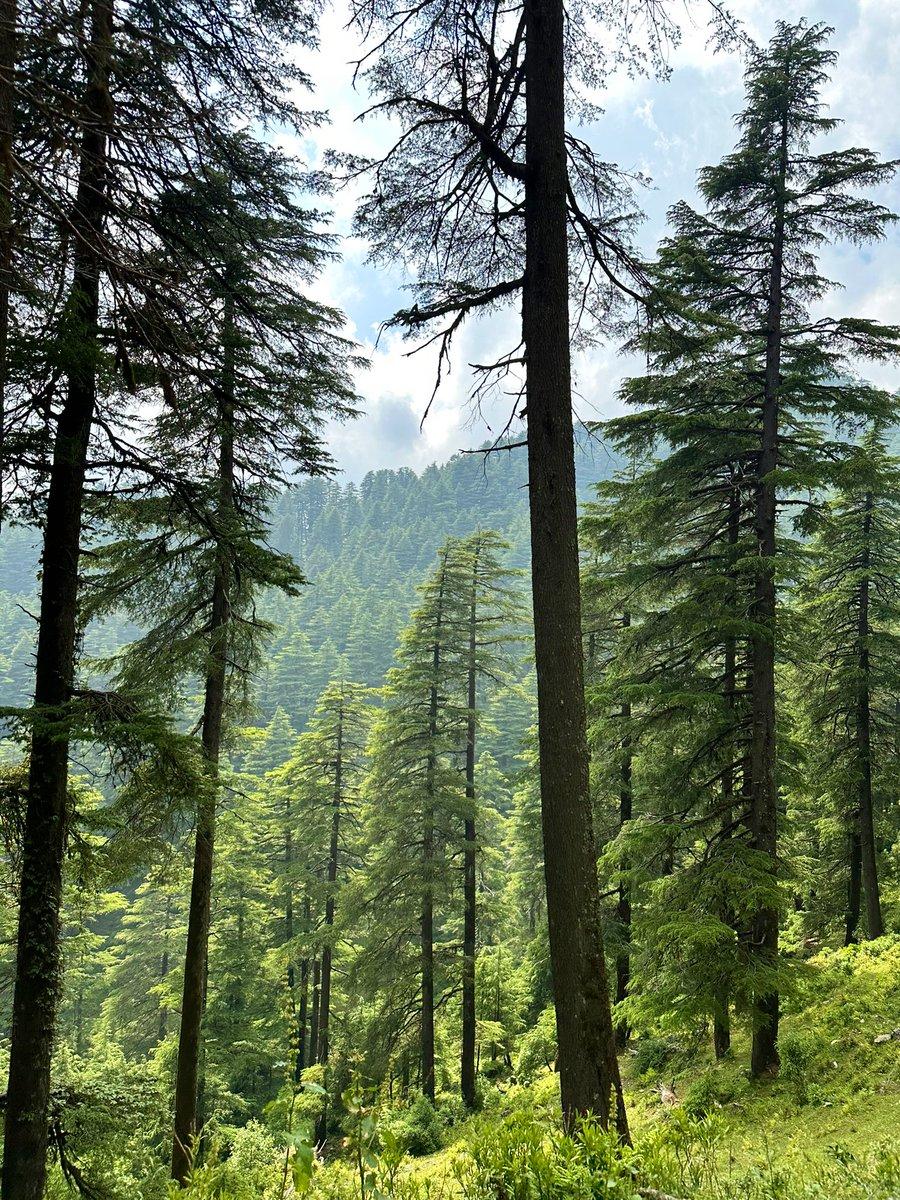
There are Western Ghats, forests, beaches, waterfalls, plantations, rivers, backwaters and hill stations.
Kerala’s green landscapes and backwaters are especially associated with nature tourism. Karnataka has forests and hill regions, while Tamil Nadu and Andhra Pradesh also contain coastal, hill and forest landscapes.
This variety allows tourists to choose between pilgrimage, adventure, relaxation, wildlife and cultural travel.
Kerala’s 2025 Economic Review reported that the state had 9,423 tourist accommodation units with 1,21,982 rooms as of August 31, 2025, showing the size of its tourism accommodation sector. (Kerala SPB)
Where Do Tourists Prefer to Stay?
There is no single national dataset showing that all South Indian tourists prefer hotels, resorts, homestays or particular types of accommodation.
In practice, the choice depends on the destination and purpose of travel.
Pilgrims may choose accommodation close to a temple. Families may prefer hotels or serviced accommodation. Nature travellers may choose resorts, homestays or eco-tourism properties. Business travellers often prefer city hotels.
Kerala, for example, has a substantial accommodation network, including hotels, resorts, homestays and other tourism facilities. (Kerala SPB)
Silk, Spices and Traditional Products
South India is also famous for traditional products.
Silk has a strong connection with Karnataka and Tamil Nadu. Mysuru silk and Kanchipuram silk are well-known examples.
Spices are strongly associated with Kerala and the Western Ghats. Pepper, cardamom, cinnamon and other spices have been important to the region’s trade and food culture for centuries.
Visitors also buy handicrafts, traditional clothing, coffee, spices, coconut products and regional food items.
These products give tourism another economic dimension because travellers often take a small part of the region’s culture back home.
How Educated Is the Region?
The Census 2011 literacy rates were approximately:
| State | Literacy rate, Census 2011 |
|---|---|
| Kerala | 93.9% |
| Tamil Nadu | 80.3% |
| Karnataka | 75.6% |
| Andhra Pradesh | 67.7% |
| Telangana | About 66.5% |
Using the five states’ 2011 populations as weights gives a combined literacy rate of roughly 76.3%.
These are literacy rates, not the percentage of people holding college degrees. Literacy and higher education are different measurements. (Census India)
What About Employment?
Employment should also be measured carefully.
The Periodic Labour Force Survey (PLFS) gives a Worker Population Ratio rather than simply saying “the percentage of employed people.” For 2023–24, the rural WPR under usual status (principal + subsidiary status) was 48.4% in Andhra Pradesh, 46.4% in Karnataka, 43.7% in Kerala, 50.7% in Tamil Nadu and 50.6% in Telangana. These figures are for the rural population and should not be confused with total employment rates. (Digital Sansad)
The PLFS also reports employment-related indicators separately for urban areas and by age, sex and education level. Therefore, saying that one entire state is simply “more employed” requires choosing a specific definition and population first. (Rural India Online)
Is South India Really More Disciplined or Better Governed?
This is where we should separate personal impressions from measurable facts.
A visitor may feel that a particular city or town is orderly, educated, clean or disciplined. Another visitor may have a completely different experience.
It would not be accurate to conclude from tourism or literacy data alone that the governments of all southern states are “better” or that their societies are uniformly more disciplined.
Governance can be studied through specific indicators such as education, healthcare, infrastructure, employment, public services, crime, finances, sanitation and delivery of government schemes.
Those indicators can differ significantly between states and even between districts within the same state.
So South India’s strengths should be discussed using evidence rather than turning a regional impression into a blanket conclusion.
Why Do People Enjoy Visiting South India?
The attraction is probably best understood as a combination of many things rather than one single reason.
A traveller may come for a temple and stay for the food.
Another may come for beaches and discover local history.
Someone else may visit for a business trip and later return with family for a holiday.
For many people, the combination of food + temples + history + nature + culture + hospitality + traditional products makes the journey memorable.
South India Is More Than a Tourist Destination
South India is also a living region where millions of people work, study, farm, run businesses and preserve their cultural traditions.
Its temples are places of worship, its historical monuments are part of India’s heritage, its farms produce food and spices, and its cities are important centres of technology, manufacturing, education and business.
Tourism is only one part of the picture.
Conclusion
South India has become an important destination for travellers because it offers many experiences in one region.
The official 2024 tourism data shows that the five major southern states recorded more than 1 billion domestic tourist visits, representing about 34.4% of India’s reported domestic tourist visits that year. That is a large tourism footprint, although it should not be interpreted as one billion different people or as a direct survey of people’s favourite destination. (Scribd)
From dosa and idli to temple prasadam, from silk and spices to beaches and forests, South India’s attraction comes from its variety.
Perhaps that is the biggest reason people keep returning: South India offers not just a place to visit, but many different experiences—food, faith, history, nature and culture—all within one broad region.
Image idea for the article: South Indian temple + dosa/idli + Kerala backwaters + Western Ghats + traditional silk and spices, arranged as one travel-and-food collage.